October 20 – 12:00 pm – 1:00 pm
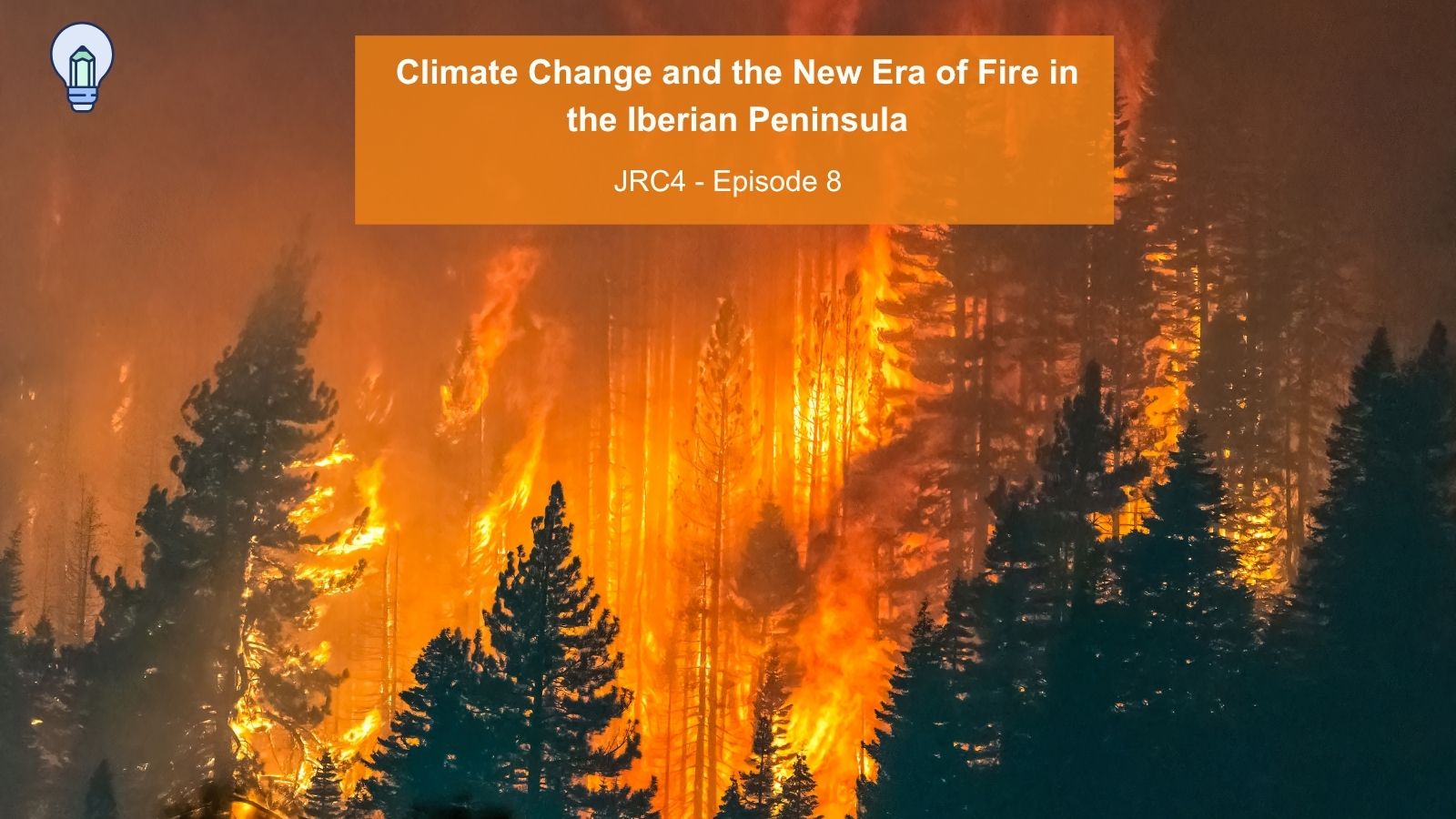
UNIgreen’s JRC4 – Biodiversity, Forestry, and Agroecology Webinar Series: Episode 8
This event, organized within the UNIgreen JRC4 Living Lab framework, brings together researchers, students, and forest practitioners to discuss aliens and flames – when fire ecology meets invasion ecology.
Thematic
This seminar explores Heat, Fuel Loads, and Landscapes in Transformation.
Climate change is significantly transforming the relationship between fire, vegetation, and the landscape on the Iberian Peninsula. Rising temperatures, more severe droughts, heat waves, and increasing water stress on vegetation are creating conditions that are increasingly conducive to high-intensity wildfires. Added to this is the accumulation of plant fuel resulting from rural depopulation, the loss of traditional agro-pastoral practices, and the progressive homogenization of the landscape. In this context, fire can no longer be understood solely as an isolated emergency, but rather as the result of a broader transformation of the climate and the landscape. Therefore, effective prevention requires a shift toward active landscape management, the restoration of mosaic landscape structures, the reduction of fuel continuity, and the adaptation of territorial strategies to a new ecological and climatic reality.
When?
On Tuesday, 20 Ocotber 2026, join us for an online event, from 12:00 to 13:00 CEST with expert speaker and engaging discussions.
Who should join?
Researchers, students, forest managers, and anyone curious about forest ecology and sustainability.
Speaker
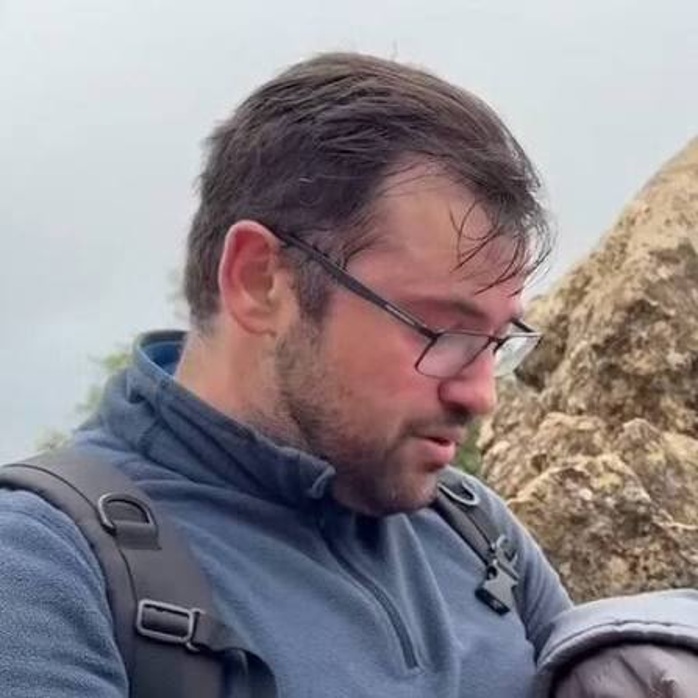
José Carlos Piñar
Spanish biologist, researcher, and university lecturer specializing in conservation biology at
University of Almería
Driven from an early age by a desire to understand how the natural world works, he discovered his passion for biology at university, a fascination that would ultimately shape his academic and professional career.
He earned his Bachelor’s degree in Biology from the University of Jaén in 2011, followed by a Master’s degree in the Management of Biological Resources in the Natural Environment in 2016. In 2023, he completed an internationally recognized PhD in Earth and Environmental Science and Technology. Since 2024, he has also worked as a lecturer at Universidad Internacional de la Empresa (UNIE).
Throughout his career, Piñar Fuentes has developed a strong international research profile. He has an H-index of 14 and has published 41 research articles in high-impact international journals indexed in the Journal Citation Reports’ Science Citation Index. He has also authored nine chapters in national and international books, presented 15 contributions at scientific conferences, and participated as a collaborating researcher in two R&D&I projects. He is currently a member of the RNM-344 Conservation Biology Research Group.
His research encompasses conservation biology, Andalusian flora and vegetation, climate change, experimental science education, species distribution and ecological niche modelling, landscape eco-restoration, and threatened flora.
Behind these achievements lies a profound personal vocation. Piñar Fuentes fell in love with biology from the very beginning, inspired by the possibility of discovering how our environment functions. The guidance of exceptional professors, mentors, and fellow researchers later allowed him to deepen his knowledge of botany and continue growing as a scientist. Today, he considers himself fortunate to work in the field he loves, maintaining the same curiosity and enthusiasm that inspired him as a child.
His scientific ambition is both intellectual and human: to communicate the excitement of science to others, inspire new generations, and continue conducting research that contributes even in a small but meaningful way to our collective understanding of the natural world.