July 6 – July 10
- Language: English (Level B2)
- Dates physical mobility: 6 to 10 July 2026
- Location: Warsaw University of Life Sciences & National and Landscape Parks (Poland)
- Dates virtual mobility: June 2026 – TBC (6 hours)
- Number of ECTS: 3 ECTS
- Maximum number of participants: 18
Target Participants
B.Sc. and M.Sc. students in animal science, biology, environmental science, ecology, forestry and related fields.
Participants work in international teams and prepare a species or habitat management plan as a final project.
Subject
The course focuses on European wildlife conservation, EU environmental policies, biodiversity management, invasive species control, and practical field methods such as species monitoring, GIS and data collection.
This is a unique course in which the core activities take place directly in the field, allowing students to gain hands-on experience in real conservation settings. It offers an exceptional opportunity to combine scientific knowledge with practical skills, teamwork and direct contact with European wildlife and conservation professionals.
Skills
- Identify major threats to European wildlife and biodiversity.
- Understand EU conservation policies and strategies (Birds Directive, Habitats Directive, Natura 2000, LIFE Programme).
- Explain ecological and ethical foundations of biodiversity management.
Knowledge
- Apply standard monitoring methods for species and habitats.
- Analyse case studies of conservation practices.
- Collaborate in multicultural teams.
Competences
- Communicate scientific knowledge to non-specialist audiences.
- Demonstrate ethical awareness in conservation.
- Engage in collaborative European initiatives.
Programme
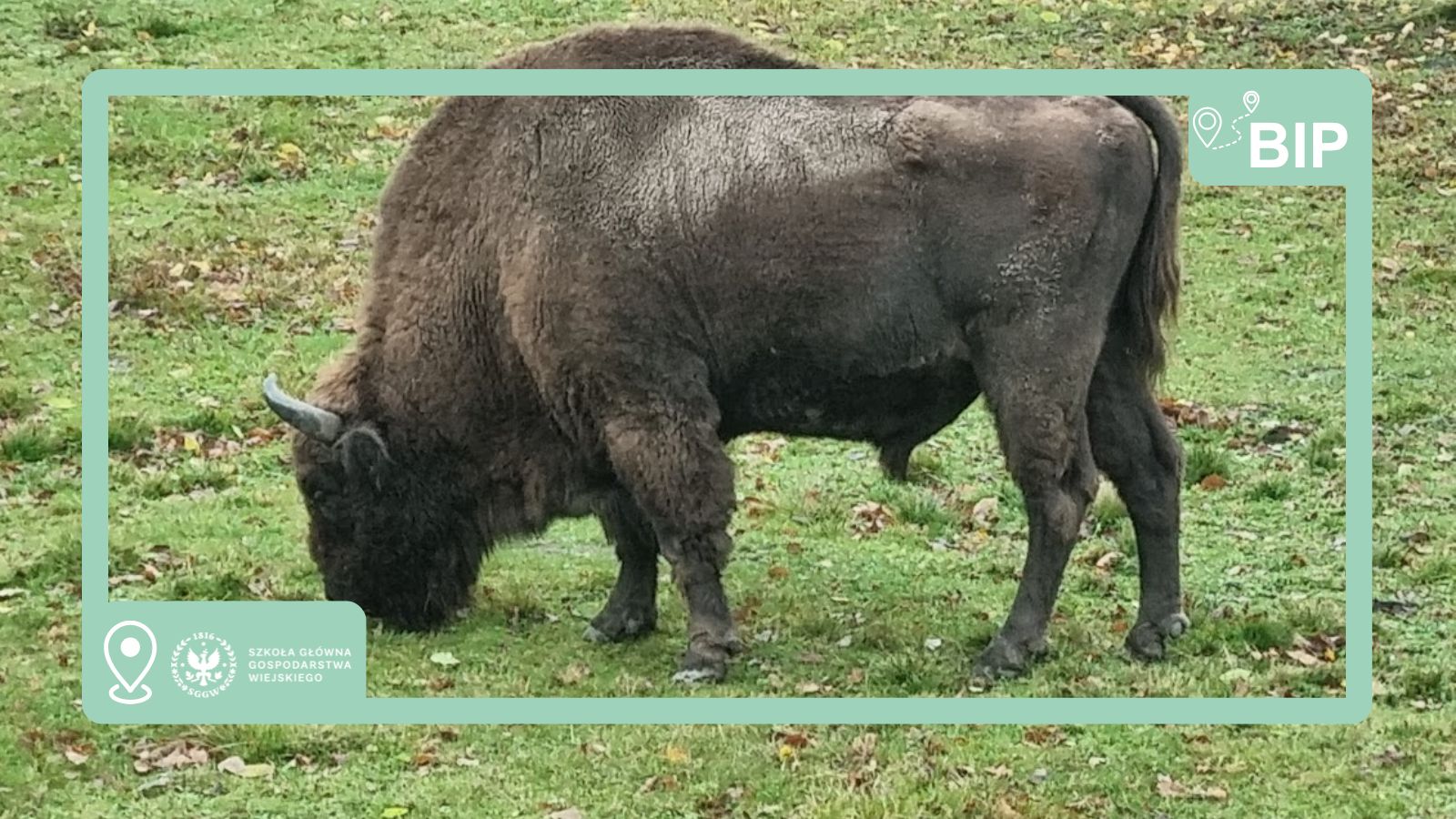
Field excursion (amphibians, reptiles, birds), endangered mammal conservation (e.g., European bison, bats, otter), conflict species (wolf, beaver, cormorant), practical data collection (transects, camera traps, GIS), final group presentations.
On the base on gained knowledge, students will prepare (team work) the management plan for the species or habitat (fictional scenario, generated and described by AI). The plan will be presented in front of the whole group and discussed by students and teachers.
Online Course
Introduction to conservation in Europe, EU legal frameworks, invasive alien species, ethical aspects of work with animals, preparation for fieldwork. Students work in groups to present examples from their countries – with ups and downs of specific actions.
Day 1
9:00 – 10:00
Registration of participants
10:00 – 12:00
Welcome session – introduction to BIP activities
12:00 – 13:00
Lunch
14:00 – 20:00
Bus transfer to Kampinoski National Park
15:00 – 16:00
Field trip presenting activities and results of the project “Protection and restoration of wetlands in “Puszcza Kampinoska” Natura 2000 site (LIFE 19/NAT/PL/000746)” – conservation of wetlands invertebrates: Leucorrhinia pectoralis, Maculinea teleius, Lycaena dispar, Graphoferus bilineatus, Vertigo angustior, Vertigo moulinsiana, Anisus vorticulus, and verterbrates: great crested newt, fire-bellied toad. Management of populations of invasive plant and animals species.
20:00
Come back to SGGW campus
Day 2
9:00 – 10:00
Bus transfer to Mazowiecki Landscape Park
10:00 – 12:00
Field trip “Active conservation of native fish, amphibians, birds and bats”
12:00 – 13:00
Outdoor Lunch
13:00 – 17:00
Field trip “Active conservation of native fish, amphibians, birds and bats” part 2
17:00 – 20:00
Campfire dinner with summary of the day discussion
20:00
Come back to SGGW campus
Day 3
8:00 – 12:00
Bus transfer to The Complex of Świętokrzyskie and Nadnidzie Landscape Parks – Nature Education Center in Umianowice
12:00 – 13:00
Lunch
13:00 – 18:00
Visit to Education Center facilities, field walks and sightseeing of the natural and cultural sites of the area
18:00 – 20:00
Dinner with summary of the day discussion
Day 4
9:00 – 12:00
Field trip presenting activities and results of the project “Life4Delta – Renaturalisation of inland delta of the river Nida”– conservation and management of hick shelled river mussel, lesser ramshorn snail, Desmoulin’s whorl snail, fire-bellied toad, crested newt and European pond turtle.
12:00 – 13:00
Lunch
18:00 – 20:00
Campfire dinner with summary of the day discussion
Day 5
8:00 – 12:00
Bus transfer to SGGW campus, Warsaw
12:00 – 13:00
Lunch
13:00 – 14:00
Summary of the BIP, presentation of certificates of participation
14:00
Closing of the course
How to apply?
The student’s home university may conduct an internal selection process for the BIP. Registration is possible only via the application form and must be completed after the participant has received confirmation from their home university of their eligibility to take part in the BIP.
For any questions or expressions of interest, you may contact:
- Academic questions: Krzysztof Klimaszewski ([email protected])
- Administrative Questions: Joanna Żach ([email protected])
Deadline for admission is 15 May 2026.