
-

UNIgreen Cluster at HEPL
Launching Interdisciplinary Dialogue Around “One Health”
HEPL, University-College of the Province of Liège (Belgium) hosted its first official UNIgreen Cluster event on April 17th, 2025, within the framework of the “Nourrir Liège” Festival. The event marked a significant milestone as the first cluster implemented in the UNIgreen Alliance, dedicated to fostering collaboration among academia, students, researchers, and civil society around sustainability themes.
Context and Objectives
The cluster was strategically organized around the theme of “One Health”, an integrated approach recognizing the interdependence of human, animal, and environmental health. The event capitalized on the timing of the annual “Nourrir Liège” Festival, which emphasizes local food systems and sustainable agronomy practices. By aligning with a broader public initiative, HEPL aimed to foster real-world dialogue and synergies.

This initiative was part of UNIgreen’s WP6, focused on the “Knowledge Triangle program”, which connects education, research, and industry. HEPL’s goal was to test a cluster format that could serve as a model for future UNIgreen activities, while exploring how the One Health paradigm could inform both research initiatives and curricular development.
Participants and Format
The roundtable was held at the Erasmus House in Liège and gathered 16 engaged participants, including:
- Two department directors (Health and Agronomy)
- Five HEPL academic staff
- Two students in health sciences
- Seven external stakeholders: representatives from the B2Health cluster (organisation that aims to facilitate coordination between the various players in the life sciences ecosystem in Liège), Celabor (a multi-skilled scientific and technical partner to support companies in the field of agri-food, the environment, packaging, paper/cardboard and textiles), Belgian Fairtrade Federation, EFDD (Education and Training for Sustainable Development), and independent experts in environmental health and veterinary sciences.
The event began with presentations introducing the UNIgreen Alliance, WP6 goals, and the cluster concept. This was followed by a showcase of ongoing research and thesis projects by students and faculty of the Health Department, specifically in dietetics—an area naturally connected to One Health.
Discussion Highlights
The roundtable quickly evolved into a lively, solution-oriented exchange. Key topics included:
- How to encourage synergy between academia, industry, and civil actors
- Challenges in research: lack of infrastructure, funding, and institutional culture
- Integrating One Health and sustainability more structurally into curricula
- Intellectual property, ownership of student thesis results, and visibility
- The need for interdisciplinary language and mutual understanding between sectors
Participants shared inspiring examples of research and mobility projects, including collaborations with African partners, thesis work on sustainable food practices, and reflections on green transition challenges in both the global North and South.
Crucially, several participants called for concrete next steps: launching interdisciplinary projects, creating One Health-related study tracks, and developing applied research relevant to regional food ecosystems. The notion of moving “from discussion to implementation” emerged as a unifying theme.
Impact and Next Steps
Feedback was overwhelmingly positive. All participants expressed interest in continuing the dialogue, and a memorandum of understanding was circulated following the event. The cluster format was appreciated for its openness, transversality, and ability to bring diverse actors into constructive conversation.

The HEPL cluster serves as a pilot within UNIgreen, demonstrating how local institutional initiatives can feed into broader European collaboration. It directly contributes to WP6’s KPIs in terms of stakeholder engagement, knowledge exchange, and curricular innovation.
Looking forward, HEPL plans to:
- Renew and specialize future clusters (e.g., focused on curriculum reform or applied research)
- Leverage Job Days or existing improvement committees as UNIgreen-compatible events
- Involve more students and industry representatives in discussions
- Strengthen alignment with the UNIgreen Green Transition Strategy
Conclusion
HEPL’s first UNIgreen Cluster illustrates the potential of the Knowledge Triangle when anchored in local context and sustainability-driven goals. The success of this event lays the foundation for continued engagement, and it positions HEPL as a proactive contributor within the UNIgreen Alliance, committed to building bridges between knowledge, practice, and purpose.
-
UNIgreen Day Celebrations
As part of the UNIgreen Day, which is celebrated on the 17th of February, the UNIgreen Alliance is organising a set of events to bring The Green European University closer its students and the Academic Communities.
These are some of the initiatives taking place:
23rd of February:
- The Polytechnic University of Coimbra is promoting an information session on UNIgreen aiming students on 23rd of February at the Agricultural School (ESAC). The event is part of ESAC’s Courses Week, organised by ESAC student association from 21st to 24th February, a week of lectures and workshops with various guests who will address topics related to the courses taught at ESAC, as well as promoting fun and educational information sessions, with the intention of raising awareness among the Agrarian community.
26th of February:
- The University of Almería has designed a programme of activities for students of all levels. The day will begin with the planting of an ash tree on campus and revealing its nameplate. This will be followed by a workshop on “green roofs” in which students will be able to make a green roof tile to take home, while finding out about the opportunities they will have within the framework of UNIgreen. Finally, students will also be able to participate in a contest on circular economy.
27th of February:
- The focus of the UNIgreen Day celebrations at the Agricultural University of Plovdiv will be climate neutrality and opportunities to reduce carbon emissions. During the discussion forum, the students and the stakeholders will get acquainted with various activities for reducing the carbon footprint and the national policies related to nature-based solutions. The participants will gain valuable knowledge of best practices from different countries.
1st of March
- UNIMORE will meet students at the Life Science Department of a programme of presentations and masterclasses. More information: https://www.unimore.it/unigreen.
- Sup’Biotech will carry out a planting action in collaboration with Biocampus, the ecological association for Sup’Biotech students. This joint action will result in the delivery of about 200 plants, which the students will plant and take back to their homes. At the same time, it will be an opportunity to promote the opportunities that the UNIgreen Alliance offers.
- The Agricultural University of Iceland will host an information booth by the cantina in Hvanneyri campus over the lunch break where students and staff can attend a little DiY planting project. Each participant will get to take their product home and watch the UNIgreen plant grow at home. Local UNIgreen staff members as well as student ambassadors will be present.
-
UNIgreen Erasmus+ BIP at UAL: plant fertility
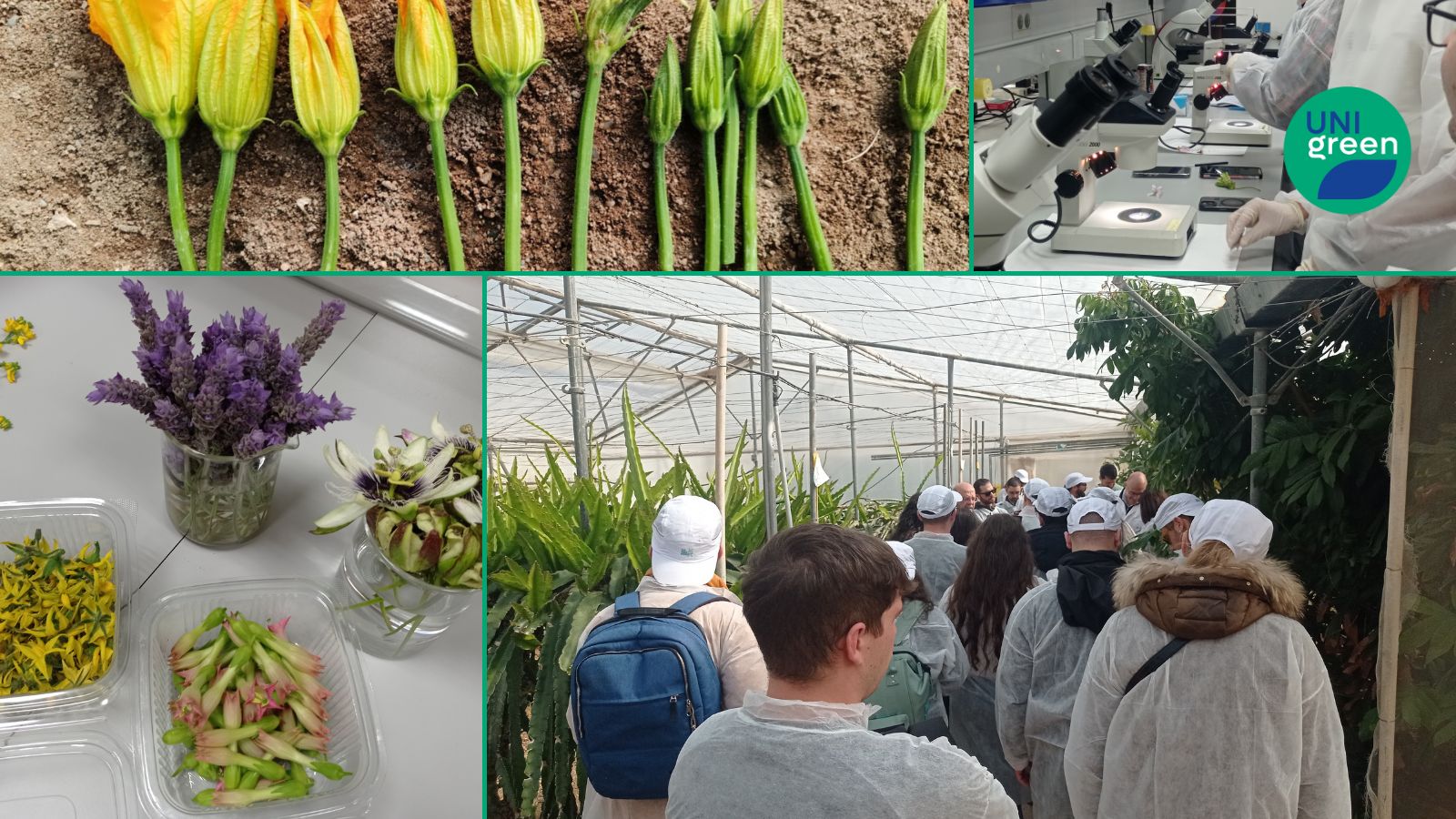
A Erasmus+ BIP UNIgreen program at the University of Almeria trained for a week a group of students from 6 foreign universities in the assessment of fertility of cultivated plants.
The University of Almeria (UAL) organized a one-week intensive course on the assessment of floral fertility, entitled “From Flower to Fruit: Methods and Techniques for Assessing Floral Fertility”, from February 3 to 7.
The program, coordinated by Professor Julián Cuevas González, full professor Virginia Pinillos Villatoro and postdoctoral researcher Irene Salinas Romero, addressed the problem of lack of fruiting in cultivated plants, especially in protected environments where pollinator access is limited, as well as the climatic conditions that can affect plant fertility.
Participants were undergraduate, masters and PhD students in Agronomy, Botany, Plant Ecology, Biology, Environmental Sciences and Forestry from McMaster University (Canada), Alexandru Ioan Cuza University of Iasi (Romania), the University of Agronomic Sciences and Veterinary Medicine Bucharest (Romania), the Warsaw University of Life Sciences (Poland), the Polytechnic of Coimbra (Portugal) and the Università Degli Studi di Modena (Italy), the latter three being members of the UNIgreen European University Alliance coordinated by the UAL.
The main objective of the course was to train them in the fundamentals and methodology for assessing reproductive success and failure in cultivated plants, with a focus on the measurement of male (pollen) and female (gynoecium) fertility; on the measurement of floral attractiveness and rewards for pollinating insects, as well as their effect on insects; and on the assessment of reproductive success by measuring fertilization levels and initial and final fruit and seed set, as well as the analysis of fruit and seed abortion.
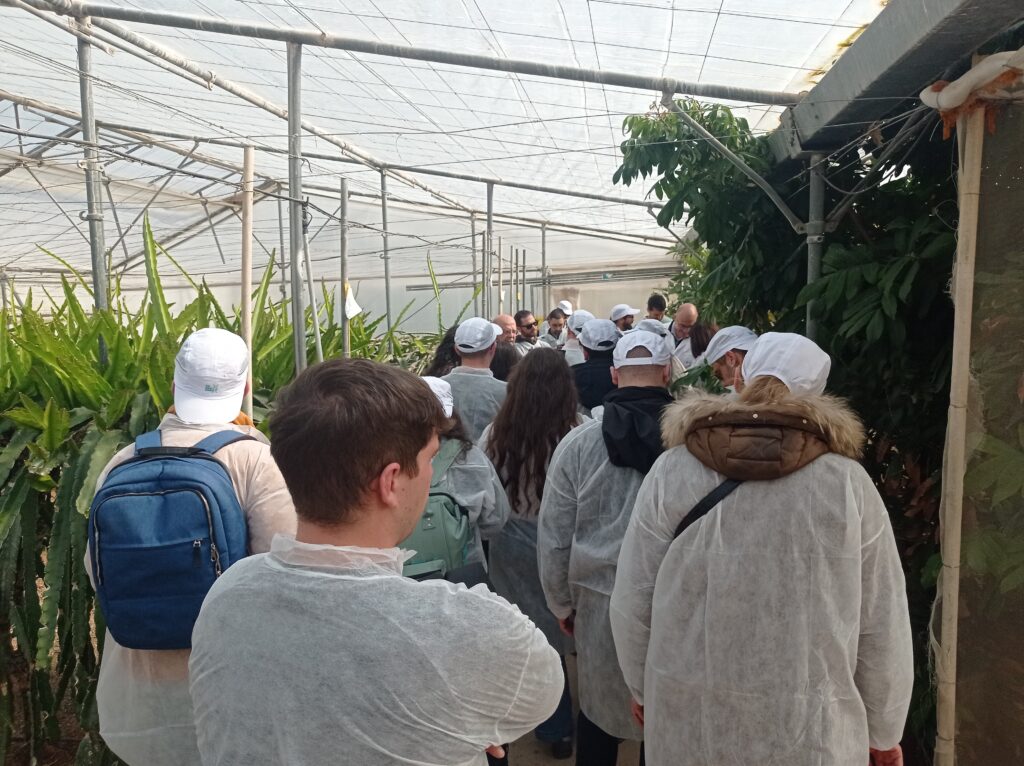
The course combined theoretical activities, online collaborative work and practical sessions in the laboratories of the UAL and visits to companies in the sector, such as Agrobio.
-
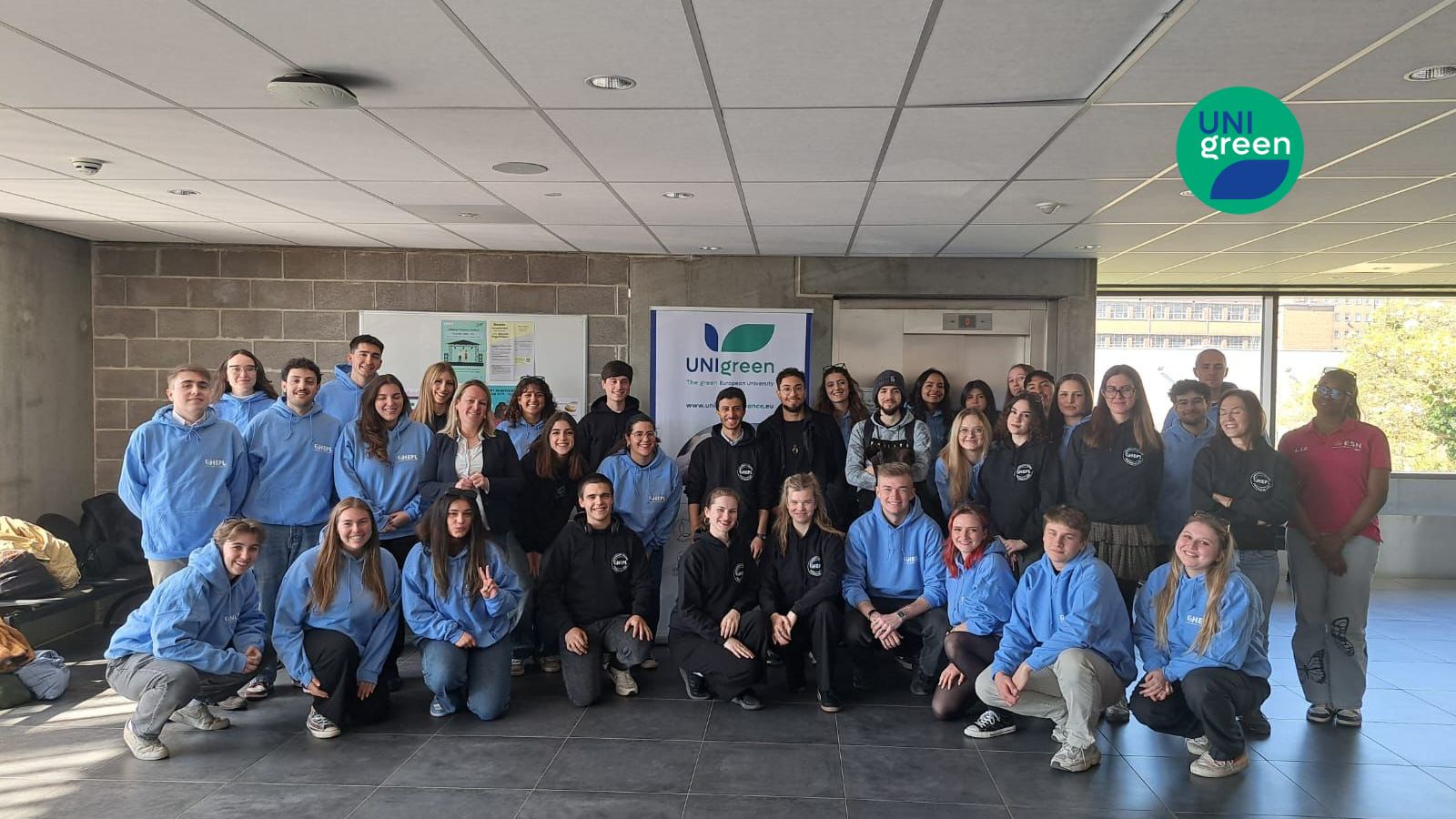
UNIgreen Festival 2025 in Liège
From 7 to 11 April 2025, the College-University of the Province of Liège (HEPL) proudly hosted the 2025 edition of the UNIgreen Festival, welcoming students from across the Alliance for a week full of learning, exchange, and celebration.
After a previous edition in Warsaw (SGGW), the festival found a new home in Belgium, combined with a Blended Intensive Programme (BIP), reaffirming UNIgreen’s commitment to fostering intercultural dialogue and student involvement.
A Festival to Celebrate Diversity and Inclusion
Centered on the themes of interculturality, diversity, and inclusion, the festival gathered around 40 students from each UNIgreen institution. The week offered them a platform to discuss their role within the Alliance, share experiences, and explore how UNIgreen can evolve with their input.
Through a dynamic program of interactive workshops, powerful conferences, cultural events, and networking opportunities, the festival created a safe and inspiring space for expression and connection.

“It was more than just an academic program, it was a week of emotion, discovery, and unforgettable encounter.”
A Rich and Engaging Program
From day one, students were immersed in a variety of activities designed to combine learning and fun:
- Intercultural icebreaker and treasure hunt through Liège
- Conferences on disability, LGBTQ+ issues, and gender identity
- A visit to HEPL’s La Reid campus and local cheese tasting
- The festive and inclusive “HEPL’s Got Talent” concert
- A cultural walk through the iconic hills « Les coteaux » of Liège
Each activity was designed to encourage openness, cultural awareness, and meaningful interaction among participants.
One of the key outcomes of the festival was the growing student desire to be more involved in UNIgreen’s future. They expressed interest in:
- More cultural activities and city discovery
- Co-organizing sessions and events
- A student-led UNIgreen association
- Enhanced visibility of UNIgreen through creative and localized communication
These insights will help shape more inclusive, engaging, and student-driven initiatives across the Alliance.
The 2025 UNIgreen Festival was more than a gathering, it was a powerful reminder of the importance of student voices in building a more inclusive, connected, and dynamic European university network.
With meaningful discussions, strong friendships, and shared experiences, the Liège edition set a new standard for what student-centered international events can be.
-

UNIgreen has adopted a new Internationalisation Strategy
UNIgreen has adopted a new Internationalisation Strategy that will guide our Alliance in fulfilling our common vision.
For the academic community, it is natural to have many links abroad and that science crosses national horizons. The standalone internationalisation strategy of UNIgreen aims to help develop a seamless internationalisation, develop the Alliance as such and spread its good name within and beyond the borders of the European Union.
Internationalisation is not a separate goal but a fundamental characteristic of UNIgreen. It permeates every aspect of our activities, making our campuses vibrant, dynamic, and globally engaged.
To achieve our vision, five strategic objectives have been defined:
- Well-focused global engagement of the UNIgreen Alliance.
- Strengthening and increasing mobility within the Alliance.
- UNIgreen International Alumni network.
- Unified international marketing /communication strategy and promotion of the Alliance.
- More welcoming environment for international students and staff.
-
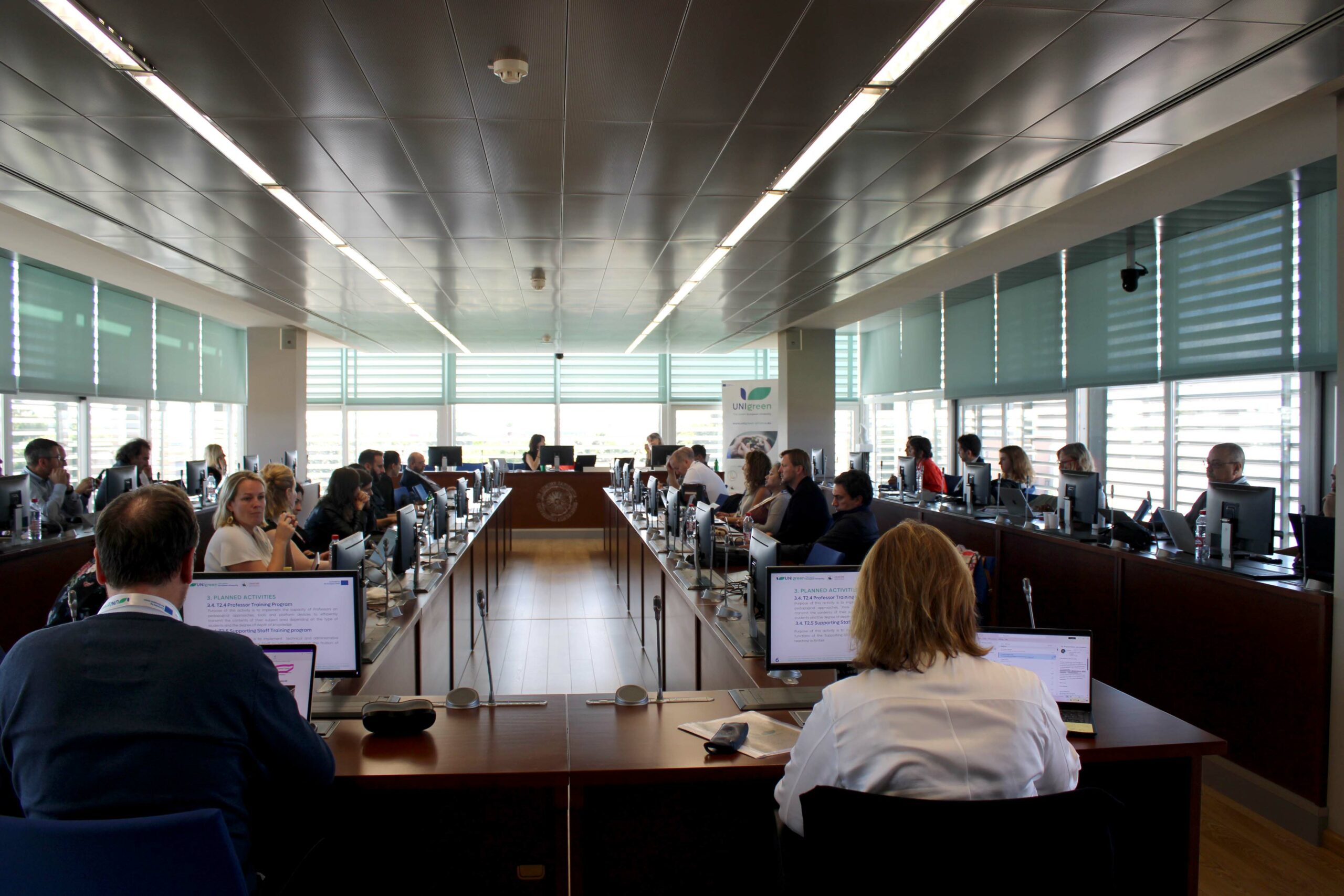
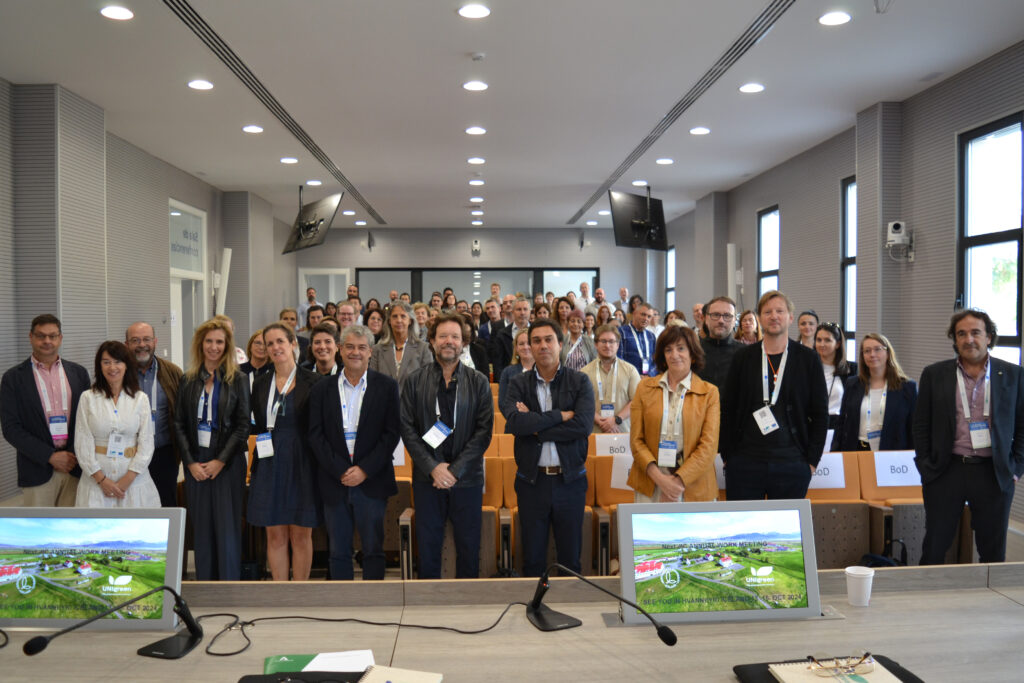
UNIgreen has reinforced its Alliance and strengthened its foundations at UAL
The first Joint International Centre Working Meeting of UNIgreen has ended after two and a half days of intense work, meetings, debate, and personal relationships among more than 100 representatives of the eight institutions that make up the Alliance. The great effort had its reward since the Alliance has made significant progress in the objectives of UNIgreen.
In addition to the meetings of the nine work packages, the Board of Directors and the Management Panel (the Alliance’s operational body) met. On the third and final day, the participants held inter-working group meetings to deal with cross-cutting issues that jointly affect various areas of the Alliance. They established joint action plans at these meetings and defined how each work package could contribute to different actions and deliverables.
The acting Rector of UAL, Carmelo Rodríguez, thanked the participants for the great effort in this crucial UNIgreen meeting, which has substantially boosted its development. Furthermore, he has confirmed that he will maintain his connection with the Alliance even after he completes his term as the Rector of the University of Almeria.
Tomás Lorenzana, general coordinator of UNIgreen, The green European University, has presented the general conclusions to all attendees and thanked them for their willingness and good work. “It has been a great opportunity to see each other in person and to discuss and progress in achieving our objectives. I hope that we all got a real idea of the enormous dimension of our Alliance and the progress we have achieved in these two and a half days here in Almeria. Of course, there are still many years of work to come”.
He also pointed out the importance of this event: “Until now, each WP has focused on its area of expertise. This event helped everyone to realise and be aware of the work of each work package (WP) since almost all of them are interrelated and have joint issues that we must explore. “
María Fernanda Rodríguez, responsible for European Projects at UAL and technical coordinator of UNIgreen, emphasised that “Overall, the Alliance is moving in the right direction with its agenda. Although some work packages’ schedules require adjustments, the different units, coordinators, and co-coordinators manage them efficiently.
She has also indicated that “all the annual work plans, which are the main planning instruments of the units, are almost ready. During our first meeting, we established a foundation of understanding that work packages are not isolated compartments. Often, activities overlap and require coordination with other work packages. By realising this, we can collaborate more efficiently and effectively. That’s why we believe understanding these interrelationships will increase awareness of the transforming process our institutions are experiencing.”
This first annual in-person meeting tested the Alliance functionality and the Alliance announced that the 2nd Joint International Centre Working Meeting will take place from 13th to 16th of October 2024 at the Agricultural University of Iceland.
-
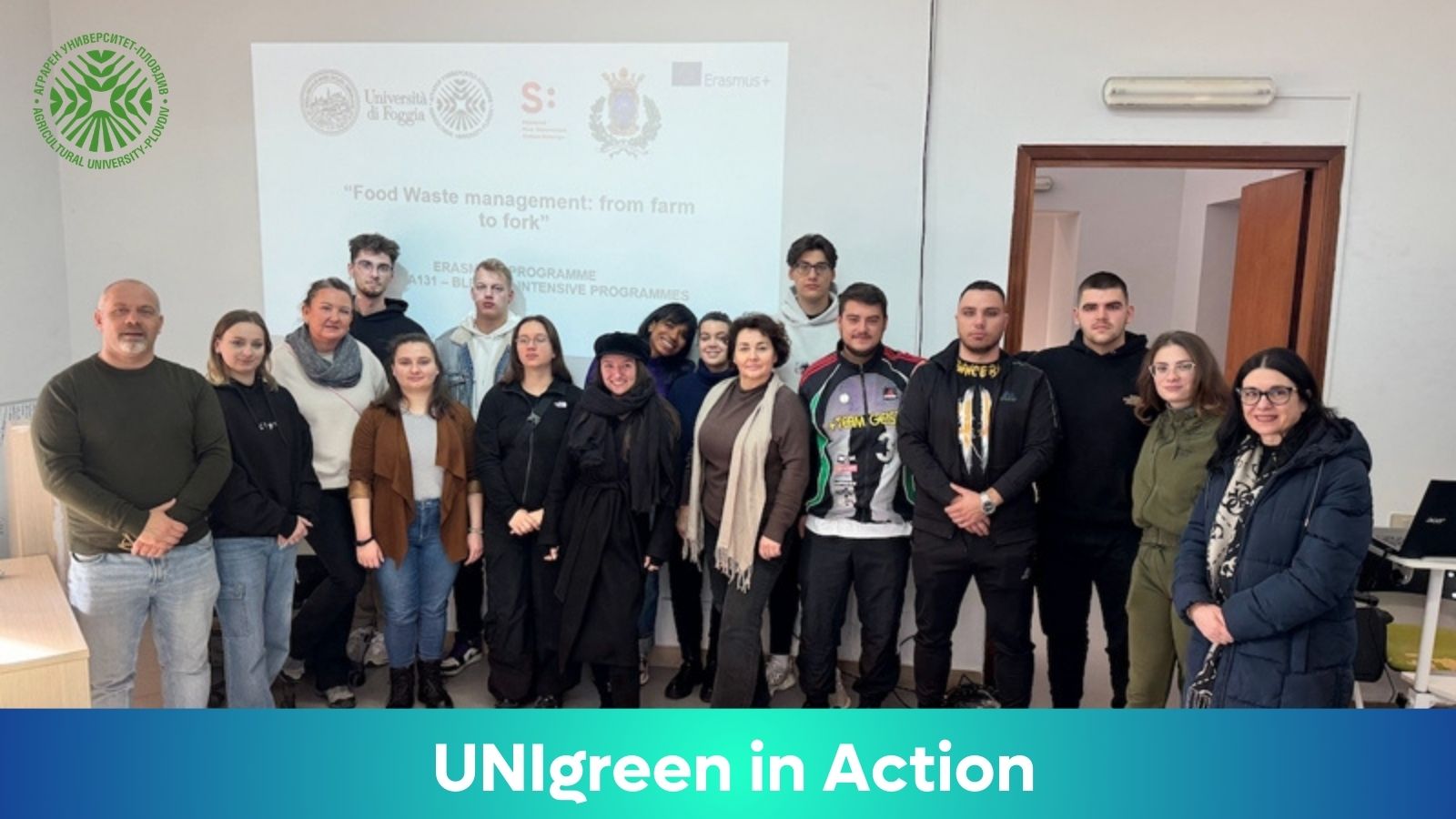
UNIgreen in Action at AUP
Within the UNIgreen Alliance, sustainability, inclusion, and innovation are translated into practice through experiential learning, interdisciplinary collaboration, and strong links with local communities.
This approach was clearly demonstrated through the participation of students from the Plant Protection and Ecology and Environmental Protection programmes in the Erasmus+ Blended Intensive Programme (BIP) “Food Waste Management: From Farm to Fork.”
The participating students Antonio Georgiev, Viktor Karabadzhakov, Nedelina Koeva, Nikolay Monev, and Ivana Lazarova has worked on concrete challenges related to food loss prevention, sustainable agriculture, and responsible consumption.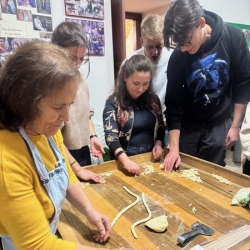
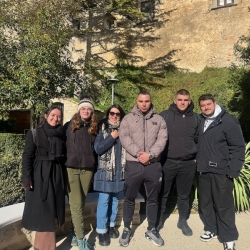
The programe was organised by University of Foggia, in partnership with Stefan Batory State University of Skierniewice and Agricultural University-Plovdiv.
Academic staff played an active role, Assoc. Prof. Anna Karova, gave lectures on “Agroecological solutions and climate-smart practices to prevent food losses,” linking scientific research with practical application.
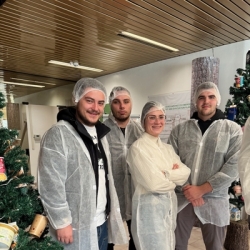
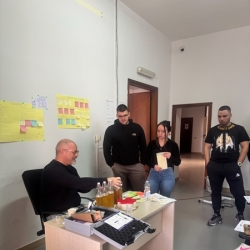
The on-site phase, held from 9 to 13 January 2026 in Accadia, Italy, embodied UNIgreen’s hands-on learning model. Students collaborated in international teams, participated in applied workshops, visited local farms and enterprises, engaged with food producers, and cooked using local products. These activities connected academic knowledge with real-life sustainability practices, while fostering intercultural exchange and social inclusion.
By combining research-based teaching, student engagement, and community interaction, this initiative reflects the UNIgreen Alliance’s commitment to educating responsible professionals and co-creating sustainable solutions. The successful cooperation also led to the planning of a future Erasmus+ BIP to be hosted in Plovdiv, further strengthening the alliance and its shared mission.”
-
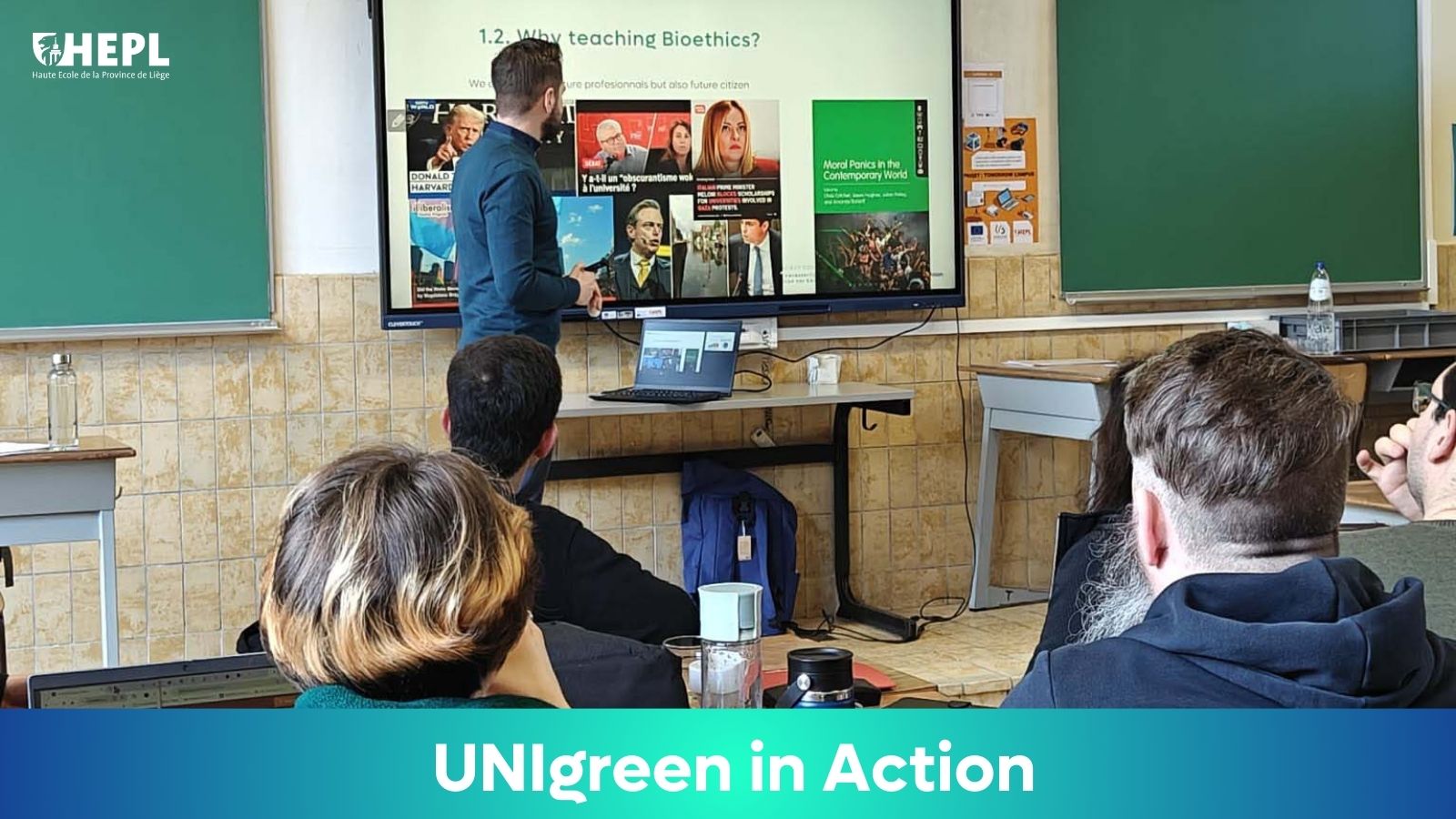
UNIgreen in Action at HEPL
Over five inspiring days, teachers from UNIgreen and partner institutions across Europe came together for an intensive learning experience dedicated to “Designing a Sustainable and Responsible Education Program”. The event created a vibrant space for exchange, where participants shared insights from their own institutions while exploring innovative approaches to teaching and learning.
Through interactive workshops and collaborative discussions, teachers engaged with key themes including project-based learning and bioethics, design thinking methodologies, diversity, and the understanding of fundamental human needs. The program emphasized hands-on practice, enabling participants to experiment, reflect, and co-create ideas in real time.
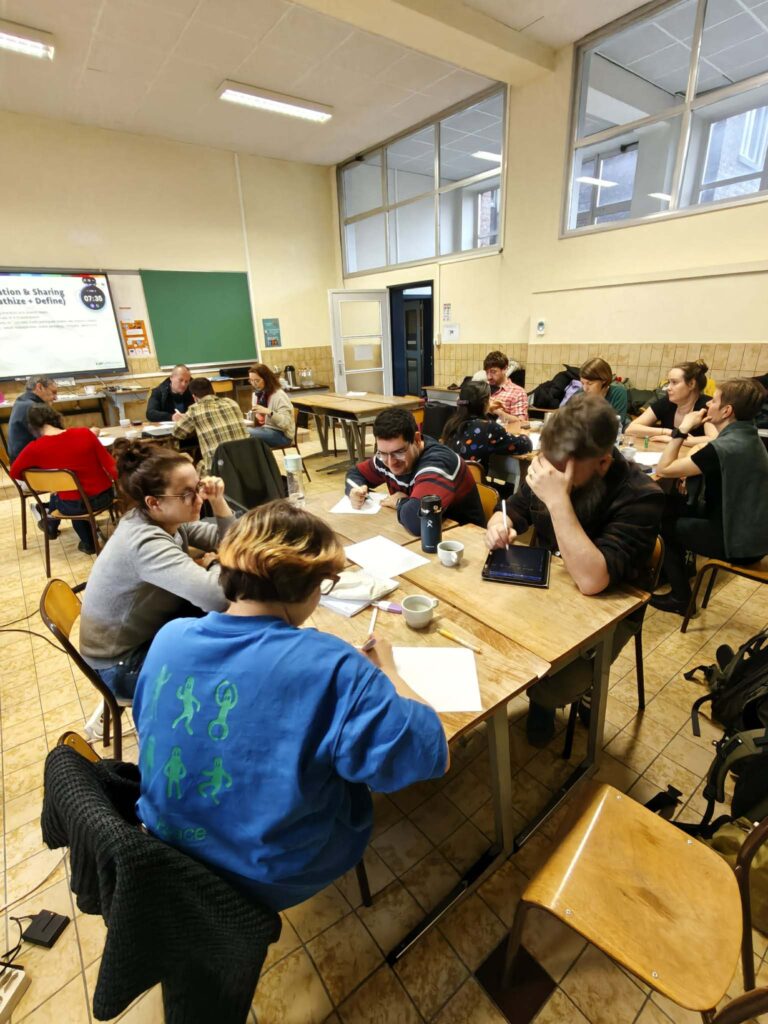
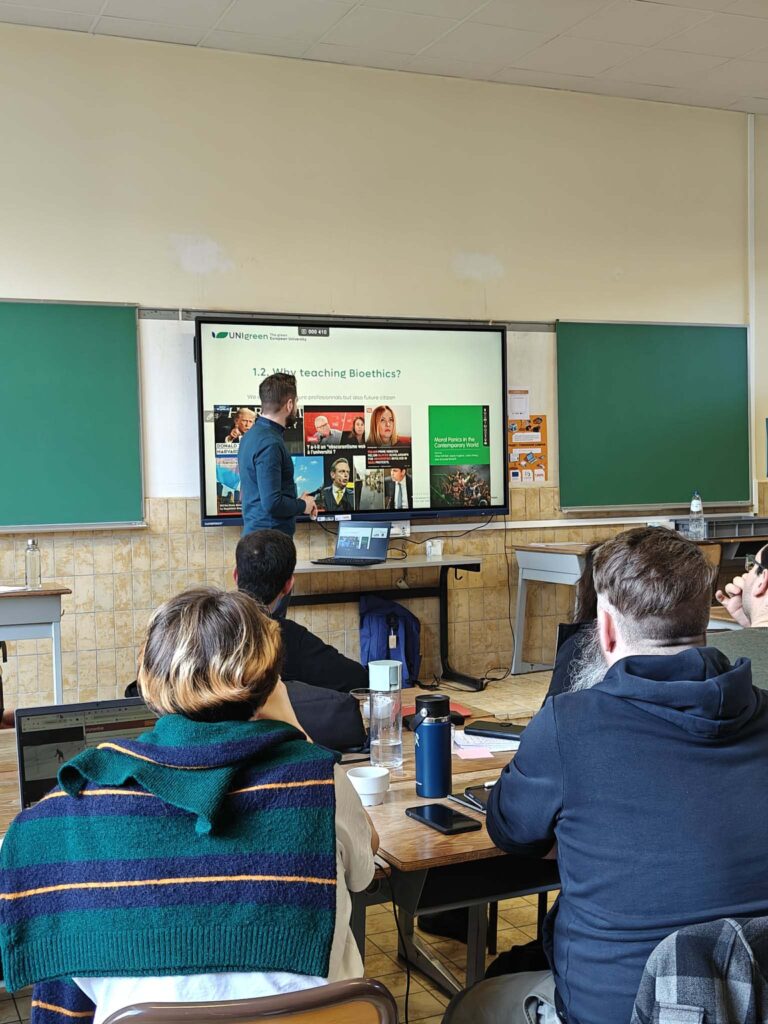
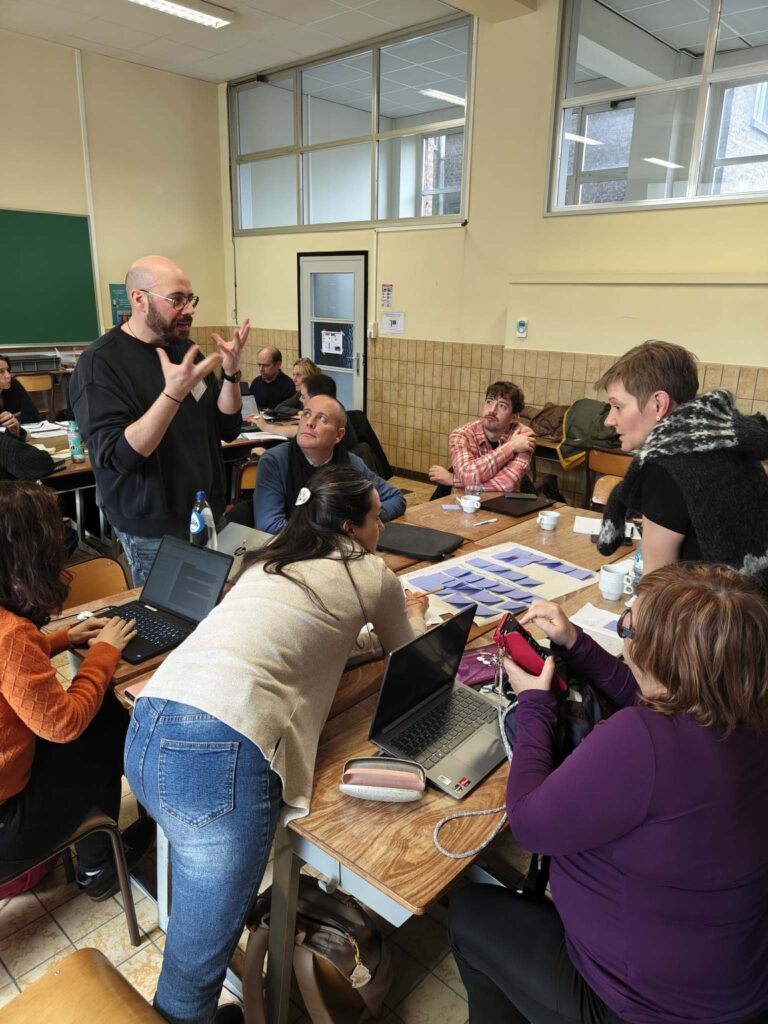
More than a training, the event served as a catalyst for transformation. Participants left equipped with concrete tools, fresh perspectives, and renewed motivation to integrate sustainability and responsibility into their curricula. By blending theory with practice and dialogue with experimentation, this week empowered teachers to become active designers of meaningful learning environments for their students.
This project was created by UNIgreen members at HEPL but also teachers and co-workers involved in sustainable projects, such as in agronomy or biochemistry. Their objective was not only to teach people something but also improve their own expertise with new inputs from different backgrounds. This initiative fits perfectly with UNIgreen’s commitment to sustainability and diversity.
-
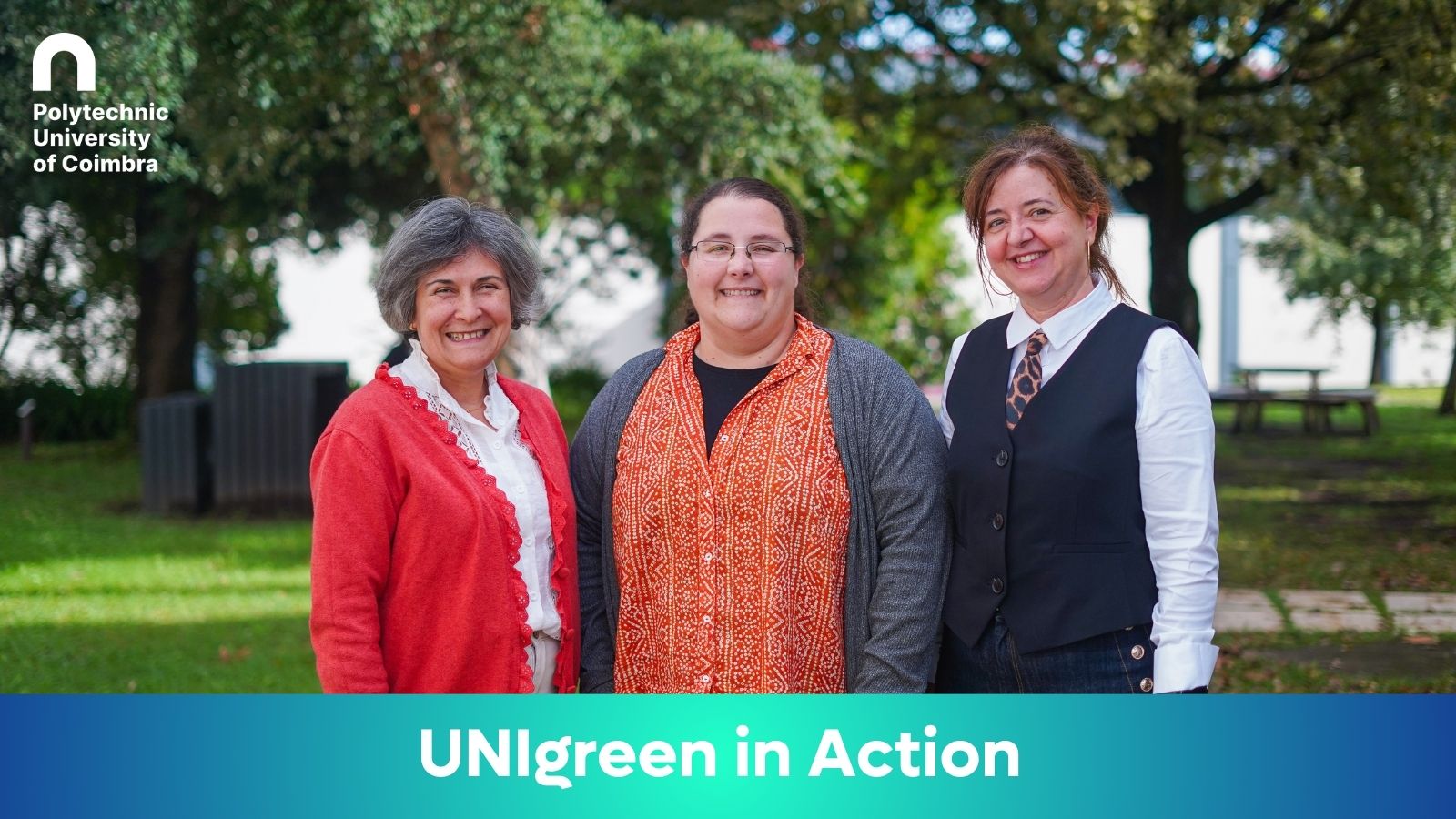
UNIgreen in Action at the Polytechnic University of Coimbra: BioComp_2.0
Turning Waste into Sustainable Opportunity
The BioComp_2.0 project was born with a clear mission: to transform an environmental challenge into a valuable resource. By harnessing the potential of water hyacinth, an invasive species threatening Portuguese ecosystems together with agricultural, forestry, and agro-industrial by-products, the initiative developed innovative solutions for sustainable fertilizer production.
This co-promoted R&D project brought together researchers and experts in agriculture and sustainability, including “Colina Generosa” company and academic partners such as the School of Agriculture of the Polytechnic University of Coimbra and the Polytechnic University of Bragança.
Key achievements include:
- Efficient control of the invasive species;
- Development of high-value compost products;
- Optimization of underused raw material blends;
- And the creation of an integrated circular economy model for the Coimbra region.
Building on the success of BioComp_2.0, the BioComp_3.0 project takes this vision to the next level. The new phase focuses on the industrial-scale valorization of water hyacinth waste, the development of digital decision-support tools, and the implementation of a traceability system for compost production, strengthening the commitment to circular economy principles and agricultural sustainability.
These projects contribute to the development of scientific knowledge and innovative solutions in the fields of organic material valorization, composting techniques, and circular economy, addressing community needs in sustainable agriculture, biotechnology, and environmental science, key areas for UNIgreen’s green innovation strategies.
-
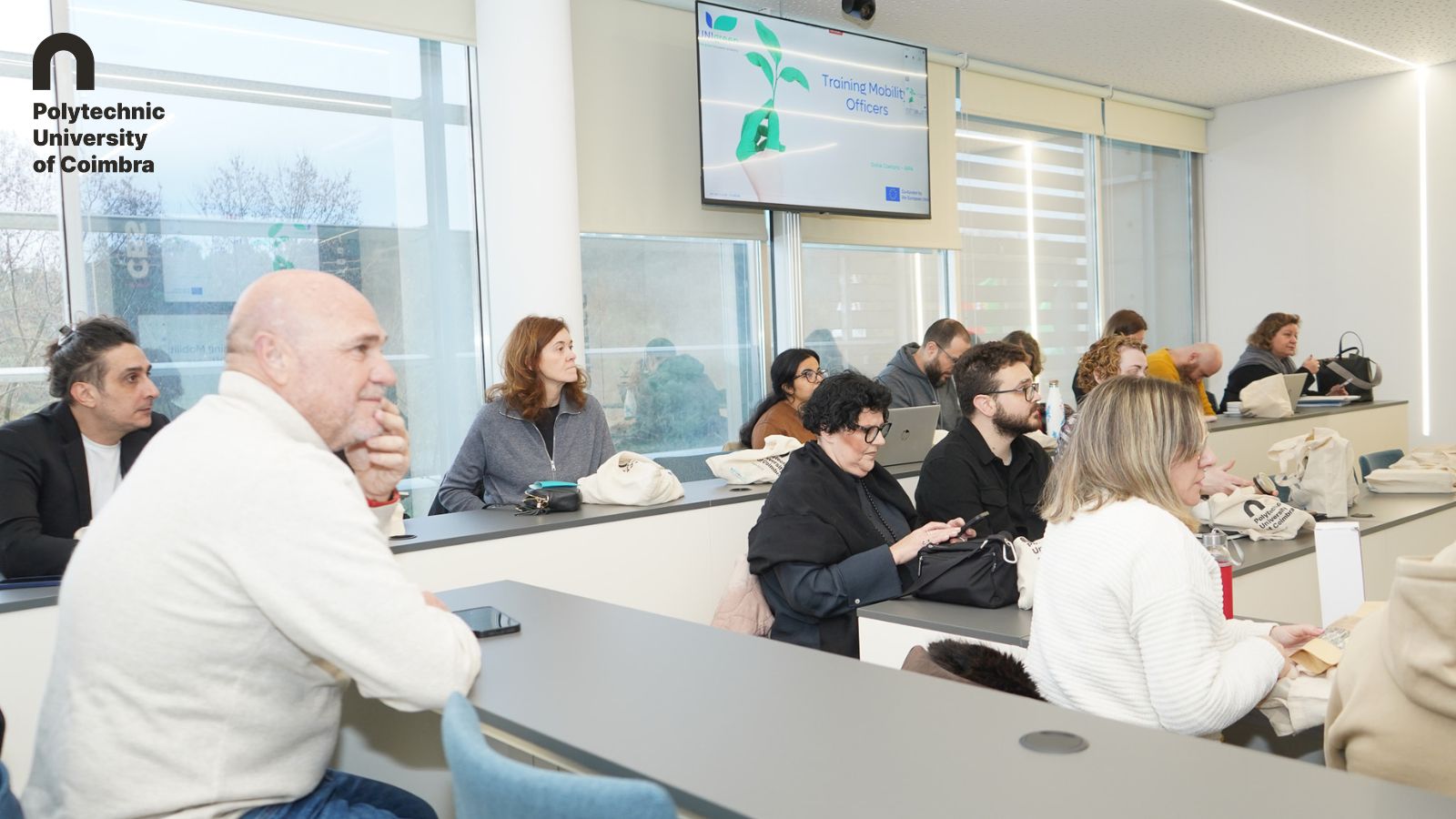
UNIgreen Mobility Officers strengthened ties in PUC
On 3 February 2026, the 2nd Training Workshop for Mobility Officers of Work Package 4 (Mobility) within UNIgreen took place at the Polytechnic University of Coimbra. The workshop was held in the context of the UNIgreen Summit & International Conference, bringing together representatives from all partner institutions to advance cooperation within the Alliance.
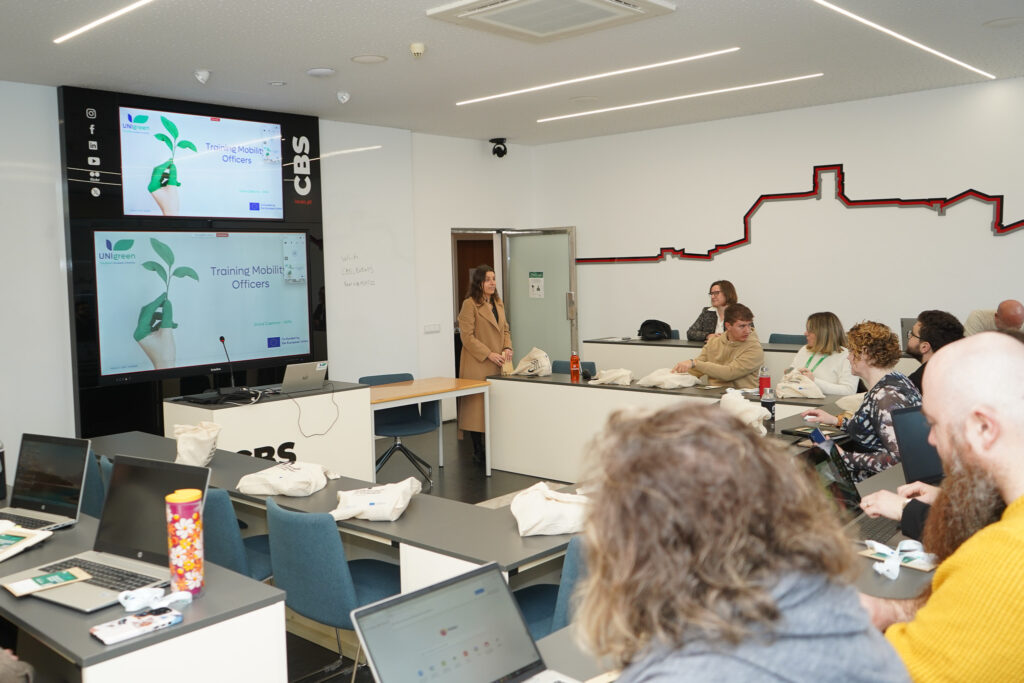
The workshop gathered international mobility officers and administrative staff from UNIgreen partner universities, aiming to strengthen professional capacities, enhance coordination in mobility management, and promote the exchange of best practices. Key topics included student and staff mobility procedures, operational and administrative challenges, and the alignment of WP4 activities with the strategic objectives of the Alliance. The programme combined presentations with interactive discussions, encouraging peer learning and collaborative problem-solving.
A dedicated part of the workshop was devoted to presentations by other European Universities alliances, namely EUTOPIA and ARQUS, both of which include Portuguese partner institutions. These sessions provided valuable external perspectives on mobility governance, organisational models and innovative practices, fostering inter-alliance dialogue and mutual learning.
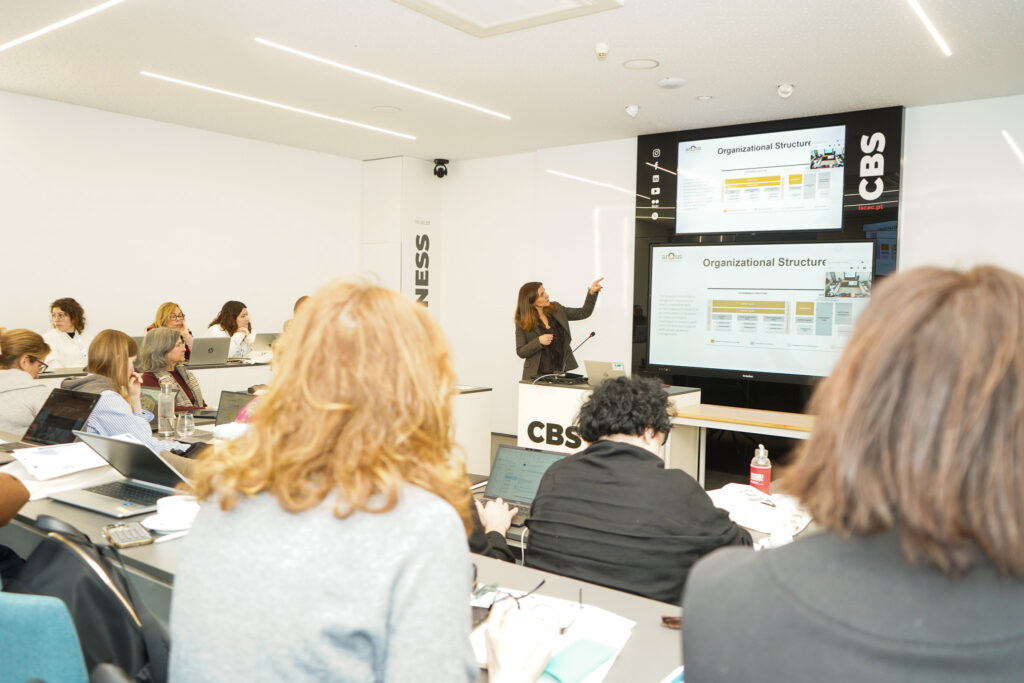
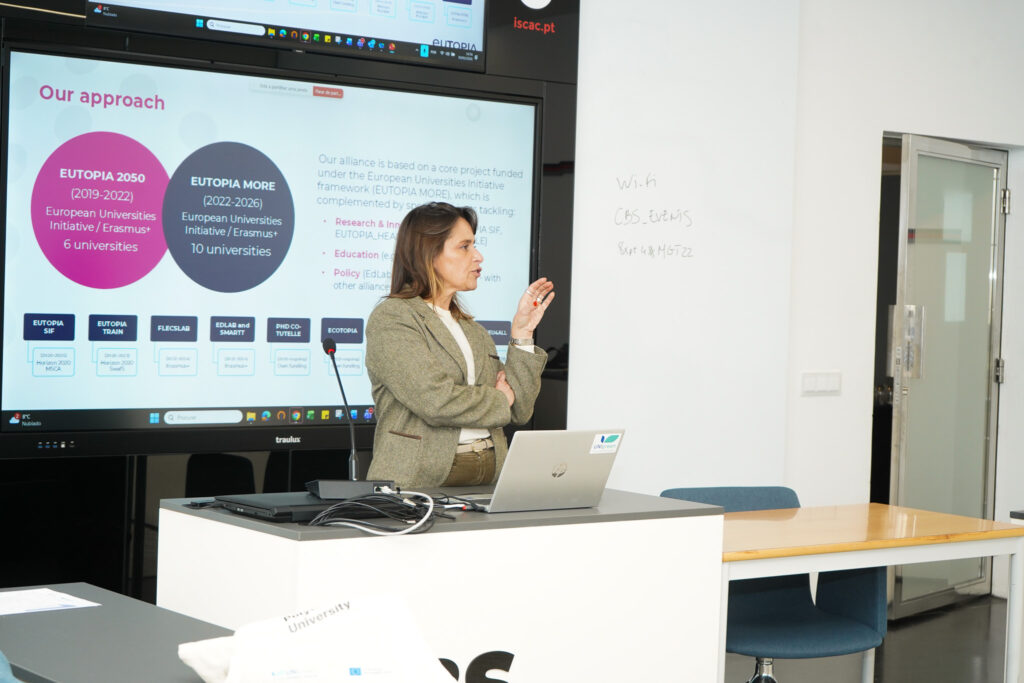
This second edition of the Training Workshop for Mobility Officers further consolidated WP4 as a strategic platform for capacity building within UNIgreen, contributing to the enhancement of mobility quality, the harmonisation of procedures, and the strengthening of cooperation among international relations offices across the Alliance.
-

UNIgreen presented at BAUHAUS4EUit forum in Portugal
Members of UNIgreen took part in the 1st BAUHAUS4EU Forum, an event that took place between 11 and 13 June 2025 at the Castelo Branco Polytechnic University (IPCB) and was attended by around 150 representatives from the 10 European higher education institutions that are part of BAUHAUS4EU, the European University of which Castelo Branco Polytechnic is a member, as well as more than half a hundred guests, including mayors, companies, higher education institutions and representatives of the region’s business community, who shared their vision and testimony over the course of the 3-day event.
The BAUHAUS4EU Forum is BAUHAUS4EU’s main dissemination event and its main objective is to publicise the project’s potential impact in the regions where the Alliance’s members are located, as well as to make these regions, and in this case the IPCB itself, better known to these same partners. The event featured a varied programme, spread across the different schools of the Castelo Branco Polytechnic University.

On 12 June, the programme focused on benchmarking with other European Universities, with the presence of representatives from ACE2EU (Polytechnic University of Santarém), Run-EU (Polytechnic Universities of Leiria and Cávado e Ave), UNITA (University of Beira Interior and Polytechnic University of Guarda), KreativEU (Polytechnic University of Tomar and UNIGreen (Polytechnic University of Coimbra). In addition to the presentation of these European Universities, the work included three round tables on the themes of ‘Main Challenges on Management and Quality Assurance Process’, ‘Educational Offer within the Alliance and Student Engagement’ and ‘Connection with Regional and Associated Partners’. On UNIgreen’s side, WP4 coordinator Dulce Caetano presented the European alliance to the audience, explaining the main vectors of development and the results achieved. Helga Sardinha, from WP9, and João Gândara, pedagogical council, took part in the round tables, where they gave their contribution based on their experience for joint reflections among the aliances presente.

BAUHAUS4EU aims to promote the sustainable and inclusive development of European regions through international and multilateral co-operation. The work is based on the experience of the Alliance’s member institutions and their regional partners, as well as the themes and values of the New European Bauhaus (environmental sustainability, aesthetics and inclusion), as a leading international movement for the transformation of sustainability and ways of life, linking art, culture, social inclusion, science and technology.
Led by the Bauhaus-Universität Weimar (Germany), BAUHAUS4EU includes, in addition to the Polytechnic University of Castelo Branco, the Blekinge Institute of Technology (Sweden), Polis University (Albania), the University of Architecture Civil Engineering and Geodesy (Bulgaria), Università degli Studi di Bergamo (Italy), University of Economics in Katowice (Poland), University of Macedonia (Greece), Université Lumière Lyon 2 (France), Université de Picardie Jules Verne (France). The ten institutions represent a universe of 124,000 students and 10,000 teaching and non-teaching staff, collaborating closely in various innovative formats to shape the future of teaching, learning and innovation.
-
UNIgreen Science Week 2025
The UNIgreen European University Alliance successfully concluded its UNIgreen Science Week 2025, an extensive program of events that ran from September 22 to October 24, designed to foster innovation, collaboration, and knowledge exchange across its network of partner universities.
The central event was the live webinar “Beyond the Lab Bench: Exploring Career Paths Outside Academic Research.” This webinar was moderated by Ana Sofia Fajardo (Assistant Researcher) and focused on motivating researchers and students to consider careers outside academia, showcasing how scientific skills can be applied in fields such as science communication, consulting, and policy. Speakers Mattia Colalongo (R&D Scientist) and Weronika Jabłońska (Agroecology Intern) shared their personal experiences and discussed their transitions to roles that contribute to real-world solutions.
Watch the replay
In addition to the webinar, Alliance partners stood out with their on-site activities:
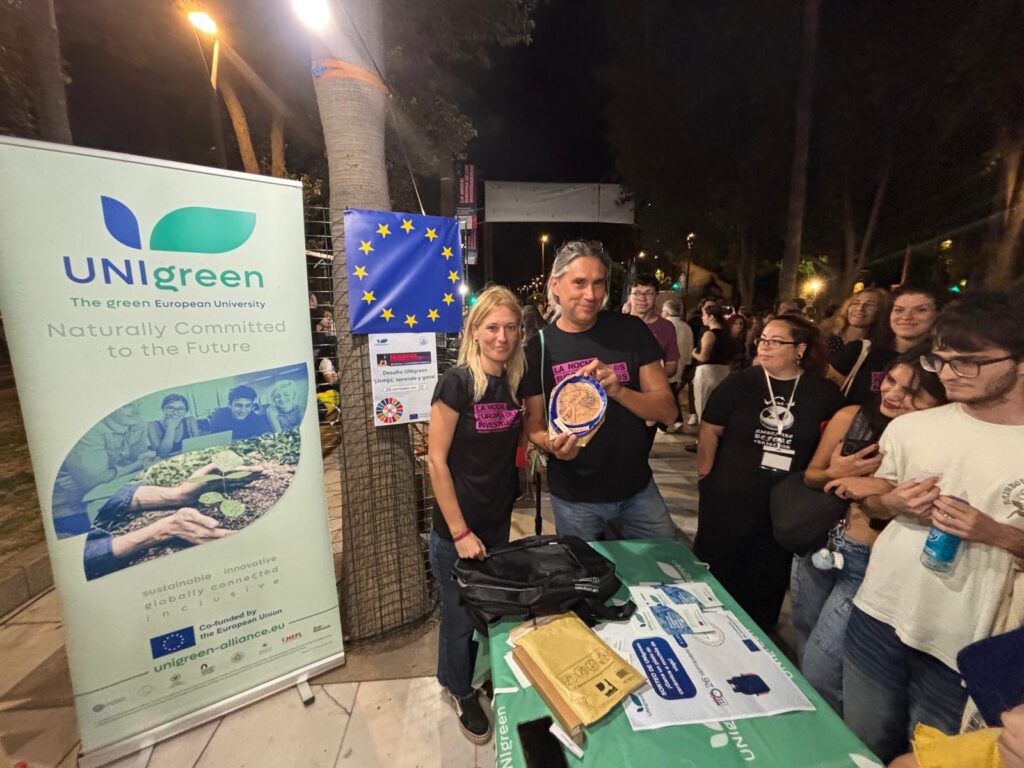
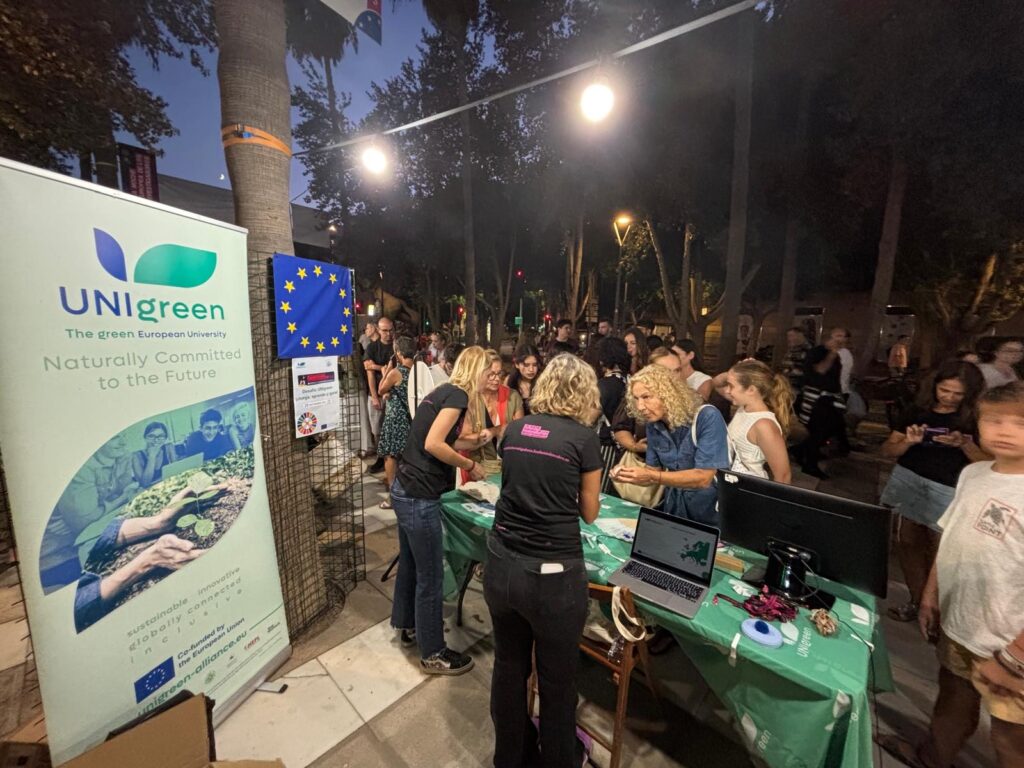
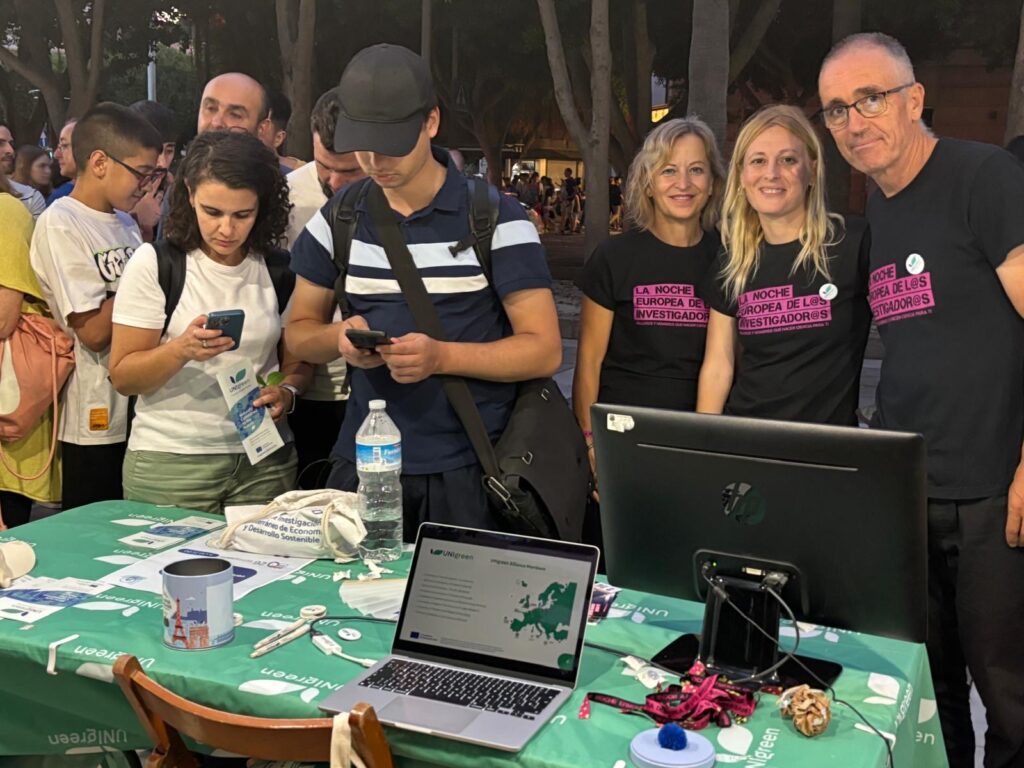
- University of Almería (Spain): The University of Almería joined the celebration by establishing a dedicated UNIgreen stand at the European Researchers’ Night. This was made possible through an engaging activity featuring a roulette wheel with games and prizes, which effectively introduced the general public to the Alliance’s work and mission.
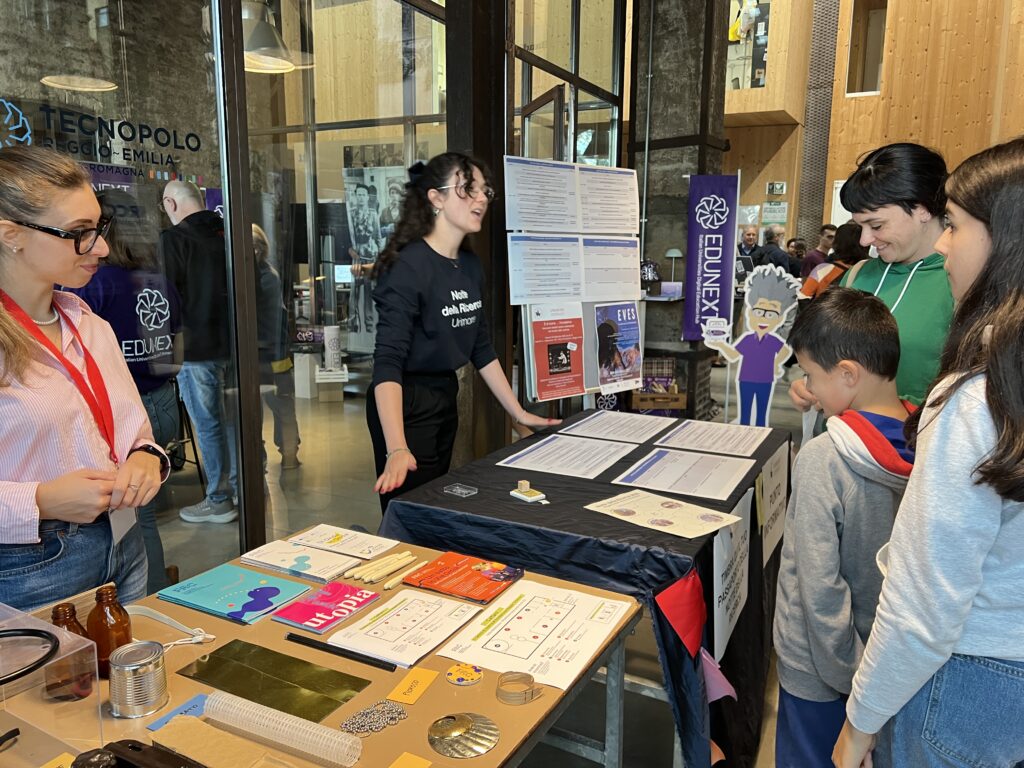
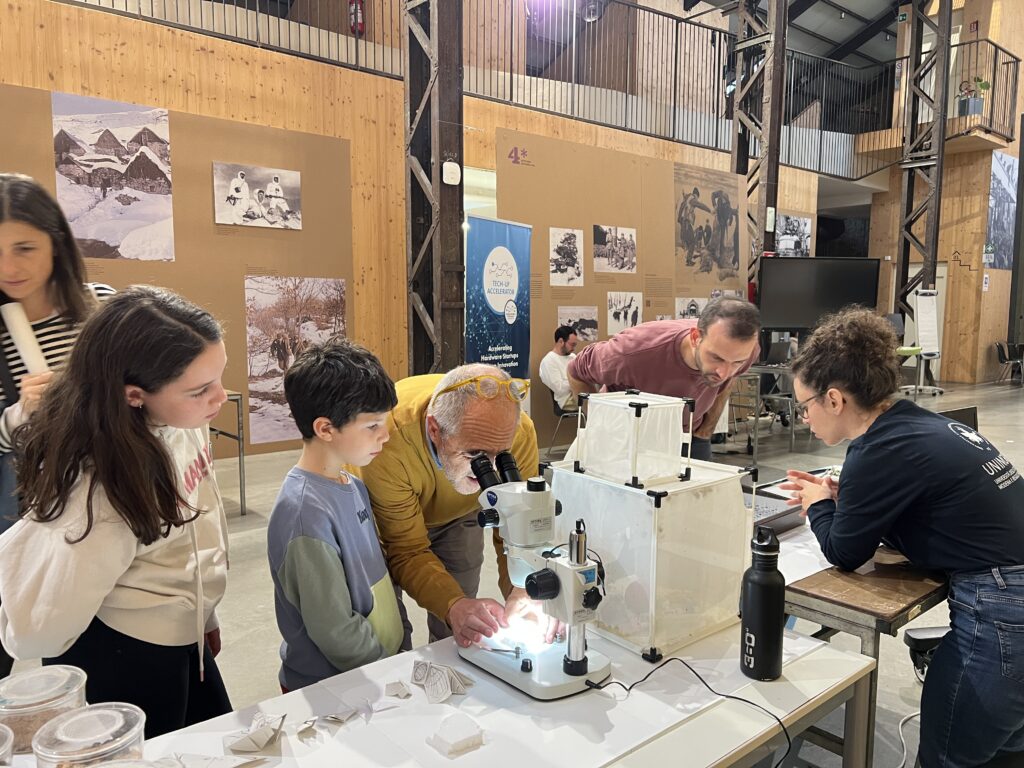
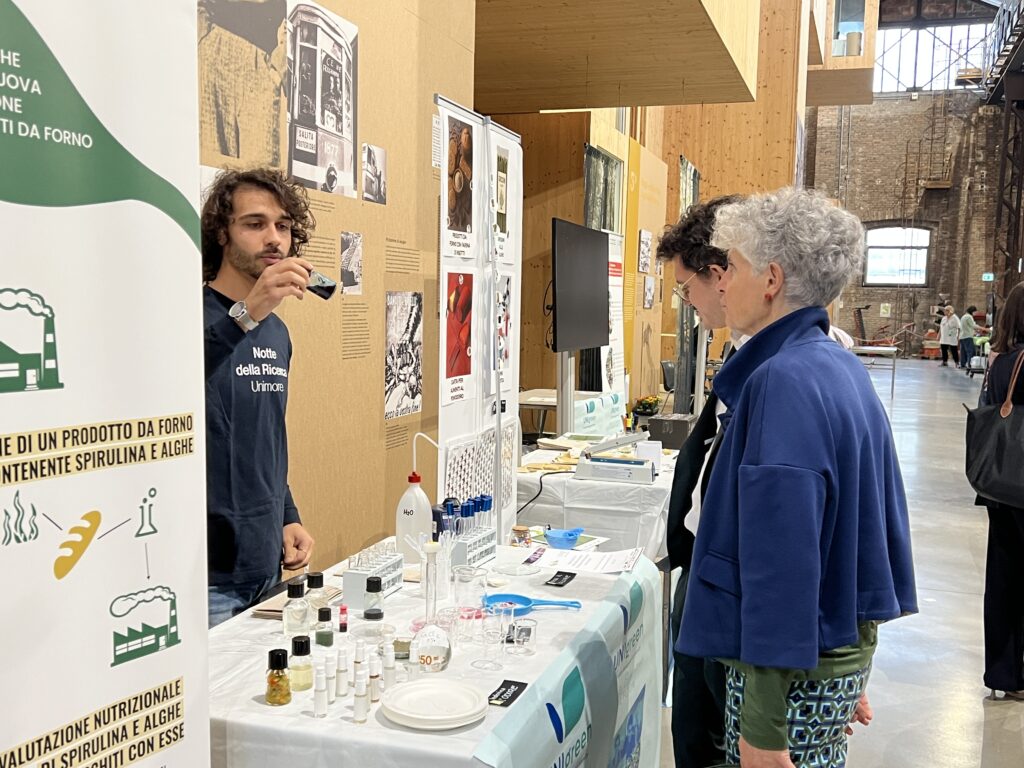
- University of Modena and Reggio Emilia (Italy): UNIMORE fully integrated the UNIgreen Science Week events into the program of the European Researchers’ Night on September 26th, welcoming an audience of approximately 5,000 participants across its Modena and Reggio Emilia campuses. The event featured numerous workshops, exhibits, and performances aimed at connecting the world of research with society. UNIgreen activities, organized by UNIMORE’s Department of Life Sciences and the BIOGEST-SITEIA Research Center, included highly interactive labs such as:
- “Food Packaging Lab,” where participants could spin a “science roulette” to test eco-friendly materials and create their own “eco-bag.”
- “Insects on a Mission: Saving the Planet!” focusing on plastic-eating insects and pollinators.
- “Food for Life: the Science of Healthy Eating,” which promoted mindful eating through games and experiments for children.
A key moment of the evening was when UNIgreen researchers established a live streaming connection between UNIMORE and UAL to show the Italian participants what was happening simultaneously at the UAL Researchers’ Night.
Coming Soon
As part of the UNIgreen Science Week, a new recorded podcast will soon be released “Becoming a Researcher: Two Perspectives, One Passion.”
This exclusive conversation brings together three members of the UNIgreen community researchers at different stages of their scientific careers to explore what it truly means to pursue research today.
The discussion features Weronika Jabłońska, a biotechnology graduate from Warsaw University of Life Science and current research intern at SupBiotech, Frank Yates, Assistant Professor and Director of Research at SupBiotech, and Julien Grimaud, Assistant Professor of Life Sciences and UNIgreen Quality Committee member, who also moderates the exchange.
Together, they share insights on motivation, mentorship, and the evolving role of science in society from the perspective of both a PhD student beginning her journey and an experienced research leader guiding the next generation.
-
UNIgreen Strategic Meeting
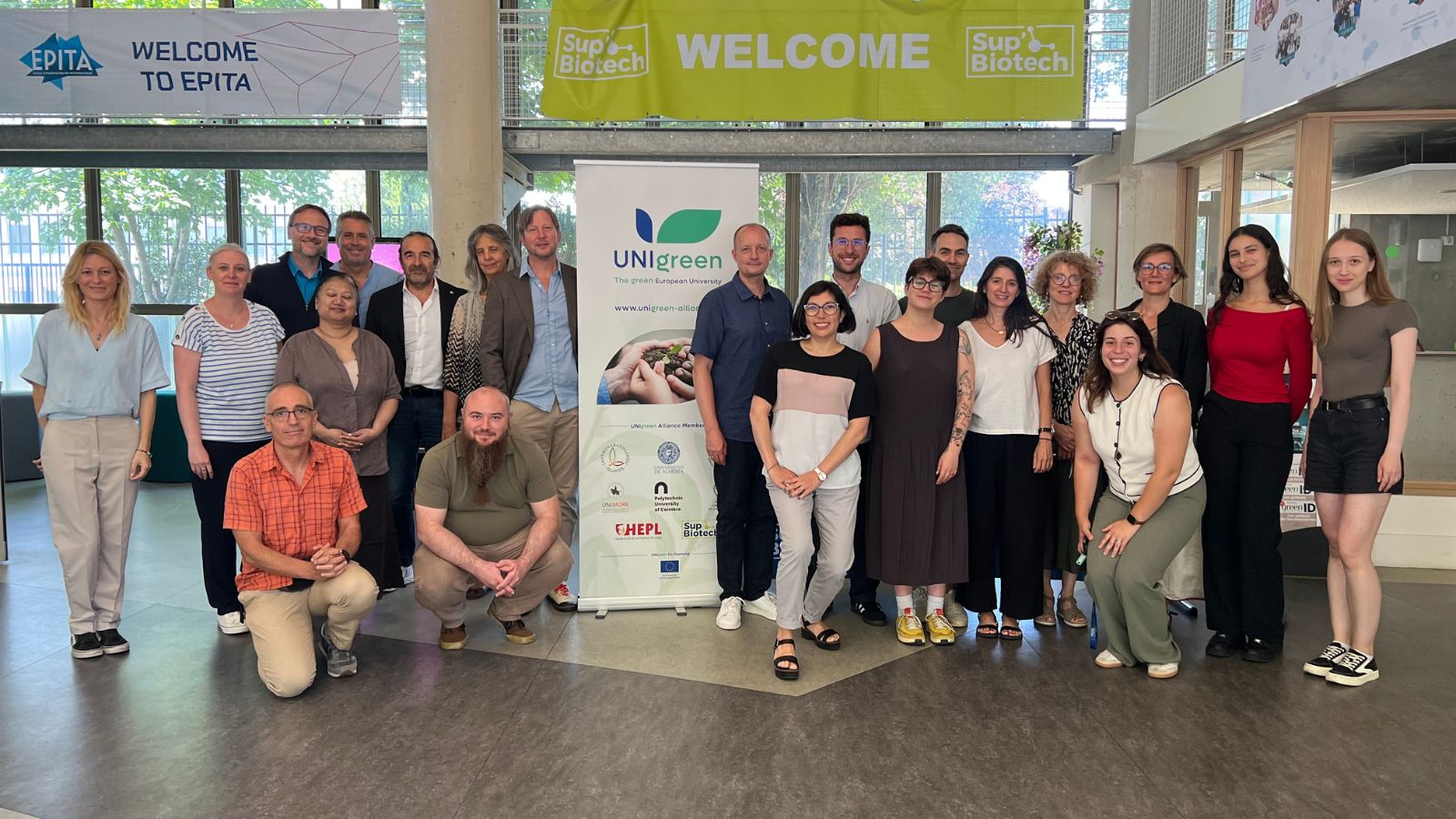
On July 2 and 3, 2025, SupBiotech hosted a high-level strategic meeting of the UNIgreen Alliance, bringing together more than 20 members on its campus to define the Alliance’s future direction. The primary objective was to establish a strategic action plan to guide upcoming initiatives.
The event united representatives from all UNIgreen units, work packages (WPs), and the Board of Directors. Over two days of dynamic sessions, participants shared forward-looking ideas and worked together in an open, transparent environment to build a unified vision for the Alliance’s development.
Key discussion topics included innovative teaching and research methods, challenge-based learning, the design of new academic programs, and planning for future events. A strong focus was placed on equipping students with the skills and tools needed to thrive in tomorrow’s job markets, tackle emerging global challenges, and become future industry leaders.
Students remain at the heart of UNIgreen’s mission. Two SupBiotech students, UNIgreen Ambassador Elizaveta Zhuvoka and Communications and Marketing Intern Lydie Hamza, were active contributors to the meeting, offering valuable perspectives on student engagement, inclusive decision-making, and the importance of keeping students central to the Alliance’s efforts.
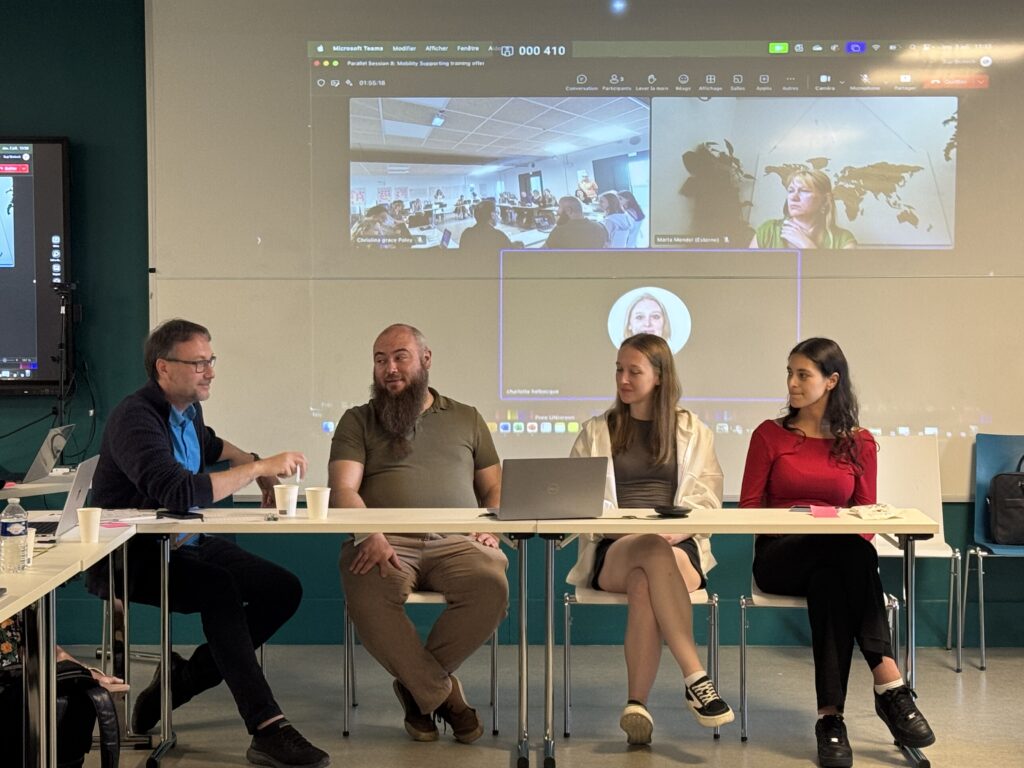
UNIgreen also had the pleasure of welcoming a representative from the YUFE Alliance (Young Universities for the Future of Europe). Professor Aliyah Morgenstern, Linguist and Vice President of European Affairs at Sorbonne Nouvelle University in Paris, shared her insights and experience, enabling a meaningful exchange of best practices and reinforcing inter-alliance collaboration.
The meeting concluded with renewed motivation and commitment among all attendees. The collaborative spirit and constructive dialogue reaffirmed the Alliance’s shared goals and highlighted the importance of continued cooperation between faculty, staff, students, and partner organizations, key to UNIgreen’s future success.