

-
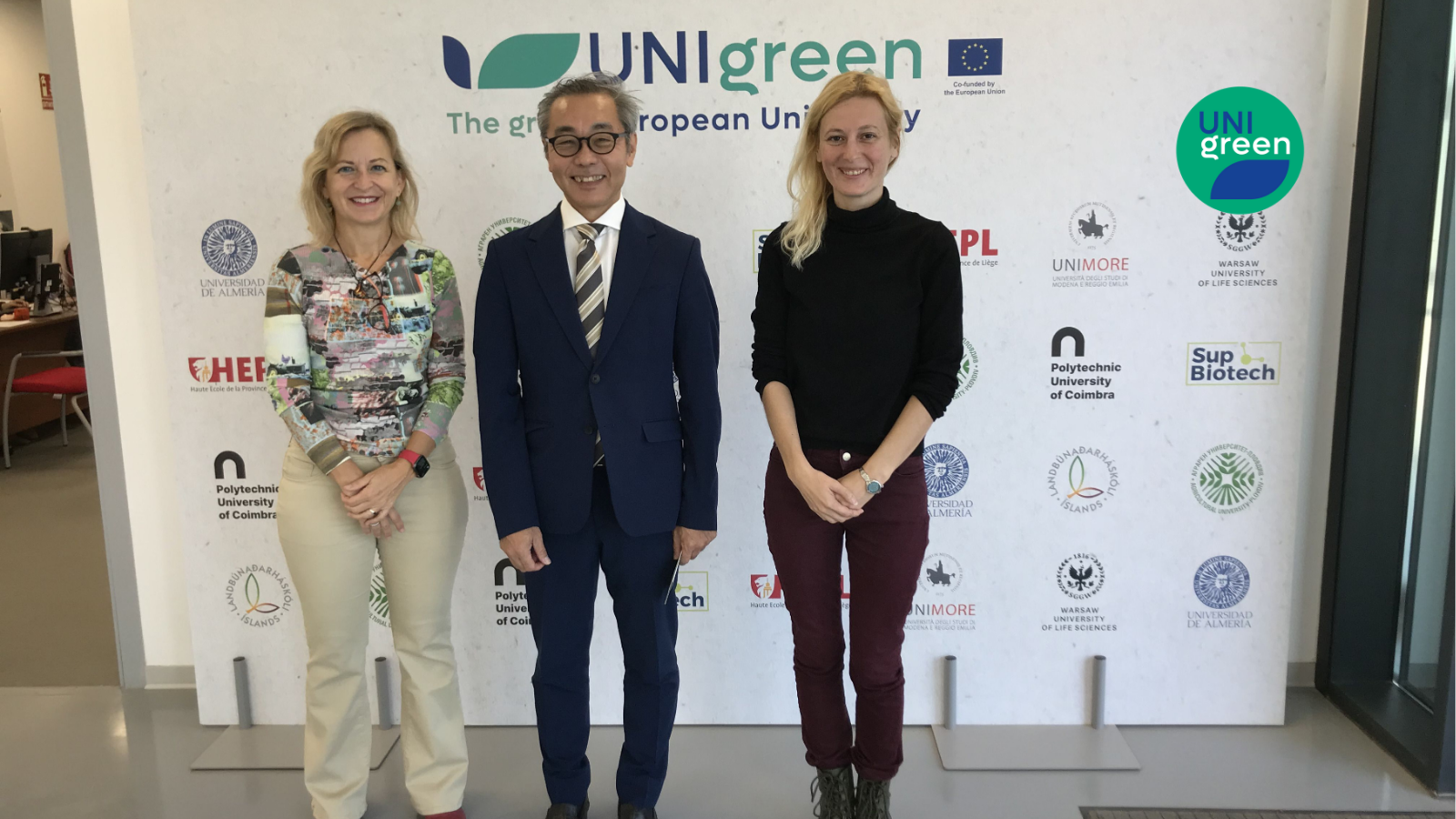
The University of Almería Welcomes Strategic Partner from Japan to Discuss Ongoing and Future Collaboration on Microalgae Research
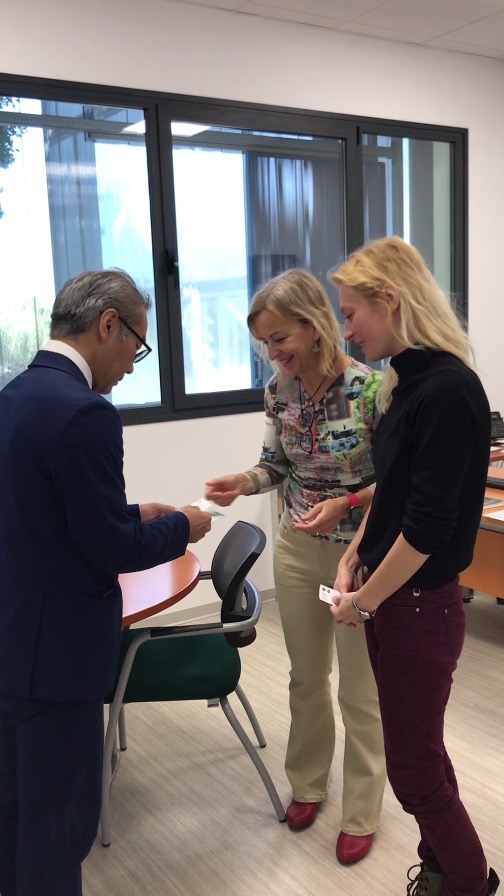
The University of Almería (UAL) was honoured to host Professor Mishima, Head of Internationalization at Saga University, Japan, as part of their ongoing collaboration under the Erasmus+ KA171 Mobility Program. Since the start of the cooperation in 2020, both universities have actively pursued research and educational exchanges, with a primary focus on advancing knowledge in the field of microalgae.
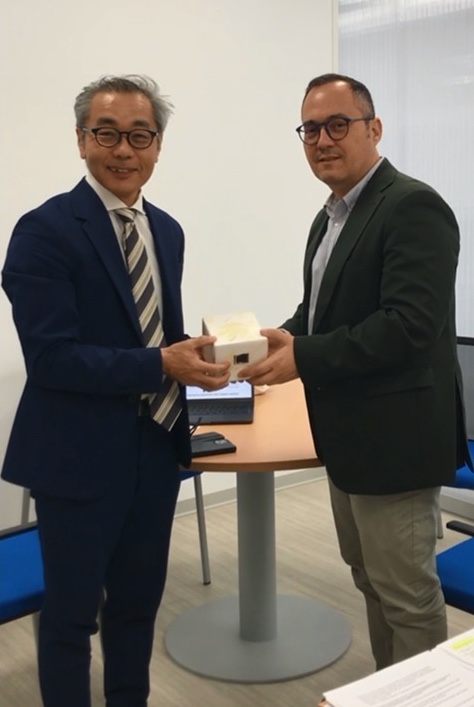
The Erasmus+ KA171 program, aimed at fostering international academic partnerships, allowed UAL and Saga University to establish a cooperative foundation centered on shared academic interests and objectives. Among these, microalgae research has been a significant area of mutual interest, given the unique potential of algae for environmental sustainability, biotechnology, and renewable energy applications. The University of Almería is renowned for its pioneering research in this field, having conducted extensive studies on the environmental benefits and technological uses of microalgae.
This partnership has already led to several joint publications and exchange opportunities. UAL staff have visited Saga University for collaborative projects, while master’s and doctoral students from Saga have participated in UAL’s academic programs, furthering their expertise and contributing to the university’s global research impact.
Looking ahead, both institutions are working to expand this partnership with tailored programs. A unique “Study Abroad” course will soon be offered at UAL, providing international students the chance to engage deeply in microalgae and biotechnology research. Additionally, UAL students will have the opportunity to pursue a two-year master’s program at Saga University through the prestigious MEXT scholarships from the Japanese Ministry of Education, Culture, Sports, Science, and Technology.
During his visit, Professor Mishima was also introduced to the UNIgreen Alliance, the Green European University. Their engagement with this Alliance opens further avenues for collaboration.
-
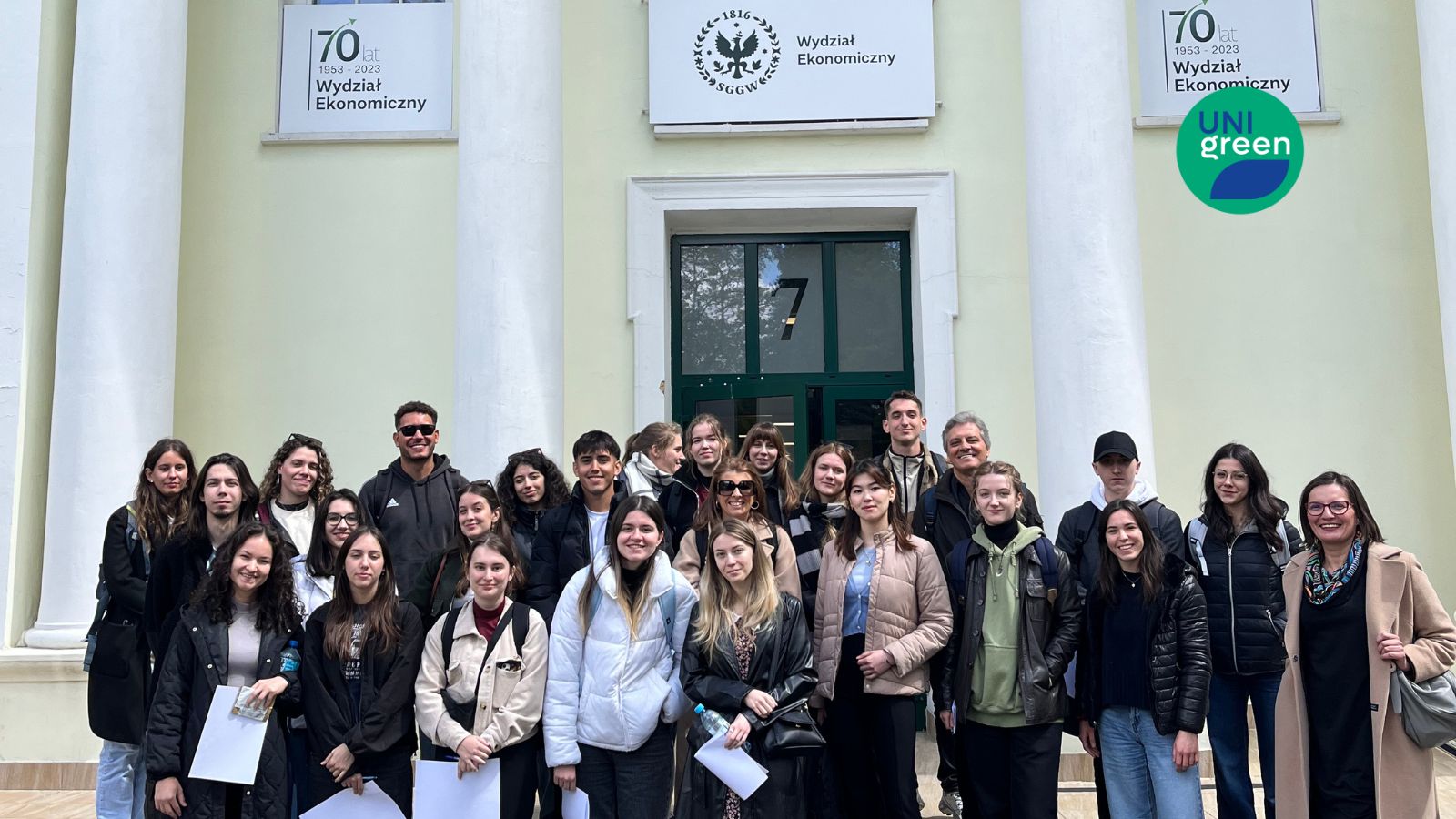
Think Green – BIP at SGGW
Think Green, Think Forward: Exploring Innovative Pathways to Sustainable and Circular Economies.
From May 12–16, 2025, Warsaw University of Life Sciences (SGGW) is hosting the Blended Intensive Programme (BIP) “Designing Resilient Cities”, an interdisciplinary course bringing together students from across the UNIgreen Alliance to explore nature-based urban development.
The programme welcomes 25 participants from 6 countries:
- Babes-Bolyai University (Romania)
- Czech University of Life Sciences Prague (CZU) (Czehia)
- Polytechnic University of Coimbra (Portugal)
- Latvia University of Life Sciences and Technologies (Latvia)
- University of Modena and Reggio Emilia (Italy)
- University of Almería (Spain)
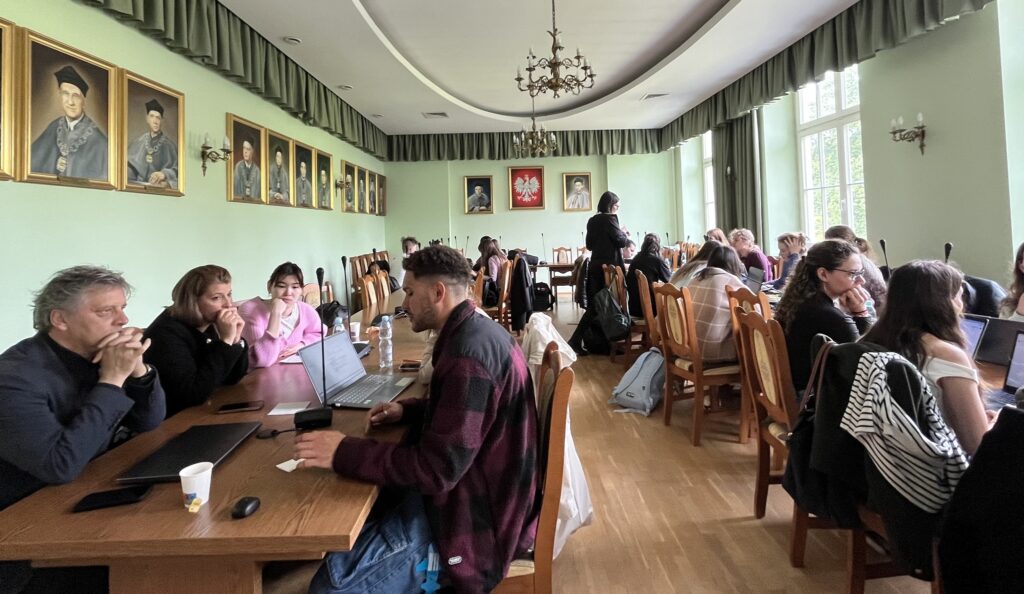
Over five dynamic days, students are learning how green infrastructure, circular economy and bioeconomy principles can help cities become more sustainable and climate-resilient.
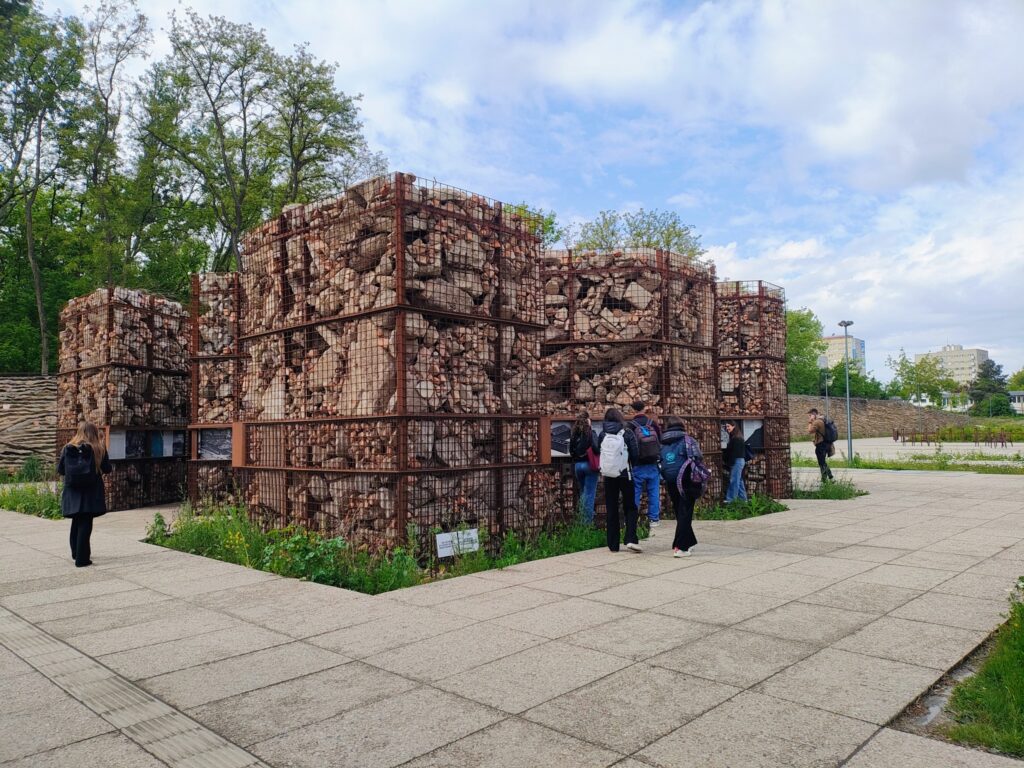
Field visits include:
- Vistula River Valley: a Natura 2000 site and part of Warsaw’s flood protection strategy,
- Park Akcji “Burza”: a reclaimed urban space combining biodiversity, memory, and recreation,
- SGGW campus and local green infrastructure projects.

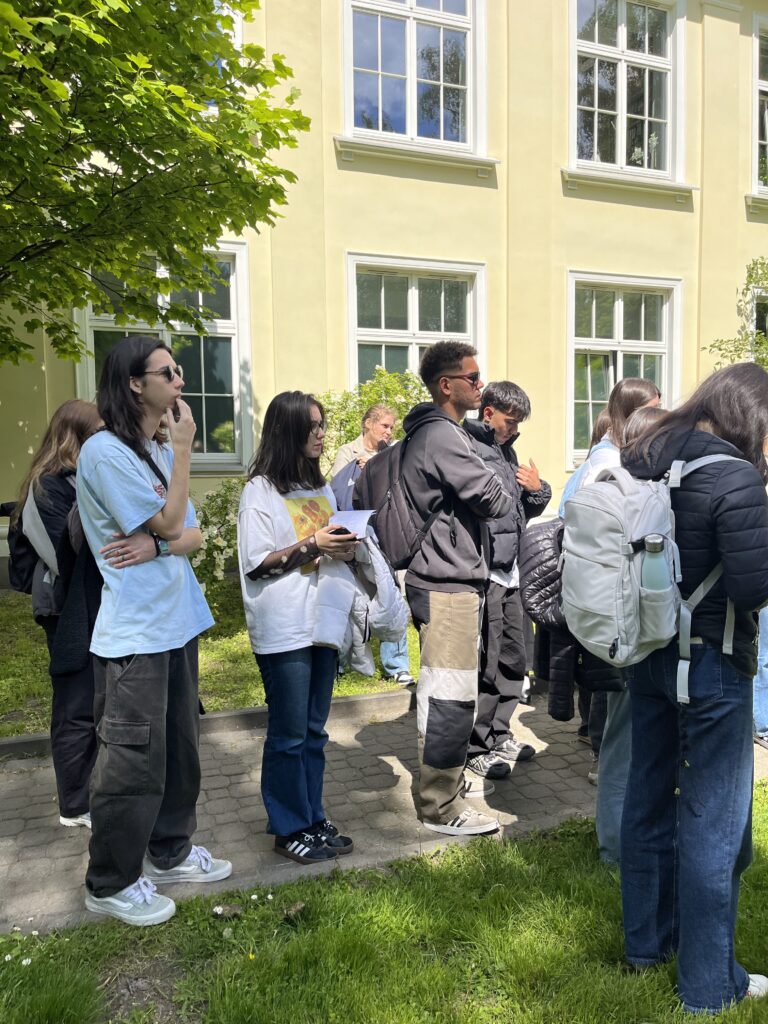
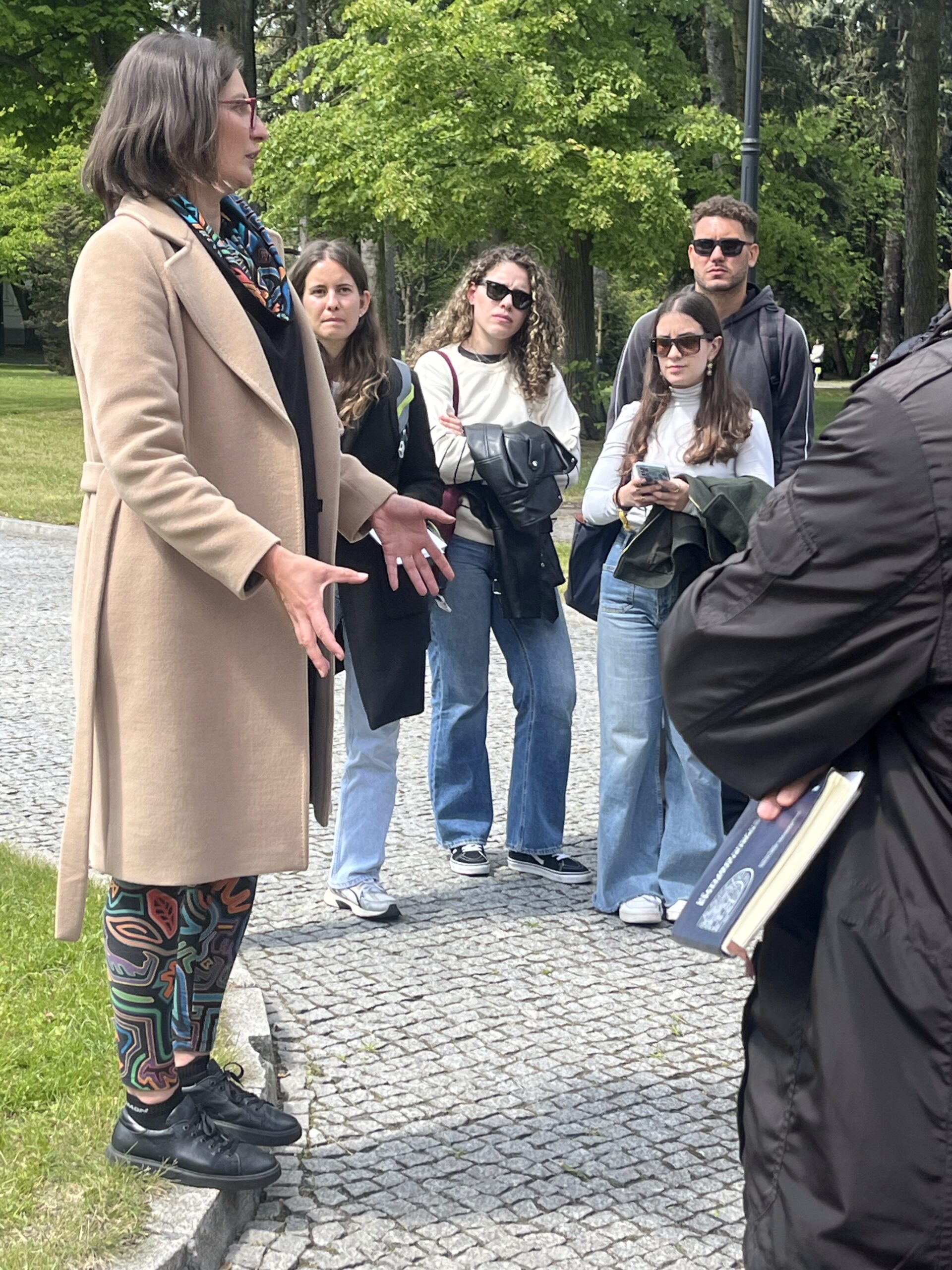
In addition to lectures and site visits, students work in international teams to develop real solutions to urban environmental challenges. Final proposals will be presented at the end of the course, showcasing how nature-based design and circular thinking can be applied in practice.
Why does it matter? Here’s what participants say:
“This wasn’t just a course — it was an experience that changed how I think about cities and the future.” — student from Portugal
“For the first time, I truly saw how nature and urban planning can work together, not against each other.” — student from Italy
Students are working in international teams to design project proposals for real environmental challenges facing Warsaw. Their final presentations will showcase how theory can meet practice.
As Prof. Nina Drejerska explains:
“It’s more than just education — it’s about building a community where students learn together how to create sustainable cities.”
Prof. Daria Sikorska adds:
“Warsaw is a living lab. We’re showing students that urban transformation is possible — but it takes courage, creativity, and collaboration.”
This BIP is also linked to the CL4BIO project (Creative Learning for Boosting Bioeconomy), which promotes hands-on, creative methods in higher education.
-
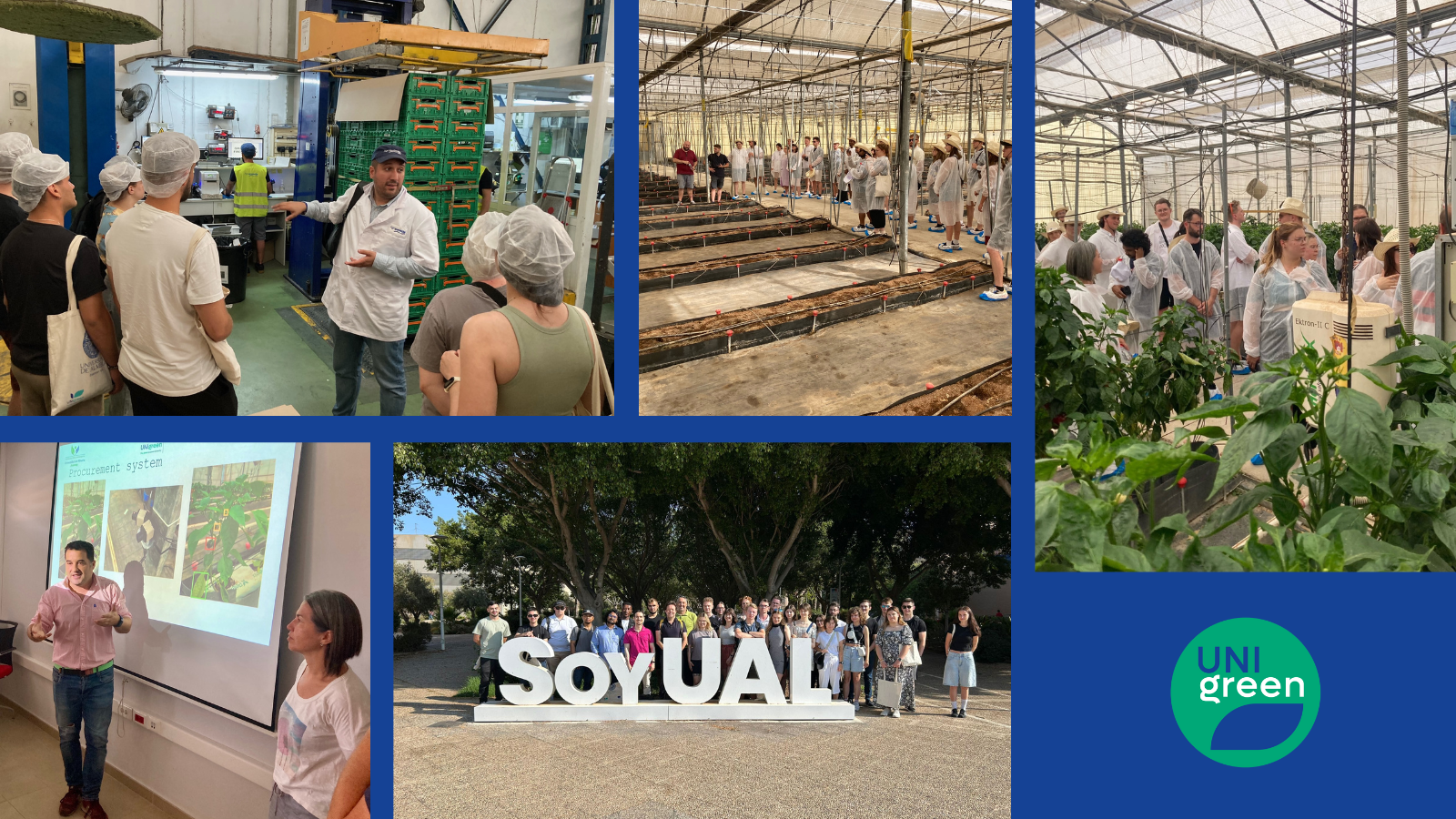
Total success of the first BIP of Alliance students at UAL
From July 1 to 5, the Erasmus+ Blended Intensive Intensive Programme (BIP) called “Digital transformation of agro-companies” was held at the UAL campus, coordinated by Antonio Fernández Martínez, professor at the University of Almeria in the area of Computer Science and Artificial Intelligence.
This course, organised by the Rector’s Delegation for UNIgreen European University in collaboration with the Vice-Rectorate for International Promotion of the UAL during the academic year 2023/2024, increases the possibilities of innovative academic activities for the university community offered by UNIgreen. On this occasion it has brought to our campus 30 international students of 9 nationalities from different UNIgreen member institutions in Bulgaria, Poland, and Portugal, joined by some students from the UAL itself.
The OECD in its publication “New technologies and digitalisation are transforming agriculture and offering new opportunities to improve policy” states that digital technologies are changing agriculture and the agri-food system. These technological advances can contribute to the goal of achieving more resilient, productive and sustainable agriculture and food systems that better meet the needs of consumers.
For all of the above, this course aims to contribute to promoting the advantages of digitization so those who are university students, and tomorrow will be agricultural professionals and entrepreneurs, understand the importance of adopting new technologies that improve the sustainability and profitability of farms and at the same time solve pressing problems such as food security and climate change.
Thanks to the collaboration of the Almeria-based company Hispatec, an international leader in software development for the agri-food sector, attendees have learnt about the main information systems and emerging technologies that leading companies in the sector around the world have implemented to carry out their digital transformation.
To verify that the more academic proposals presented the first days of the course are already a reality that has been implemented and is being successfully exploited in Almeria companies, the group visited the automated packaging center of Agroponiente and the smart greenhouses that are being tested in the UAL-Anecoop farm. They also had the chance to get to know in detail the success case of the Unica cooperative in terms of the development of applications to interact with their farmer producers and finally they visited the Tecnova R&D laboratory to learn about the new technological proposals that are being forged for the digital transformation of Almeria’s agri-food companies.
We are sure that these students will return to their institutions and countries of origin having known first-hand the Almeria Model of sustainable production and having understood how to carry out the digital transformation in companies in their country, thanks to the high digital maturity they have observed in Almeria agri-food companies.
-
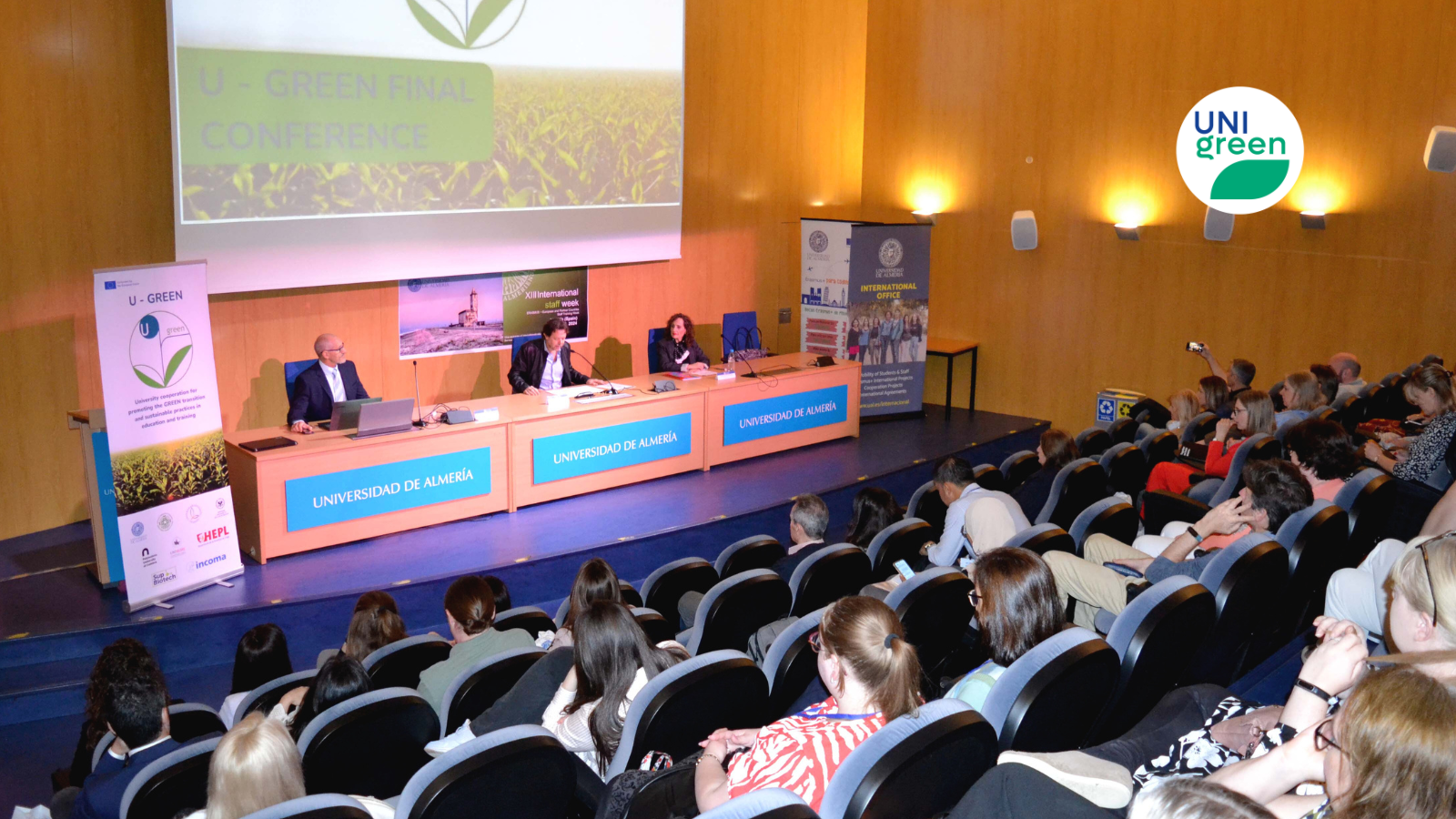
U-GREEN aiming for more environmentally committed European citizens
Last month, the University of Almería hosted the final meeting of the U-GREEN project, whose main objectives are to address the ecological transition and turn universities into catalysts to promote behavioural change in a new generation of European citizens.
U-GREEN is funded by the Spanish National Erasmus+ Agency (SEPIE) and brings together 8 European Higher Education Institutions and was the seed for UNIgreen. In fact, U-GREEN is the ‘little brother’ of the UNIgreen European University Alliance.
The University of Almería also held the U-GREEN Final Conference in order to disseminate and assess its results at national and international level. A wide range of actors in higher and secondary education will be able to use the guidelines created in the framework of this programme, as well as to obtain the U-GREEN Certification, follow the online training programme for U-GREEN experts and use the virtual repository.
“This event comes to close 30 months of intense work that will culminate on June 30. We have anticipated this date to have a speaker of great international prestige, Diego Vazquez-Brust, professor of Global Business Sustainability and Strategy at the University of Portsmouth (United Kingdom), closely linked to the UAL whom we thank for his participation. We are delighted to welcome the staff who during this time have worked on the objectives of this project”, explained Tomás Lorenzana, Rector’s Delegate for UNIgreen.
The event was aimed at stakeholders from Education and Training Institutions involved in the implementation of new green and sustainable practices, green professionals, companies and labour market actors; public actors and policy makers; researchers; NGOs, associations and national/European networks active in the promotion of green and sustainable development and practices in education and training.
Watch more: https://www.youtube.com/watch?v=oibMHYYJijU&t=57s
-
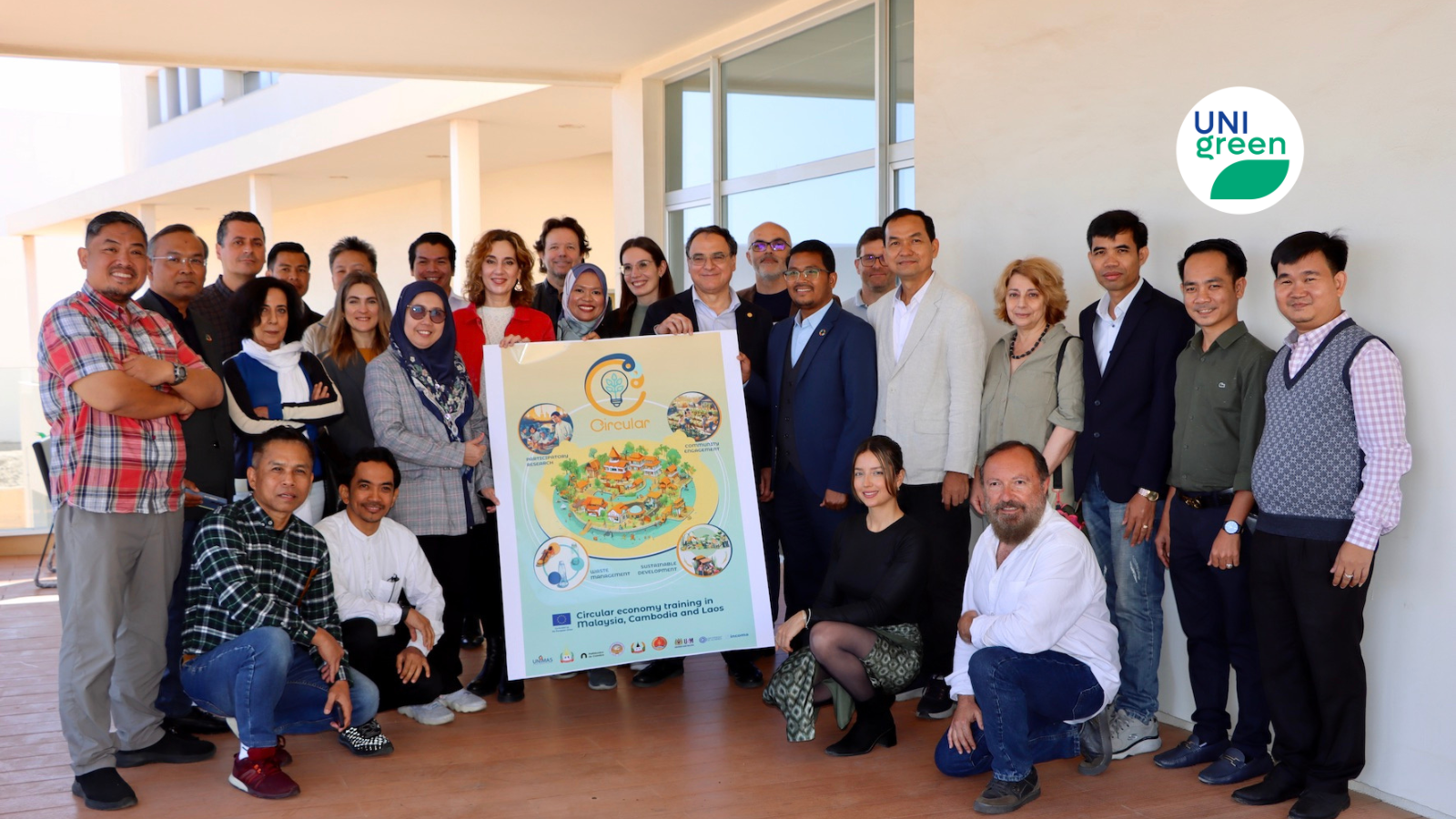
UAL hosts and trains CIRCULAR Consortium Members
Between the 23 and 26 April, the University of Almería hosted a four-day face-to-face meeting of the project ‘Circular Economy Living Laboratories supporting Social Innovation in Southeast Asia’. Co-funded by the European Union, CIRCULAR is an Erasmus+ Capacity Building for Higher Education project.
This CBHE project intends to boost the social innovation ecosystem in Malaysia, Cambodia and Laos by reinforcing the links between Teaching, Research, Innovation and Society to collaboratively design and test innovative solutions to mitigate waste management problems, promote circular economy approaches and improve the quality of life of local communities, supported by a socially engaged student body that is committed to environmental sustainability.
The second CIRCULAR Coordination Meeting took place in Almería, followed by the first Blended Bootcamp. The event brought together more than twenty members of six Asian universities in Malaysia, Cambodia and Laos. During the meeting, Consortium members discussed management and financial issues and did a follow-up of the different Work Packages and activities within the Project.
The Blended Bootcamp workshop is a part of the Capacity-Building training activities. The workshop in Almería was the piloting bootcamp for the one that will be implemented at the Southeast Asian partner universities in June and July this year. Bootcamp participants also had the opportunity to visit some greenhouses that form part of the Andalusian Observatory of Circular Economy. Thanks to this visit, participants could get firsthand insights into circular economy research done in the region with largest concentration of greenhouses worldwide.
-
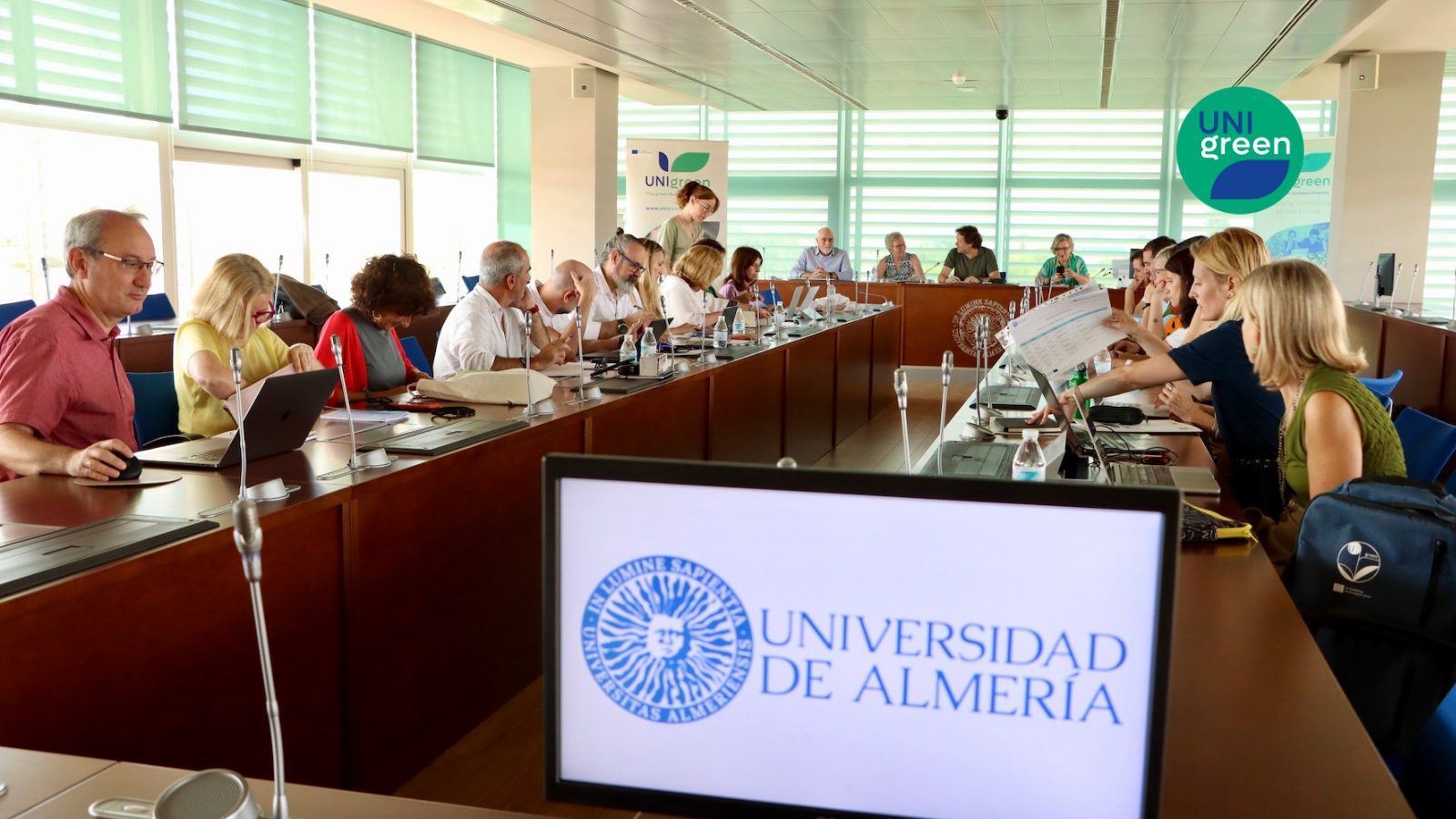
UAL hosts meeting with Andalusian Universities involved in European University Alliances
Eight out of the ten Andalusian public higher education institutions participating in the European Universities initiative participated in a fruitful day of work at the University of Almeria (UAL), showing the strength of the Andalusian university system.
The University of Almeria has hosted a meeting of maximum interest, in which more than twenty local representatives of the universities of Granada, Jaen, Malaga, Cordoba, Seville, Cadiz and Huelva have participated, sharing their progress and experiences in their respective Alliances. The participants were received by UAL’s Rector, José J. Céspedes, and later went on to discuss an intense programme of topics of common interest.
After a welcome to the Andalusian universities participating in the new European University Alliances, the presentation of the two new Alliances took place. These are PIONEER, with the participation of the University of Huelva, and UNINOVIS, in which the University of Malaga has been integrated. Tomás Lorenzana, General Coordinator of the UNIgreen Alliance has highlighted, in this sense, that eight of the ten public universities of Andalusia participate in as many European Universities, recalling that “the total number of Alliances, after five calls, is 64 for the whole of Europe, which gives an idea of the strength of the Andalusian public university system”.
The other Alliances are: ARQUS (coordinated by the UGR), and SEA-EU, (coordinated by the UCA), from the 2019 call and refinanced in 2022; ULYSSEUS (coordinated by the US), from the 2020 call, and INVEST, with the participation of the UCO, and NEOLAIA, with the participation of the UJA, both from the 2023 call, without forgetting UNIgreen, coordinated by UAL and corresponding to the 2022 call.
Tomás Lorenzana recalled that “the European Universities initiative is the most ambitious and best endowed Erasmus+ cooperation action of all times”. In fact, he added “the initiative aims to promote unprecedented levels of institutionalised cooperation in the search for a systemic, structural and sustainable impact on society, as well as to promote common European values and make a substantial leap in quality, performance, attractiveness and international competitiveness of the European Higher Education System”.
This meeting was an opportunity to report on the meeting of Spanish Universities in European Universities, held in Barcelona the previous week. As Prof. Lorenzana explained “all Andalusian Alliances are part of the national working group, composed of 55 universities in total, in 52 different European Alliances, twelve of them coordinated by Spanish universities, and in which Andalusian universities have a high representation”.
During the meeting, participants also discussed institutional relations with the Andalusian Ministry of Universities and the Agency for Scientific and University Quality in Andalusia (ACCUA) of the Regional Government of Andalusia. In this sense, “the Andalusian universities participating in the European Universities initiative work and act ‘as a block’ to facilitate dialogue and cooperation between them, so that common problems, such as the approval of multiple or joint study programmes (bachelor’s, master’s and doctoral) can be solved in an agile way”.
Finally, the group addressed the relations with the European Education and Culture Executive Agency (EACEA) – European Commission (EC), the international promotion, beyond Europe, of the European Higher Education System, as well as the visibility of the Alliances.
-
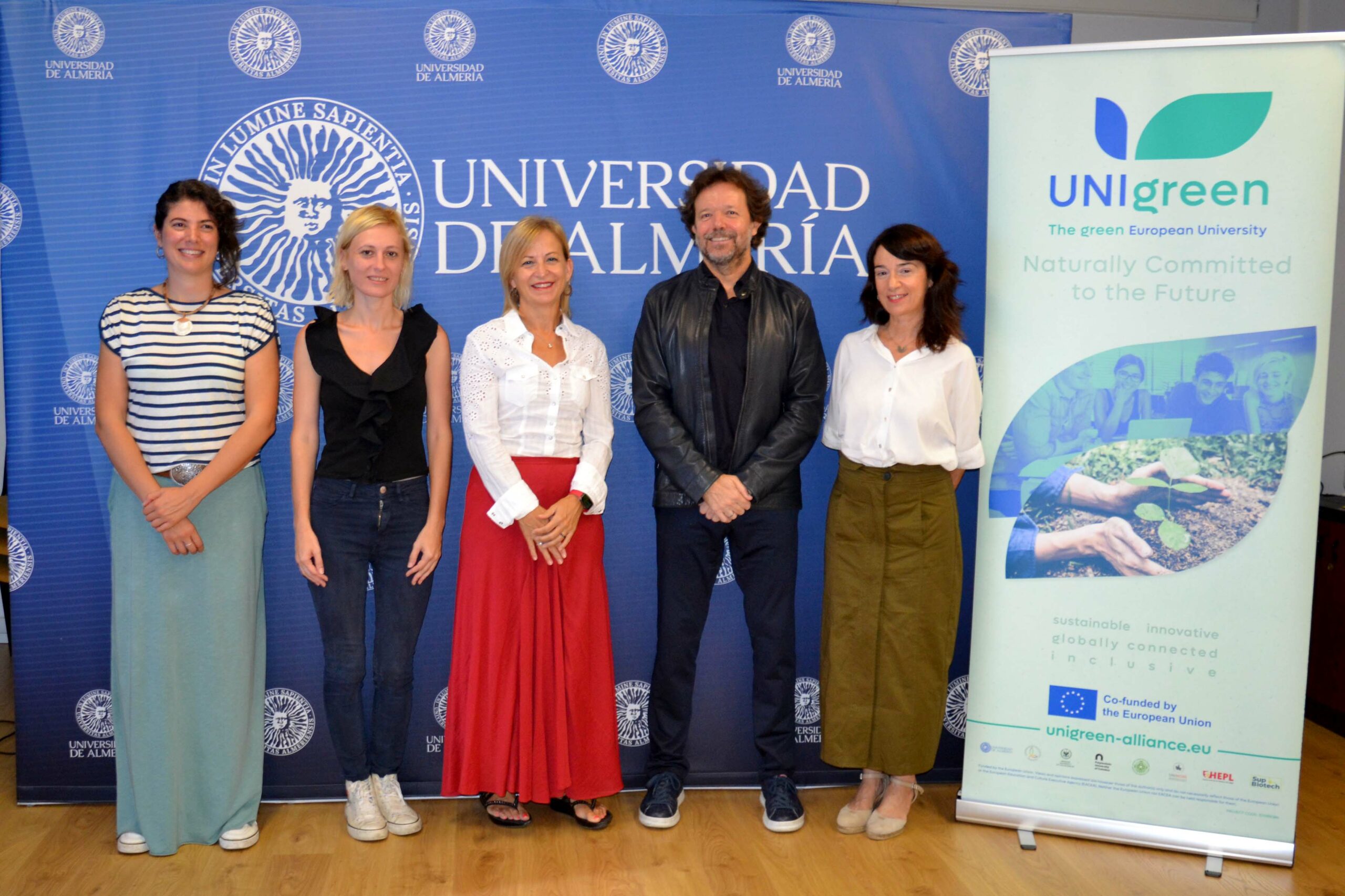
UAL hosts the first annual meeting of UNIgreen’s Joint International Centre (JIC)
It will take place from October 23 to 25, and staff from the eight Higher Education Institutions of the Alliance will attend. The objective is to obtain a global vision of the work done so far and to plan the future of the Alliance.
For three days, from October 23 to 25, more than one hundred professors and technical and administrative staff involved in the implementation of UNIgreen will gather at the University of Almeria for the first annual meeting of the Joint International Centre (JIC) of UNIgreen, The green European University. The JIC is the operational structure of the Alliance, composed of 10 Units and a Quality Committee, and formed by 160 people from the eight partner institutions.
In this face-to-face JIC meeting, the participants will have the opportunity to hold joint meetings to get a detailed overview of the work done, share results, and discuss and plan the future of the Alliance in terms of mobility, digital transformation, or the visibility of the Alliance.
Regarding mobility, which is one of the main objectives of UNIgreen, essential steps are already being taken. Tomás Lorenzana, Director of Internationalization Strategy of the University of Almeria and General Coordinator of UNIgreen, said: “For the last two calls, from the Vice-rectorate for Internationalization, we are giving an additional amount of 100 euros per month to UAL students who choose one of the universities that are part of the Alliance”.
In addition, Lorenzana has declared that the Alliance is already working on implementing double or multiple joint degrees. “We have to work, as much as possible, to boost the mobility of students within the Alliance. A double degree agreement in Biotechnology with Institut Sup’Biotech in Paris is in progress. This collaboration will allow the students of the University of Almeria to obtain a degree in Biotechnology Engineering from one of the most prestigious institutions in France in this area. And the students of Paris Sup’Biotech will graduate with our Master’s Degree in Industrial and Agri-Food Biotechnology”.
As for local participants, local and regional authorities will attend, as well as the so-called Associated Partners, public institutions, and companies in the province that have joined this project. Their participation is vital to achieving the long-term vision of UNIgreen and its engagement in the productive and social network of Almeria.
“The event will be important because it is our first in-person meeting. It will help to plan the achievement of the subsequent objectives of the Alliance and, it will help to build teams and strengthen ties between the staff of the eight partner institutions”, explained María Fernanda Rodríguez, responsible for European Projects at the UAL and Technical Coordinator of UNIgreen.
The event will start on the 23rd with an opening session followed by four plenary sessions with topics of interest to all participants. Topics include management, coordination and governance, digital transformation, communication, and quality control of the Alliance.
During the second working day, parallel sessions will take place where staff involved in each work package will establish the corresponding Annual Work Plan. In addition, the Board of Directors and the Management Panel will hold meetings. The Management Panel is responsible for closely monitoring the activities carried out to detect deviations and make progress on the Alliance’s agenda.
On the final day, there will be bilateral inter-work package meetings to discuss topics that require a multidisciplinary perspective. These issues affect more than one of the six dimensions of the Alliance, for example, the development of joint programs, the UNIgreen Virtual Campus, and future events like the UNIgreen Summer Festival.
-

UAL hosts the U-GREEN Final Conference
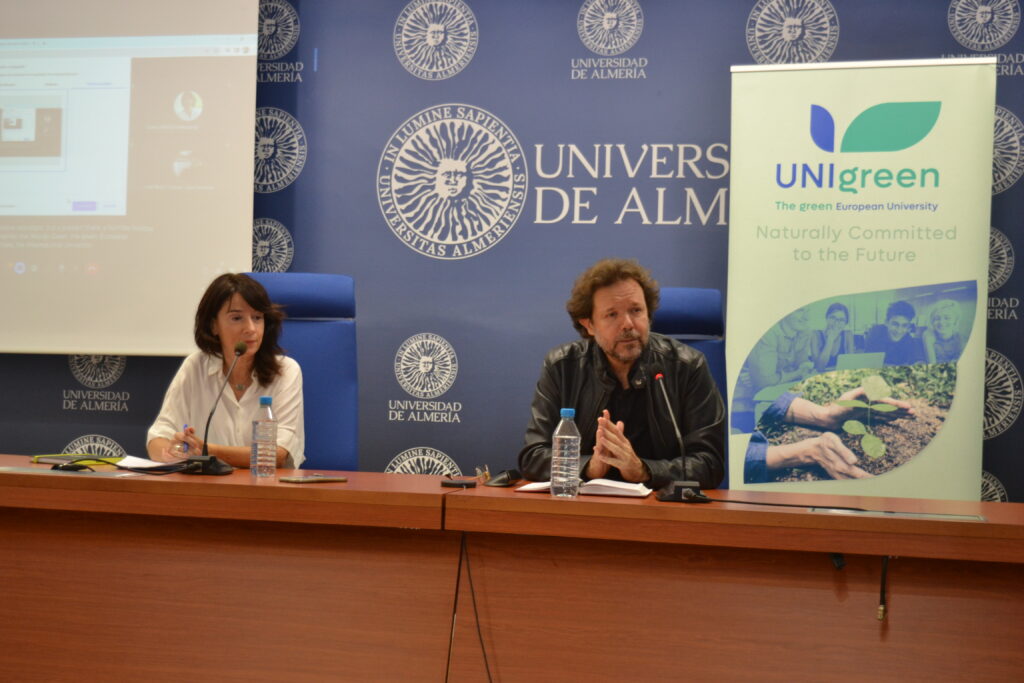
The University of Almería hosts the U-GREEN Final Conference on 24 and 25 April 2024.
Coordinated by UAL, U-GREEN is a “spin-off” project that brings together all UNIgreen Alliance Members and is funded by the Erasmus+ Programme within the scope of KA2 – Cooperation Partnerships.
The two main objectives of U-GREEN are:
- To address the ecological transition and to turn Universities into catalysts to promote behavioural change;
- To foster green skills in a new generation of committed European citizens.
The Final Conference agenda includes different U-GREEN working sessions and a conference on 25 April, which can be followed online, with the intervention of guest expert Prof Diego Vazquez-Brust, Professor of “Global Business Sustainability and Strategy” at the University of Portsmouth (UK), who will deliver a lecture on Green Growth Transitions.
U-GREEN Consortium members will subsequently present the main project results: U-GREEN Guidelines for Education & Training Institutions, the U-GREEN Label, an online Training Programme for U-GREEN Experts, and the U-GREEN Virtual Knowledge Hub.
Registrations to attend the U-GREEN Final Conference are open until 19 April 2024: https://tinyurl.com/U-GREEN
For more information, please visit: https://www2.ual.es/u-green/u-green-final-conference/
-

UAL-UNIgreen Travel Award for a more sustainable mobility
Demonstrating a commitment to promoting sustainable practices, the University of Almería (UAL) is thrilled to announce the UAL-UNIgreen Travel Award, a unique contest that celebrates eco-friendly travel.
The UAL-UNIgreen Travel Award is aimed at international students who decide to reduce the carbon footprint of their mobility next academic year.
To be eligible for one of the three awards, students will have to document their trip on Instagram always using alternative means of transport other than air travel. The Jury will value the means of transport used, prioritising those less polluting, the distance travelled and the originality of the posts on Instagram.
Ever since our University has been coordinating the UNIgreen Alliance, we have been trying to incorporate the environmental perspective in each of our initiatives. With this award we seek a double objective, on the one hand a net reduction of the carbon footprint of student mobility, and on the other hand, to take advantage of the energy and awareness of the younger generations, since they are already carrying out actions like the ones we want to reward.
This award will definitely contribute to the awareness of the rest of the university community about the seriousness of the climate crisis and the tools in our hands to combat it.
The hashtag that students will use to share their journeys on Instagram will be #UNIgreenTravelAward. The participants will probably start sharing at the end of August-early September, when they travel to Almería. The awarding of the three prizes will take place at the Student Welcome Days on 6 September 2024.
For more information, we invite you to read the contest rules.
We cannot wait to see our incoming students’ creative and inspiring journeys! Let’s travel green and make a positive impact together!
-
UNIgreen Advances its Strategic Integration and Vision
UNIgreen Alliance Advances Strategic Integration and Strengthens its Vision for a Green European University at the Annual Summit in Coimbra
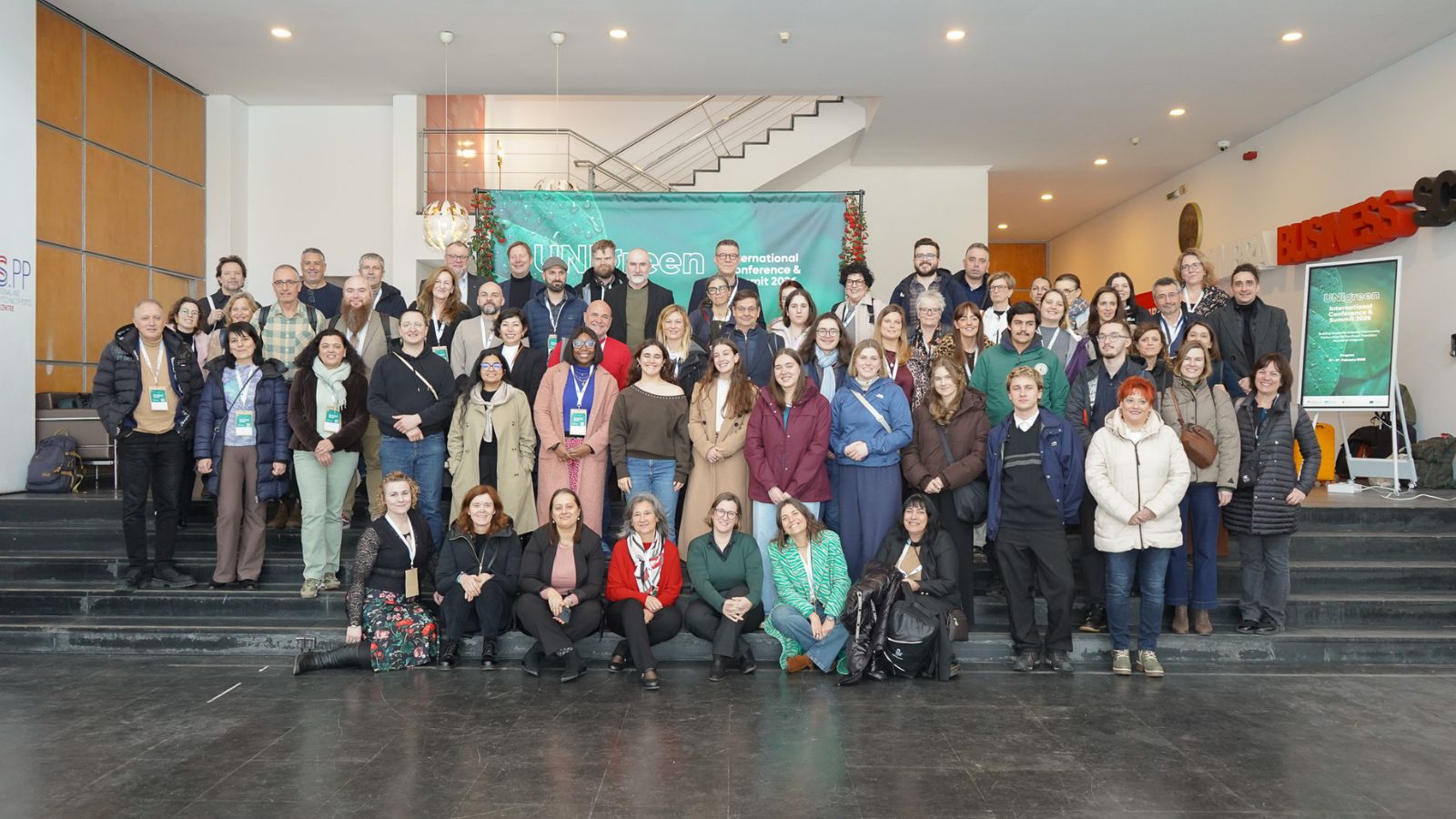
UNIgreen – The Green European University – has taken major steps toward deeper academic, scientific, and organisational integration following its Annual Summit and International Conference, hosted from 4 to 6 February by the Polytechnic University of Coimbra (PUC). The three‑day event brought together nearly one hundred representatives from the eight partner institutions, including rectors, governing bodies, researchers, students, and technical teams.
The meetings consolidated strategic decisions that will guide UNIgreen’s next phase, as the Alliance finalises its proposal to the European Commission for the upcoming renewal period and integrates two new partners from Germany and Finland.
Strengthening the Alliance’s Strategic Direction
In her welcome address, Cândida Malça, President of PUC, emphasised that the Summit marks a pivotal moment in the Alliance’s trajectory. She highlighted the consolidation of PUC’s institutional commitment and the collective progress toward building a European University rooted in sustainability, innovation, and international cooperation.
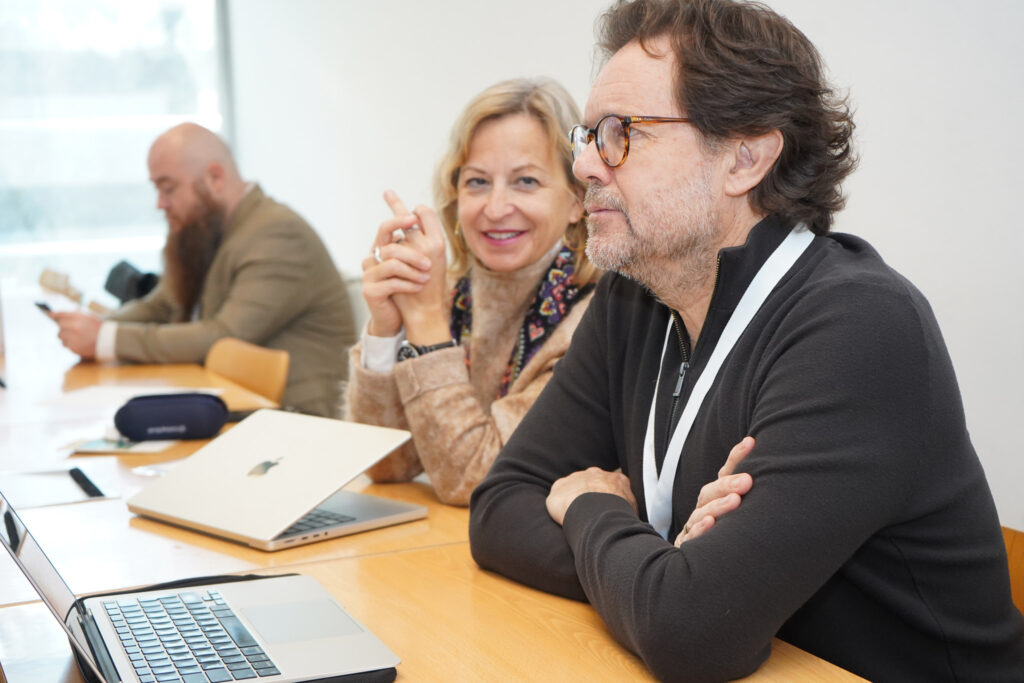
UNIgreen’s General Coordinator, Tomás Lorenzana, underscored the strong participation of the academic community and the relevance of the Summit’s outcomes, noting that the Alliance is entering a decisive period with its upcoming renewal proposal and the arrival of new institutional partners. He reaffirmed UNIgreen’s confidence in meeting its performance indicators (KPIs) at the close of the current funding cycle.
International Conference Highlights Partnerships Driving the Green Transition
On 4 February, the Summit opened with an international conference titled “Building Partnerships between Academia, Industry and Community for the Green Transition: the Role of UNIgreen.”
The event brought together academic experts, industry representatives, and civil society stakeholders to discuss the key drivers of sustainable development.
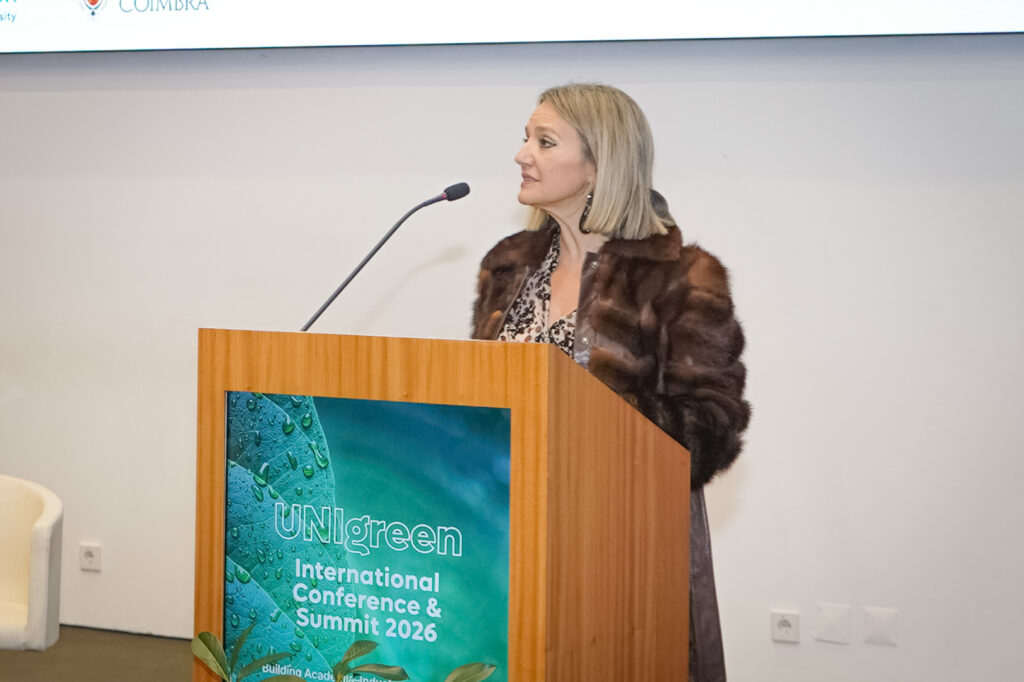
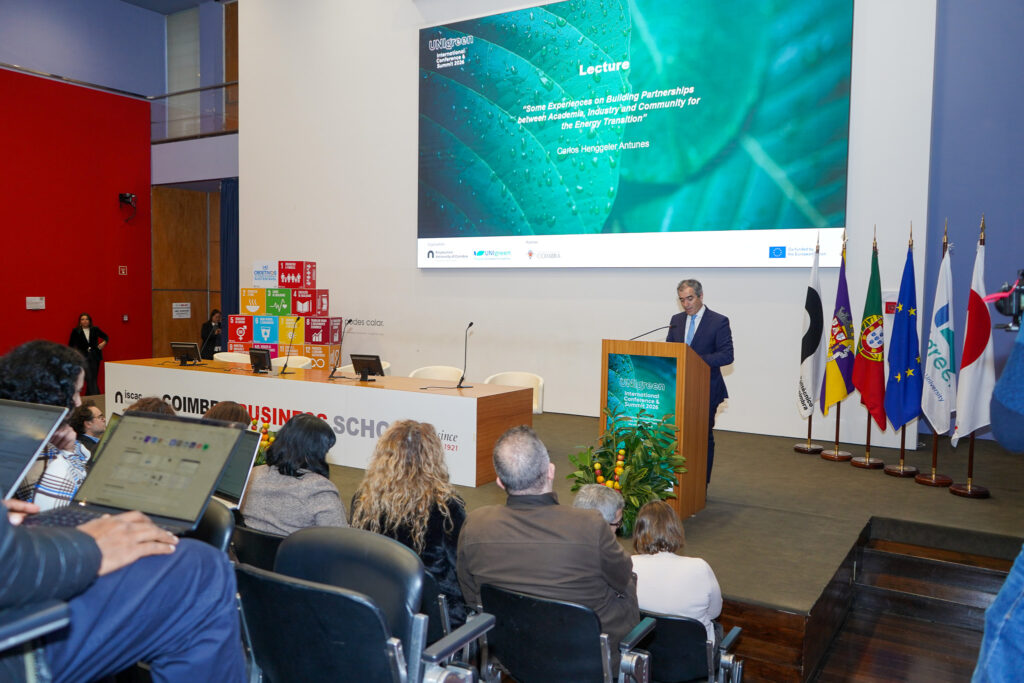
The programme featured:
- a keynote by Prof. Carlos Henggeler Antunes (University of Coimbra, INESC Coimbra);
- a round table showcasing innovative initiatives including the ECLECTIC project, Coimbra LLM – SHIFT Coimbra, and collaborative activities carried out with CoLAB ForestWISE;
- an intervention from the President of FAIRe Portugal, highlighting the essential leadership role of students in shaping the future of European Universities.
Participants stressed the importance of strong, multi‑sector partnerships to accelerate the green transition and amplify the societal impact of higher education institutions.
Governance Bodies Align Priorities and Consolidate the Alliance’s Future Planning
Over three days, UNIgreen’s governance bodies conducted formal strategic sessions to review progress, analyse KPIs, and define targets for the next implementation cycle.
Key outcomes included:
- Integration of new partners:
- Weihenstephan‑Triesdorf University of Applied Sciences (Germany)
- Centria University of Applied Sciences (Finland)
- Election of new leadership in the General Assembly:
- President: Ragnheiður Inga Þórarinsdóttir, Rector, University of Iceland
- Vice-President: Anzalone Salvatore, Rector, HEPL (Belgium)
- Approval of annual activity reports and publication of the UNIgreen course catalogue on the Alliance website
- Presentation of the Quality Assurance Report for the last evaluation period
- Strengthening of the Student Council, which held an in‑person meeting and reaffirmed its central place in UNIgreen’s governance model
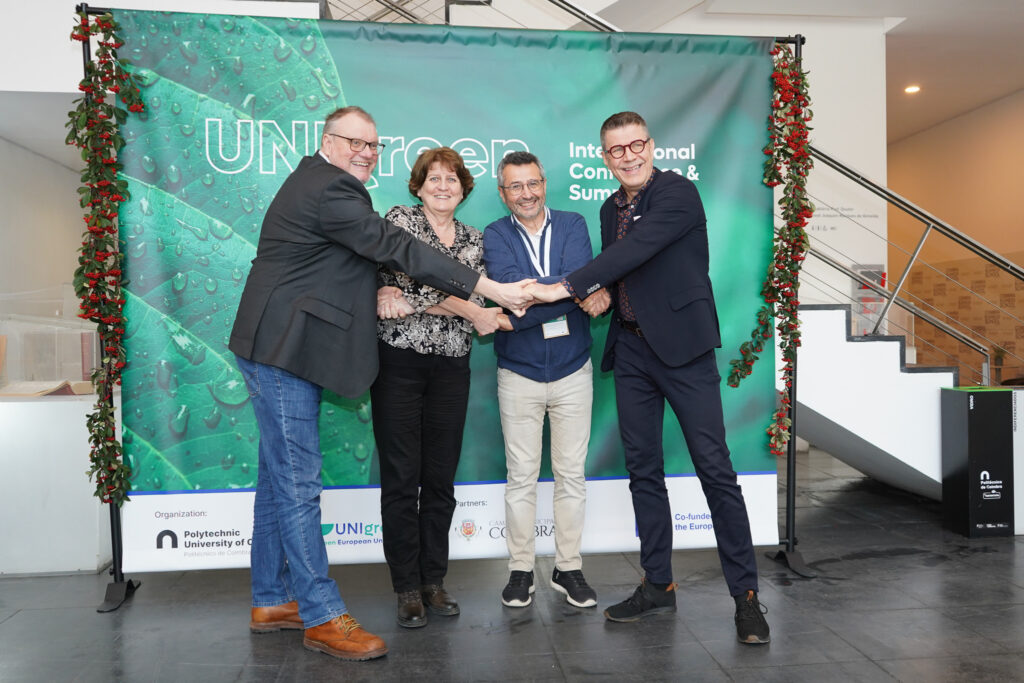
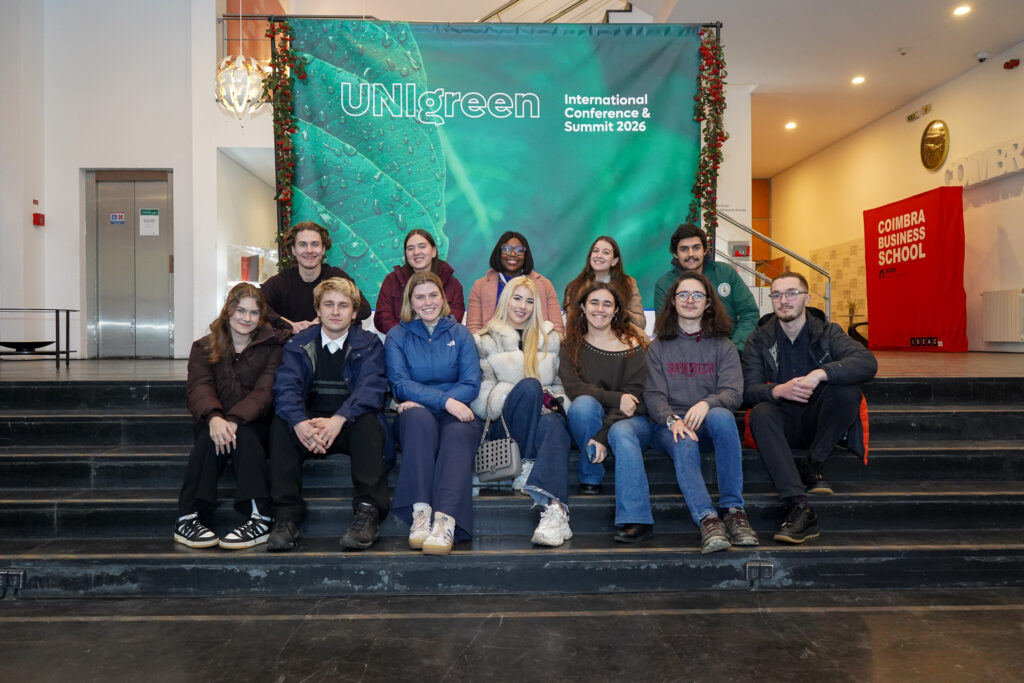
Joint thematic meetings and networking opportunities enabled partners to deepen institutional synergies and align long‑term planning for the Alliance.
Advancing Science, Research and Student Engagement
As part of the Joint Research Centres, bilateral sessions with Teaching and Learning, Knowledge Transfer, and Digital Transition Units, focused on:
- launching UNIgreen’s scientific missions,
- preparing the SURES Challenge Lab student entrepreneurship programme,
- organising scientific seminars, joint publications, and collaborative research projects,
- strengthening research‑education integration through student participation in scientific activities.
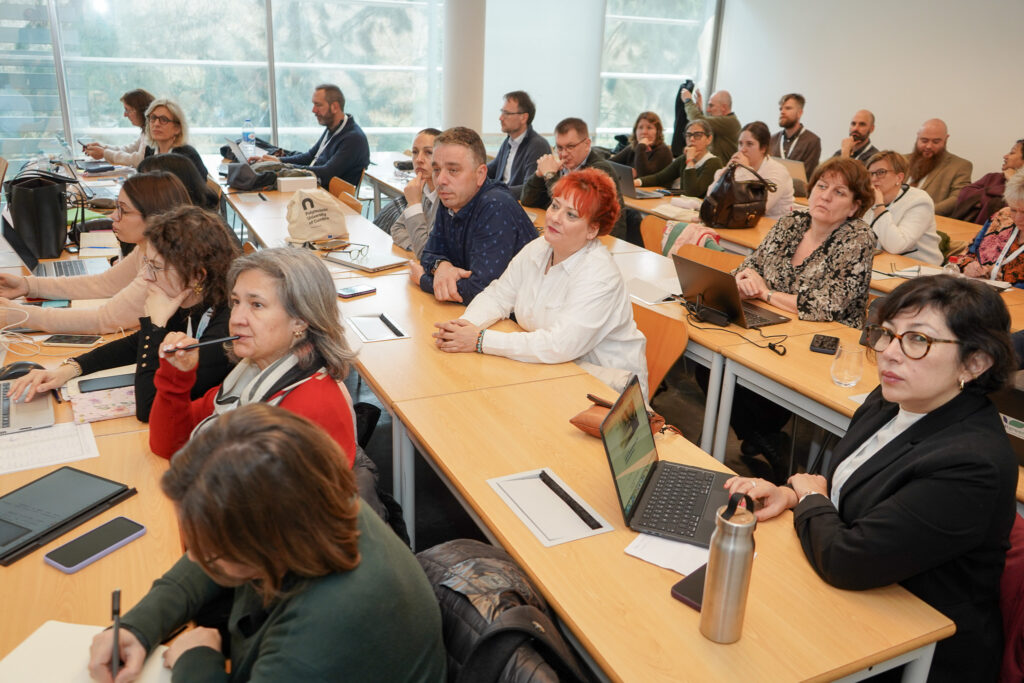
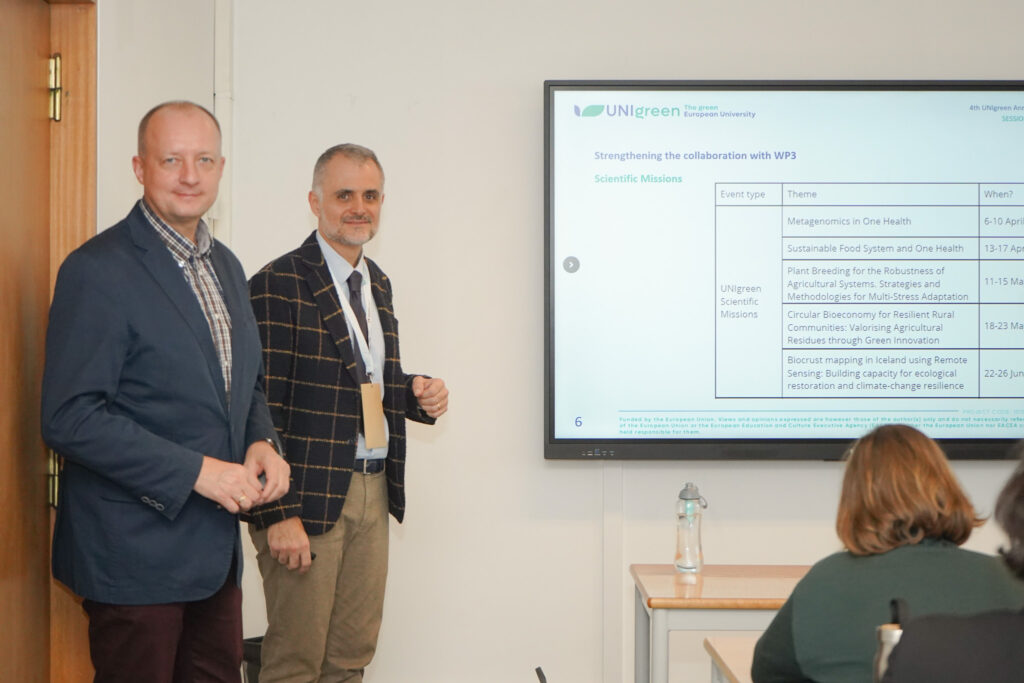
Partners reaffirmed their commitment to positioning research as a driving force of UNIgreen’s educational and societal impact.
Driving Outreach, Sustainability and Inclusion Across the Alliance
The Diversity and Inclusion Unit reported significant progress thanks to close collaboration with the Mobility Unit:
- advancement on the design of the Outreach Programme,
- validation of the UNIgreen Sustainability & Inclusion Checklist for Alliance events,
- strategic discussions to implement the Multiculturalism and Multilingualism Programme by the end of the year.
These developments reinforce UNIgreen’s mission to build an inclusive, diverse and sustainability‑driven European academic community.
Building Capacity: Training for Mobility Officers and Administrative Staff
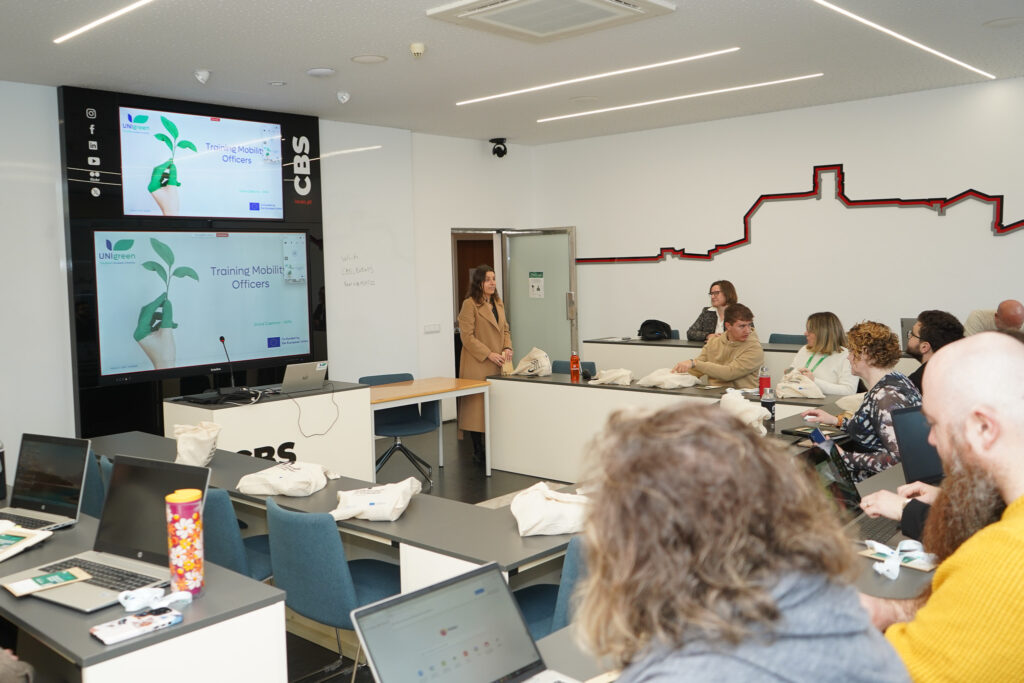
On 3 February, ahead of the Summit, the UNIgreen Training Workshop for Mobility Officers brought together international mobility professionals from all partner institutions.
The workshop served as a strategic opportunity to:- strengthen technical and administrative skills,
- harmonise mobility procedures across the Alliance,
- support UNIgreen’s alignment with European higher education priorities.
A Milestone in UNIgreen’s Path Toward a Fully Integrated European University
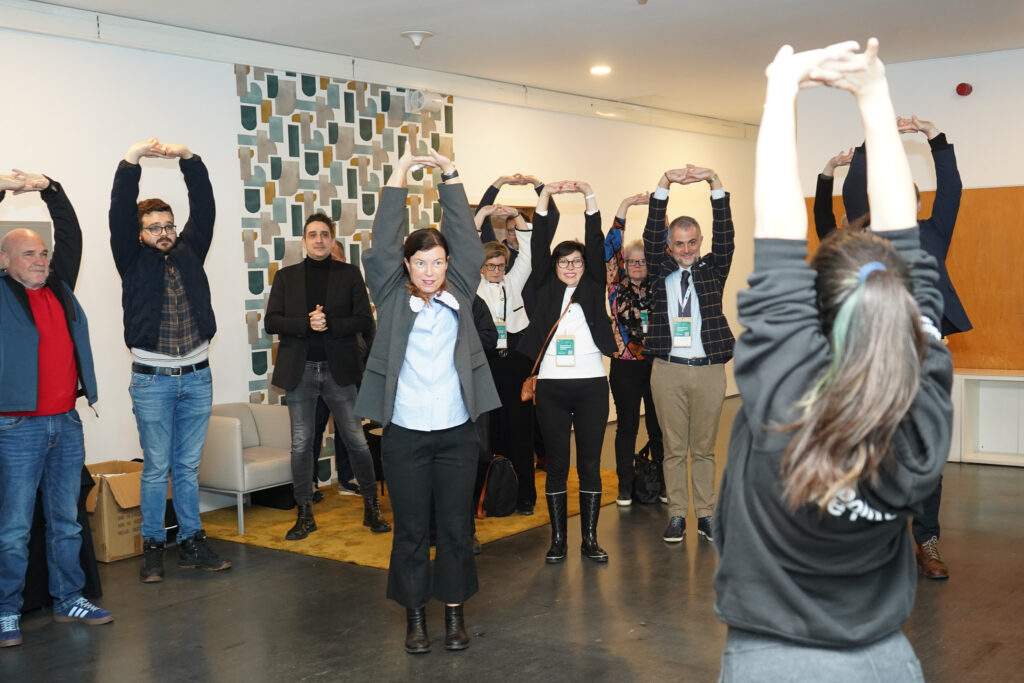
The Coimbra Summit marked a decisive step in UNIgreen’s evolution toward becoming a fully integrated, transnational European University.
With stronger governance, expanded membership, enhanced research and innovation initiatives, and reinforced student participation, the Alliance is well‑positioned to submit a robust renewal proposal to the European Commission, ensuring continuity and long-term impact through 2028.
-

UNIgreen Alliance Hosts Training on Innovative Teaching Approaches at UNIMORE
UNIgreen Alliance hosted Training Activity for professors and teaching staff on Innovative Teaching Approaches at UNIMORE.
From June 18 to 20, teaching staff from Unigreen’s partner institutions gathered in Modena for a dynamic three-day training on Innovative Teaching Approaches, organized by the UNIgreen Alliance in collaboration with the Teaching and Learning Center of the University of Modena and Reggio Emilia (UNIMORE).
I had the chance to present my job at the Inclusion Office at HEPL. “Personally, I found the experience enriching. It was inspiring to engage with educators from different cultural and academic backgrounds and to share perspectives on the future of teaching. I particularly appreciated the hands-on workshops, which provided concrete tools and methods that I can apply in my own context”. The open discussions around inclusivity and adaptability in education really resonated with me and encouraged me to reflect on how she can contribute to more student-centered and future-oriented learning environments.
Cindy Vallée, coordinator of WP5
Held at UNIMORE’s campus in Largo Sant’Eufemia -Department of Studies on Language and Culture, the training offered university educators the opportunity to deepen their knowledge of inclusive, flexible, and competence-based teaching strategies that meet the evolving demands of higher education.
Throughout the program, participants engaged in sessions on project-based and online teaching, instructional design supported by AI, and the integration of sustainability competencies using the Green Comp framework. Key discussions also addressed microcredentials, the ECOBI Model, coaching and mentoring practices, and inclusive strategies to support students with disabilities and learning differences.
I shared my expertise in project-based pedagogy, and tried to make it very concrete, he says. It is important to share good practices between our institutions. It was a huge opportunity and also a good experience.
Thibaut Lamoureux, Coordinator of industrial engineering masters specialized in green chemistry at HEPL
Alongside the academic sessions, participants enjoyed guided tours of Modena’s UNESCO World Heritage Sites and an Italian-style gathering at the university’s Botanical Garden, promoting international collaboration in an informal setting.
We believe that rethinking teaching and learning is key to building the university of tomorrow.
We promoted a shared reflection on how traditional universities can adopt pedagogical practices that ensure both high-quality standards and the flexibility required by today’s national and international educational landscapes.
One of our key priorities was addressing sustainability in teaching, aligning with UNIgreen’s broader mission of building a more sustainable future. We dedicated a specific session to exploring how sustainability can be meaningfully integrated into academic programs.
Prof. Daniela Quaglino, Coordinator of UNIgreen Work Package 2 – Teaching and Learning and Professor at UNIMORE
This training reaffirmed UNIgreen’s commitment to transforming higher education through pedagogical innovation, cross-border cooperation, and inclusive excellence.
-
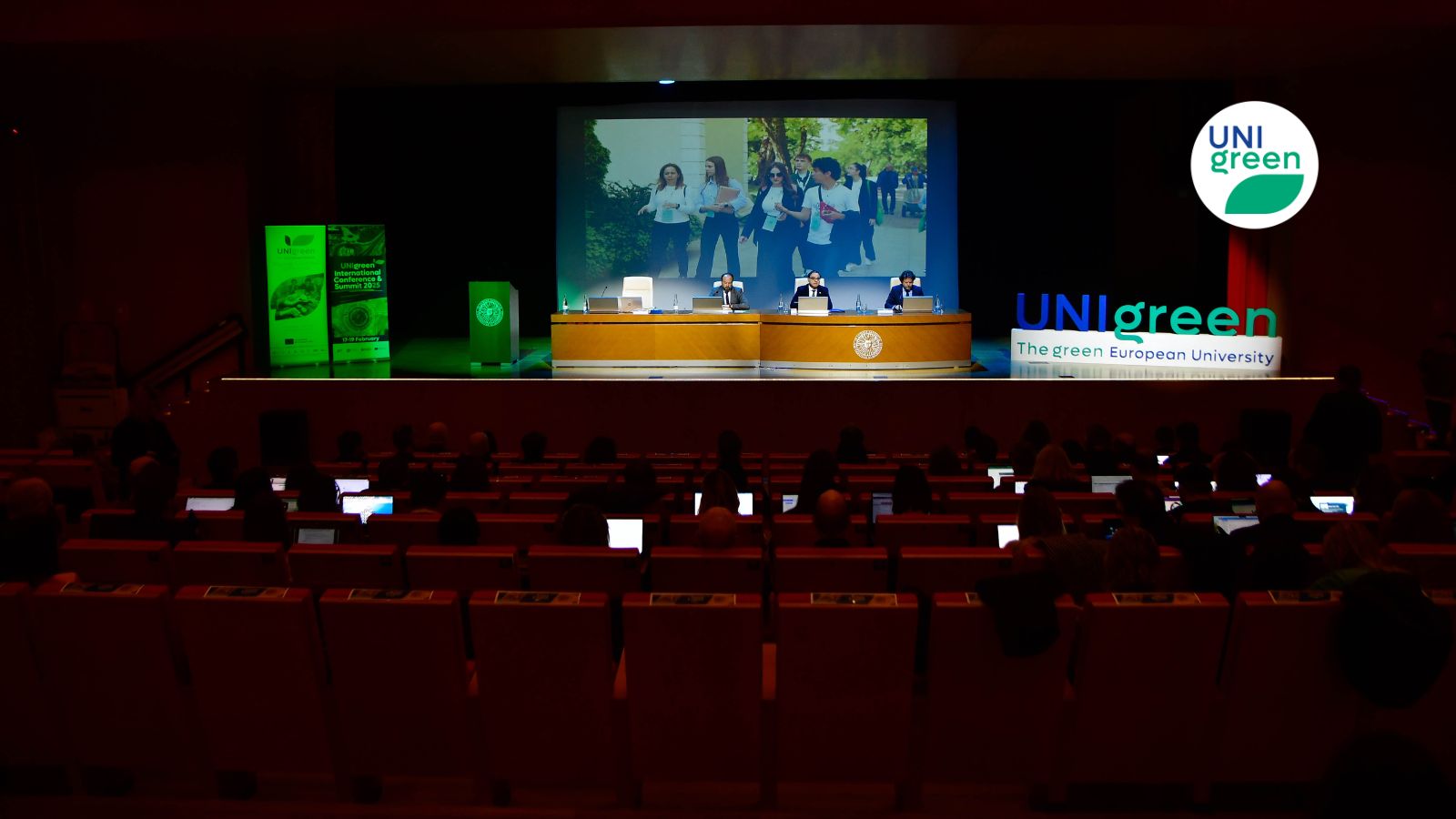
UNIgreen Annual Conference and Summit
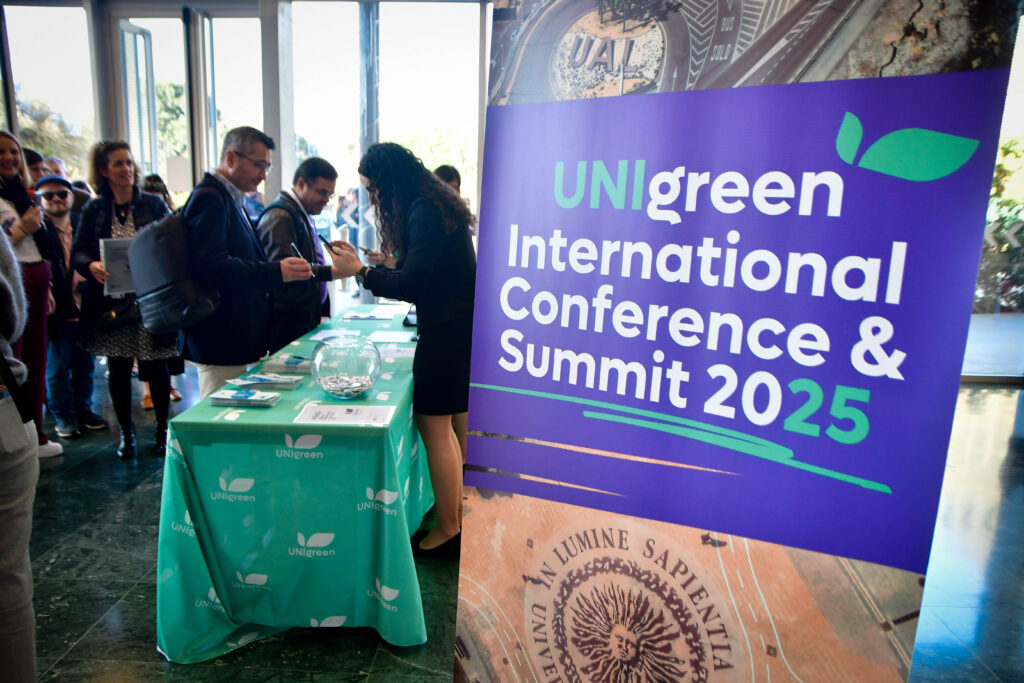
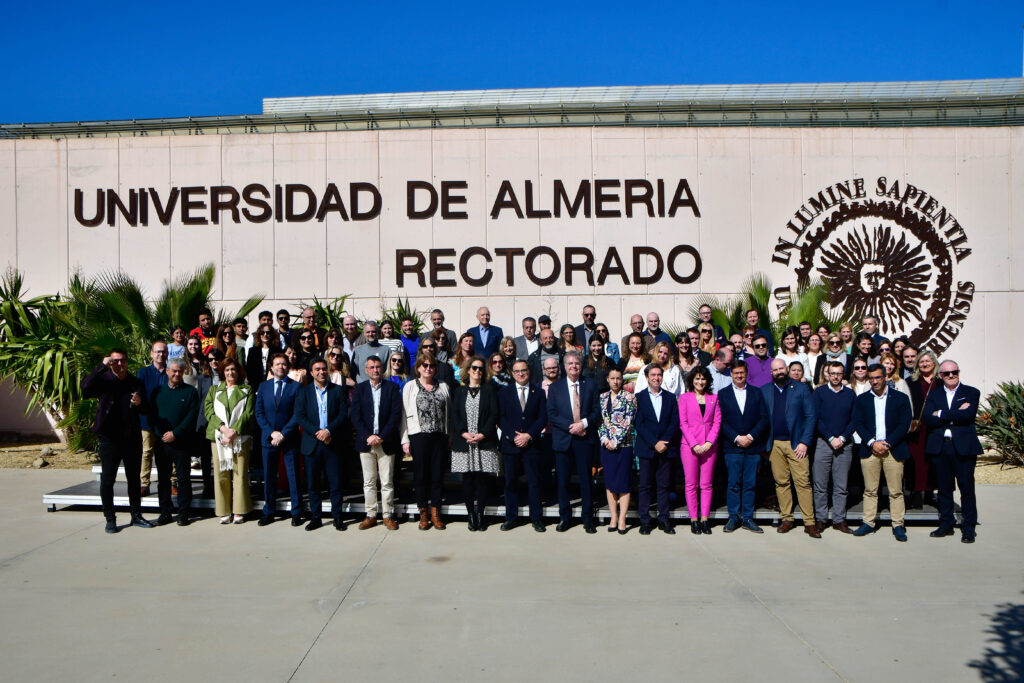
From 17 to 19 February 2025, the picturesque campus of the University of Almeria, offering a breathtaking view of the Mediterranean Sea, hosted the annual UNIgreen conference and summit—one of the most significant events bringing together the UNIgreen community from all eight partner universities. UNIgreen is an alliance of European universities established to create a shared space for research, knowledge exchange, and innovation—crucial in addressing the challenges posed by the climate crisis and the rapidly evolving labour market. Its mission is to integrate partners from different countries, facilitate the free movement of students and researchers, and support projects that translate research findings into strategic, practical solutions. This year’s edition in Almeria not only celebrated past achievements but also set new directions for the future.
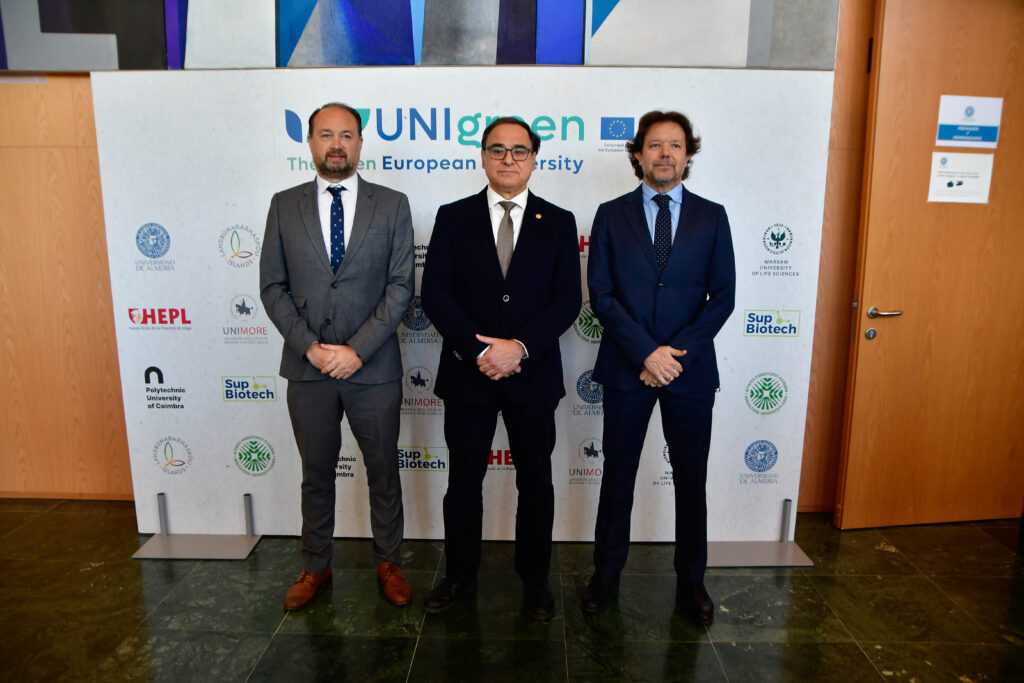
The first day of the meeting commenced with a formal welcome by the Rector of the University of Almeria, José J. Céspedes Lorente, who introduced participants to the conference topics, emphasising the importance of the UNIgreen project in advancing innovative scientific research. Next, Ramón Herrera de Las Heras, Secretary General for Higher Education in the Andalusian Government, who was attending a UNIgreen event for the second time, took the floor. His speech focused on the growing significance of internationalisation in higher education. Following this, the main coordinator of the UNIgreen project, Prof. Tomás Lorenzana (UAL), reflected on the signing of the inter-university agreement on 17 February 2022 – a date symbolising the birth of the UNIgreen alliance, now commemorated annually as UNIgreen Day across partner universities. Lorenzana highlighted the importance of developing skills, values, and knowledge within the academic community to tackle the global climate crisis. He also underlined the role of associate partners, whose local initiatives provide invaluable contributions to the development and implementation of innovative solutions.


The next speaker was Prof. Mariusz Maciejczak (SGGW), who coordinates within the project the work package dedicated to research, development, and innovation. At the outset of his speech, he elaborated on the meaning of the alliance’s name, explaining that the prefix “UNI” does not solely refer to “university” but also to “union,” representing the close collaboration between scientific institutions. The core idea is to create a union of researchers and scientists who can share knowledge, experiences, and resources. In this context, Prof. Maciejczak presented the structure and operational principles of the Joint Research Centre, which enables cooperation among partner university scientists within eight thematic divisions. He also stressed the importance of collaboration, which fosters added value emerging at the intersection of various, often interdisciplinary, research areas.
Another part of the conference was dedicated to investments and research conducted by UNIgreen’s Associate Partners in the Almería region. José Antonio Aliaga Mateos, Secretary-General for Agriculture in the Province of Almeria, highlighted that the region’s greenhouses cover 32,200 hectares and are visible even from space. Aliaga emphasised the need to enhance technological efficiency and address the challenges of a shortage of technically skilled workers.
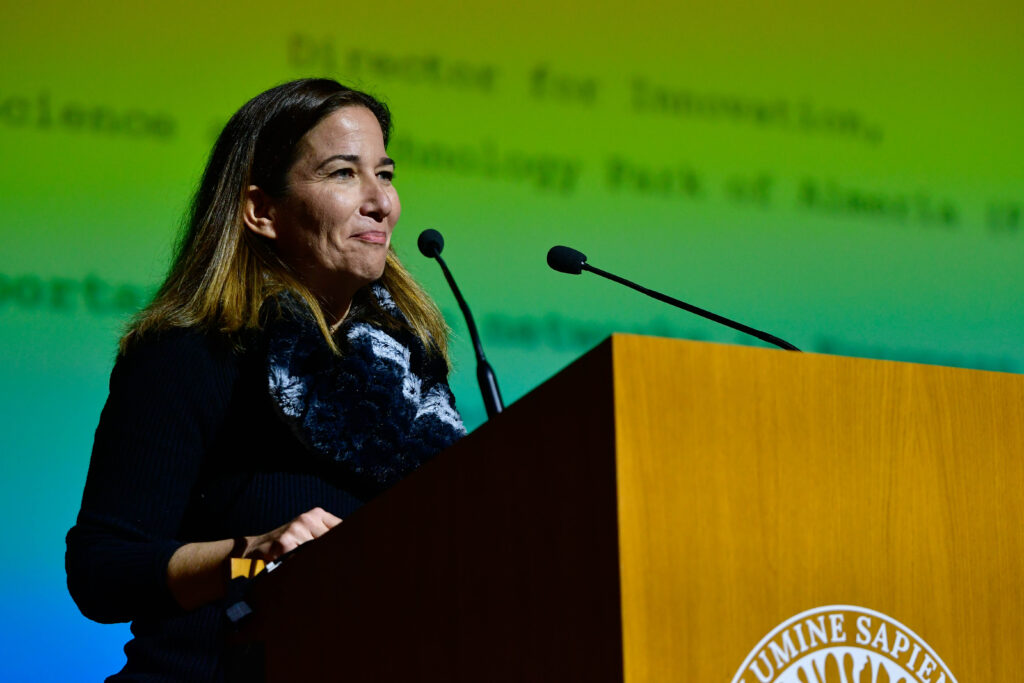
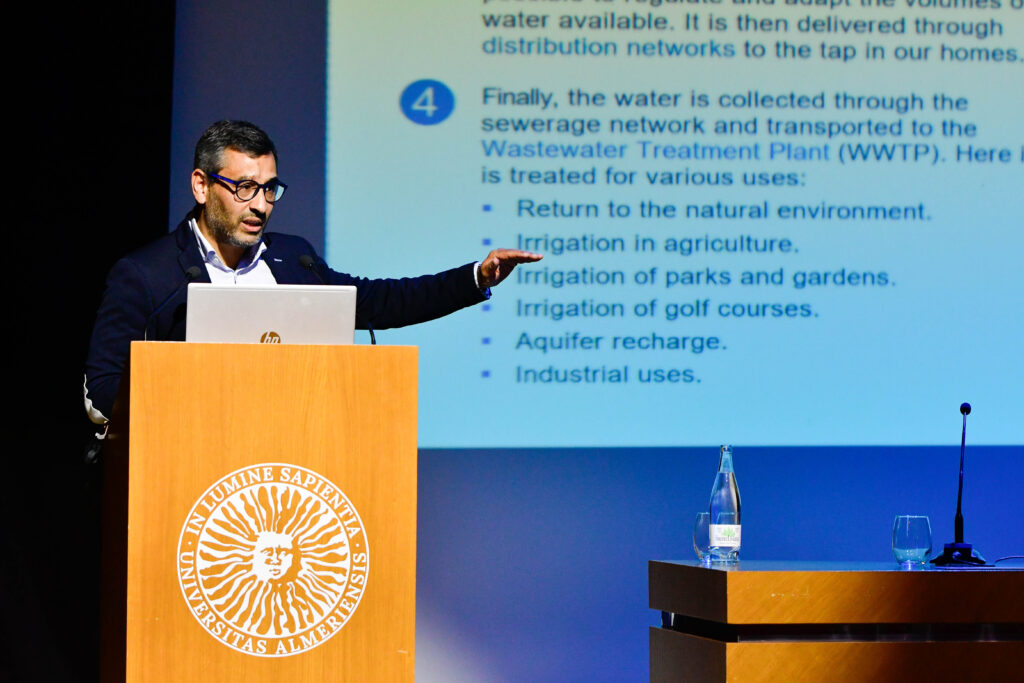
Participants also had the opportunity to explore the research achievements of local alliance partners. Presentations covered modern greenhouse cultivation technologies, water recovery methods, and the use of biotechnology in agriculture. Dr. Zouhayr Arbib, Director of Sustainability at the University of Almeria’s Department of Innovation and Technology delivered a particularly intriguing lecture. He discussed methods for increasing water circulation efficiency, developed in collaboration with Aqualia, a global leader company in water resource management. His presentation demonstrated how innovative technologies could significantly improve water management efficiency – an especially pressing issue in the Almeria region. Biotechnology was also a key topic. Dr. Joaquin Pozo, a UAL graduate and Director of Research and Development at the company Biorizon Biotech, presented innovative microalgae-based solutions used in biostimulant and biopesticide production. His presentation exemplified how close collaboration between academia and industry can lead to groundbreaking products with a real impact on agricultural efficiency and sustainable development.
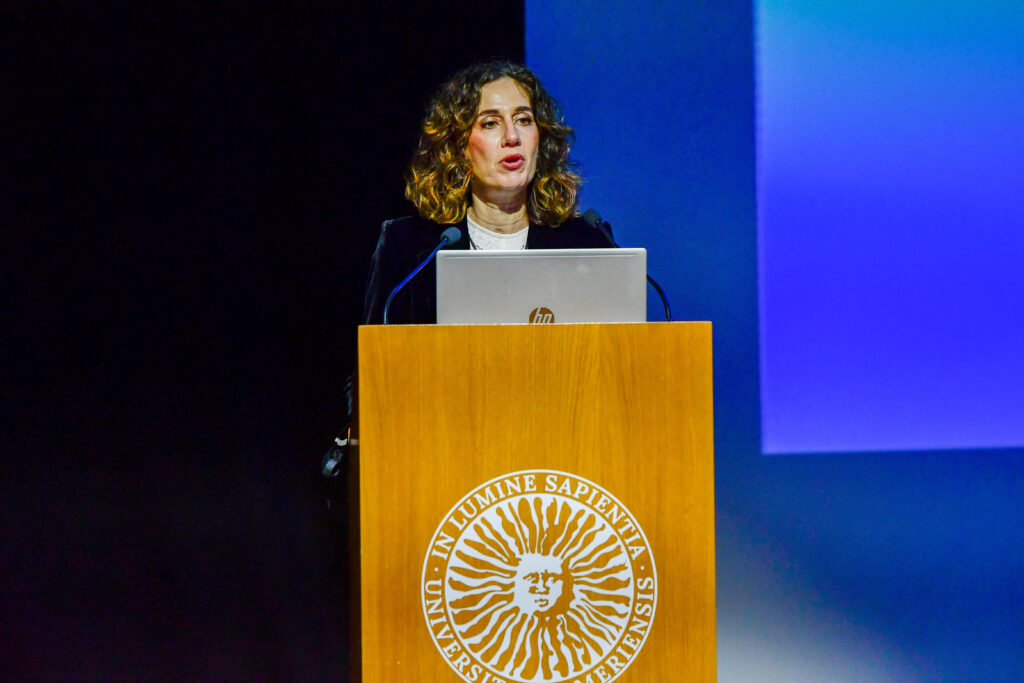
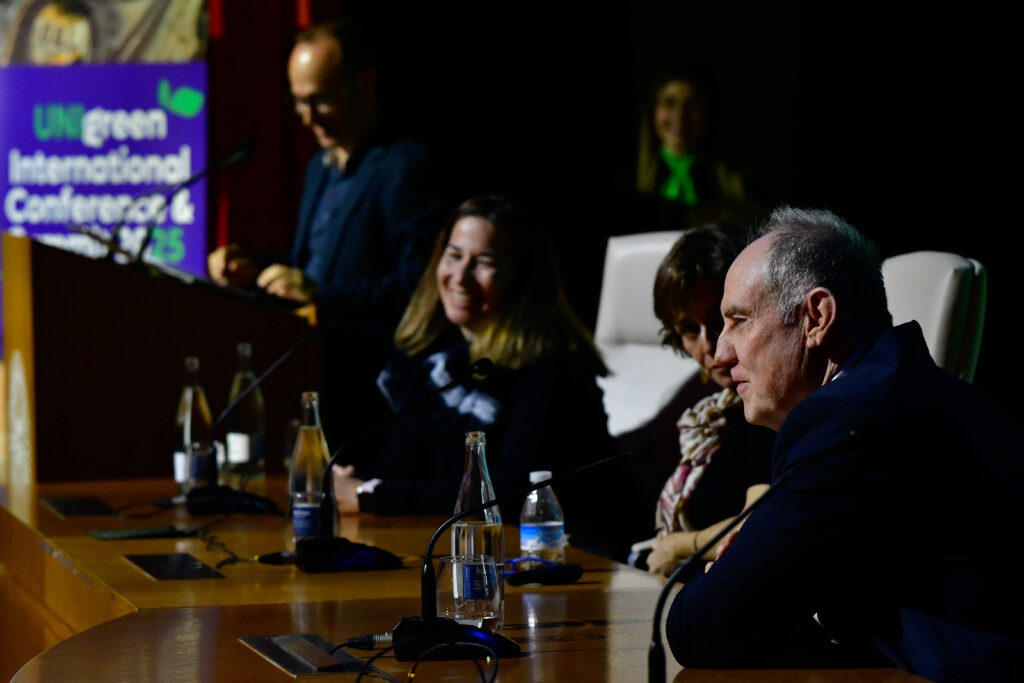
As an accompanying event to the conference, a tour of the Finca Anecoop-UAL farm was organised. This farm is a joint initiative of Anecoop, one of the largest agri-food cooperatives in Spain, and the University of Almería. This large experimental farm conducts research on the cultivation of various plant species, including papaya and pitahaya. Research in this field is led by Prof. Julián Cuevas, who guided participants through the greenhouses.
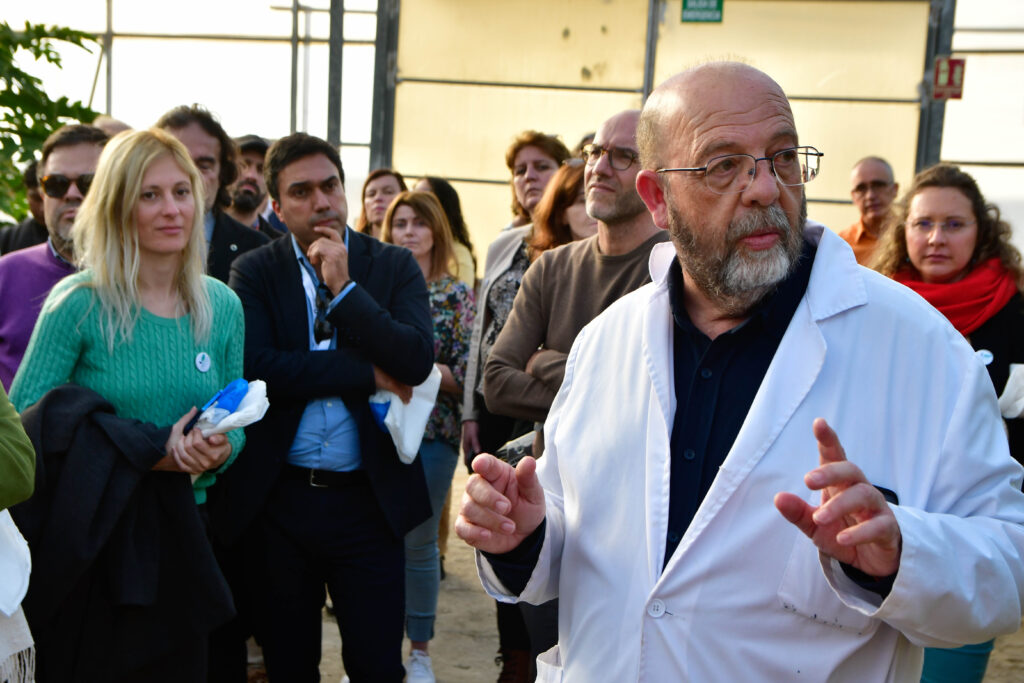
The following days, 18-19 February, were dedicated to the UNIgreen Annual Summit, where Rectors and Presidents of partner universities (forming the General Assembly), members of the Board of Directors, the Pedagogical and Scientific Councils, and key project coordinators convened. Additionally, working meetings were held for two teams coordinated by the Spanish university: one responsible for alliance management and the other for digitalisation and the development of the Virtual Campus. The primary objective of the Summit was to review past activities within the alliance, discuss current challenges, and prepare for the next year of work.
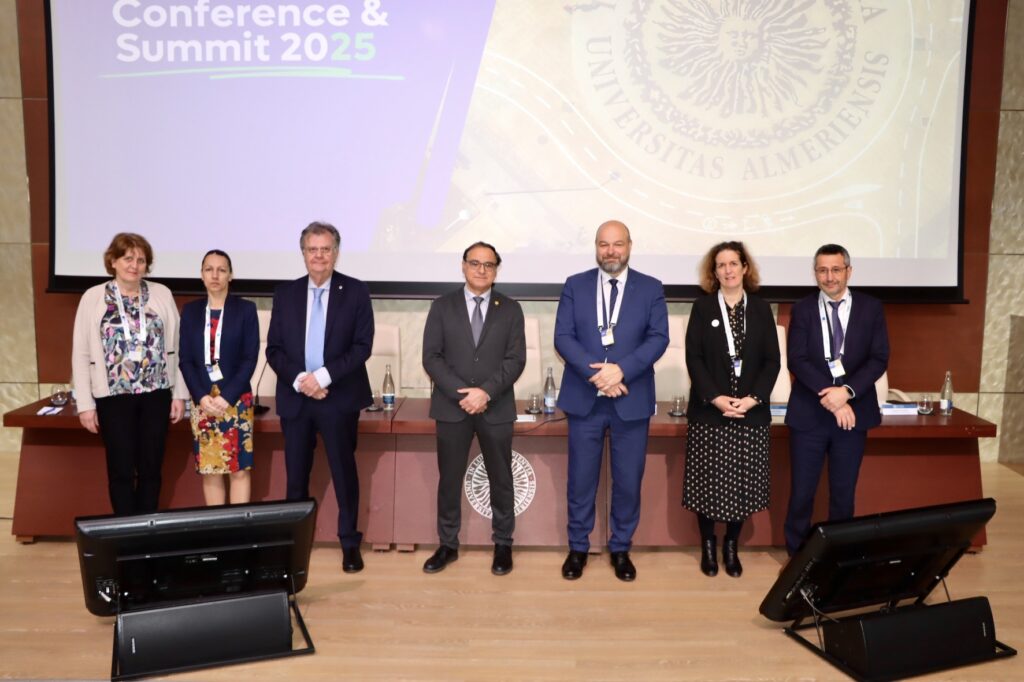
A key highlight of the first day of the Summit was the personnel changes within the UNIgreen alliance. Of particular significance was the appointment of Prof. Michał Zasada, Rector of the Warsaw University of Life Sciences (SGGW), as Co-Chair of the General Assembly – the alliance’s highest decision-making body. Rector Zasada’s experience and vision for modern higher education are regarded as crucial assets that will contribute to the dynamic development of the Green European University in the coming years. As he emphasised: “This role involves actively monitoring the progress of the alliance’s initiatives, defining its future direction, strategy, and overall policy. A major challenge will also be determining the alliance’s operational framework for the project’s continuation from 2027-2030. For instance, we must decide in which direction – geographically as well – the UNIgreen alliance should expand.” The Chair of the General Assembly remains the Rector of the University of Modena and Reggio Emilia (Unimore), Prof. Carlo Adolfo Porro.
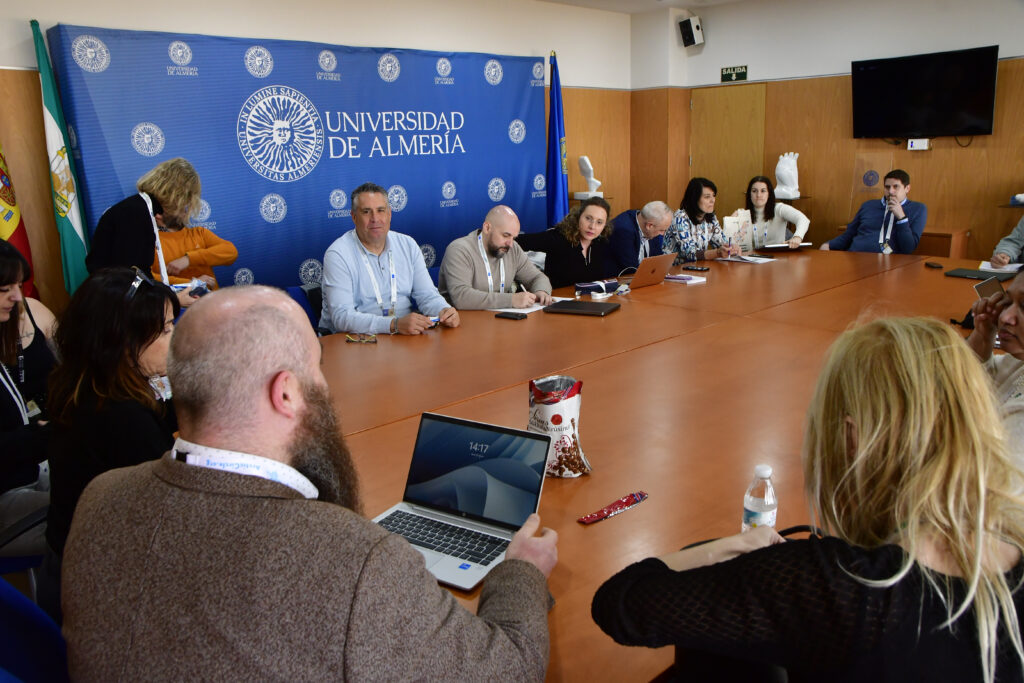
During the Board of Directors meeting, appointments for the positions of Chair and Co-Chair were confirmed. The incumbents remained unchanged: Prof. Tomás Lorenzana from UAL was reappointed as Chair, while Prof. Marta Mendel from SGGW continued as Co-Chair. In addition to the changes in management structures, during the summit, decisions were also made regarding new nominations for two alliance commissions, whose tasks are primarily consultative and opinion-forming. The Scientific Council welcomed Dr Frank Yates from SupBiotech and Ana Cristina Araújo Veloso from PUC, both of whom bring fresh perspectives and expertise to support the implementation of the latest research solutions. Meanwhile, the Pedagogical Council welcomed Mathilde Tailler from HEPL and Jón Hjálti Eiríksson from AUI, whose presence aims to strengthen inter-university collaboration and better prepare students for future challenges.
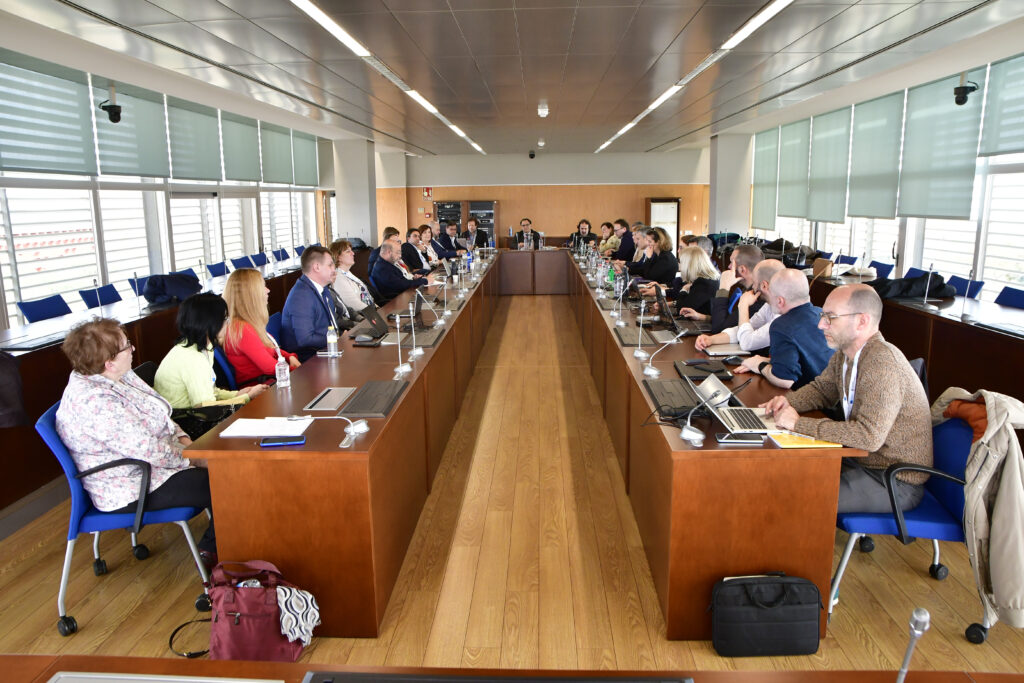
The conference’s final day, 19 February, featured a series of technical meetings discussing topics such as researchers’ mobility within the Joint Research Centre, the alliance’s internal and external communication strategy, and methods to enhance the alliance’s visibility within the academic community. All discussions – both plenary and informal – confirmed that UNIgreen is not merely a research project but a dynamic, collaborative platform that unites universities in their shared goal: to build a modern, integrated, and innovative higher education system. Participants unanimously emphasised that regular in-person meetings, experience exchange, and close cooperation are essential for achieving the alliance’s ambitious objectives.
-

UNIgreen at the European Student Assembly
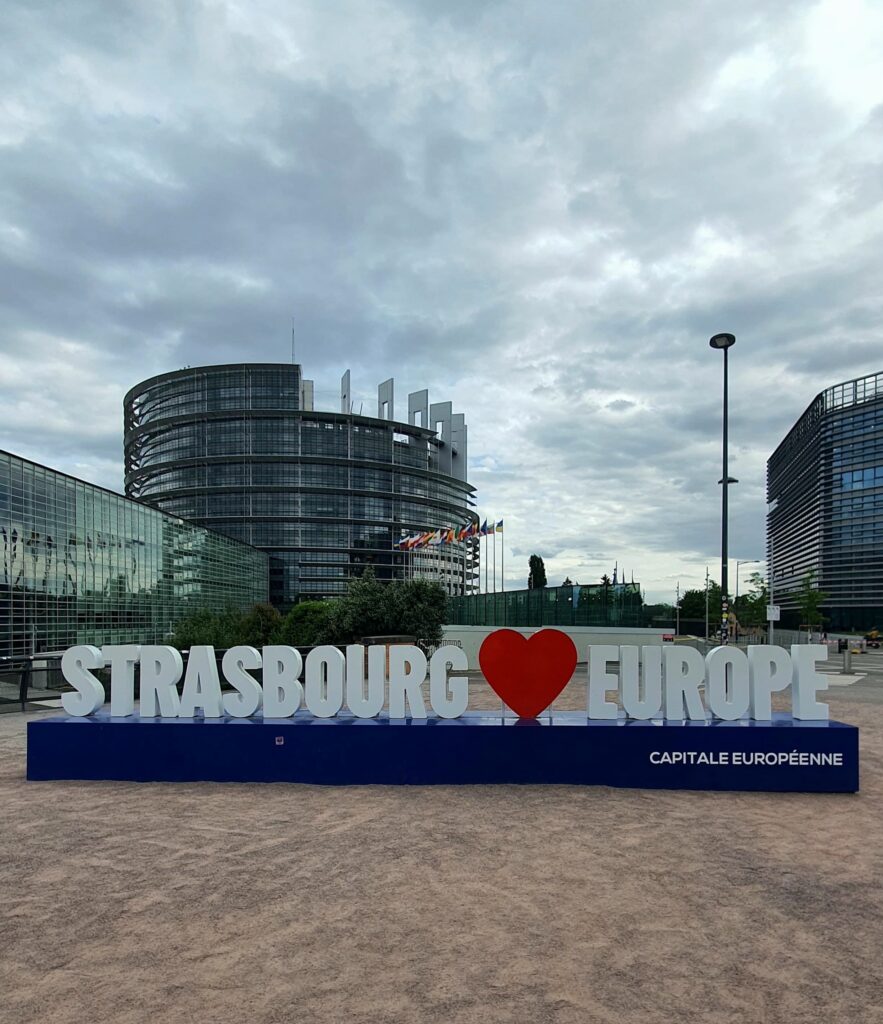
From 26 to 28th May, the annual European Student Assembly took place at the European Parliament in Strasbourg. This initiative from EUC Voices Erasmus+ project aims to bring together 230 students around key topics concerning the future of Europe.
The goal of the event was to imagine and propose concrete policies that could later be developed by the European government, concerning 8 topics related to the future of Europe and European students.
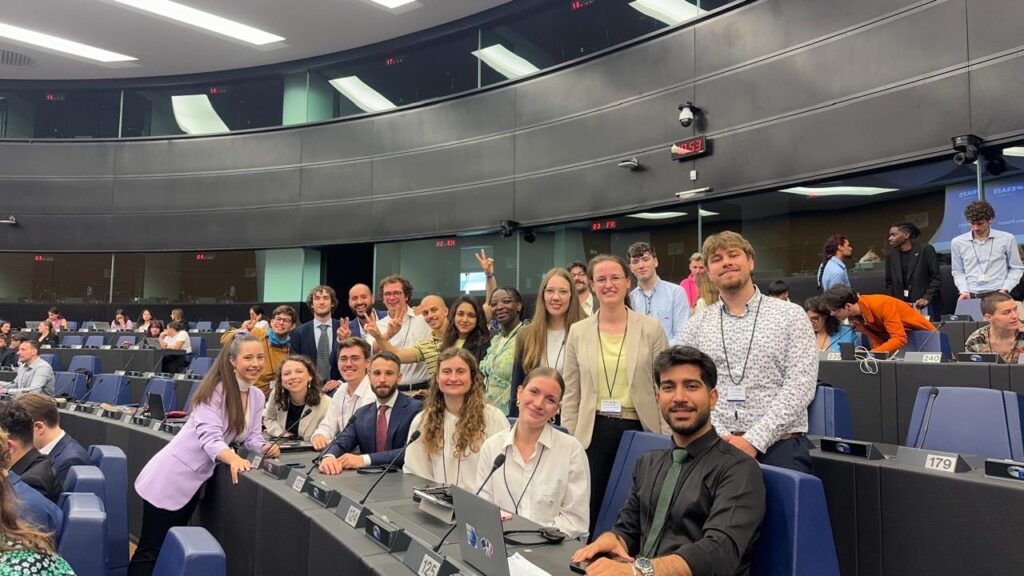
From February to May 2025, the selected ones worked remotely with members of other alliances and also experts to deepen their knowledge about the political and legal context and to share their opinion about it.
Then, during the event, each student could listen to each other’s policies and then discuss to improve them all together. Finally, the week ended in a voting process on all recommendations. They know will have to prepare and participate to dissemination activities.

Ricarda Voka Lukensu
UNIgreen ambassador at HEPL, was there to represent our Alliance.
“It was a great opportunity to meet other people and share about our experiences within our Alliances”,
she shares.