
-
Equality Days at PUC
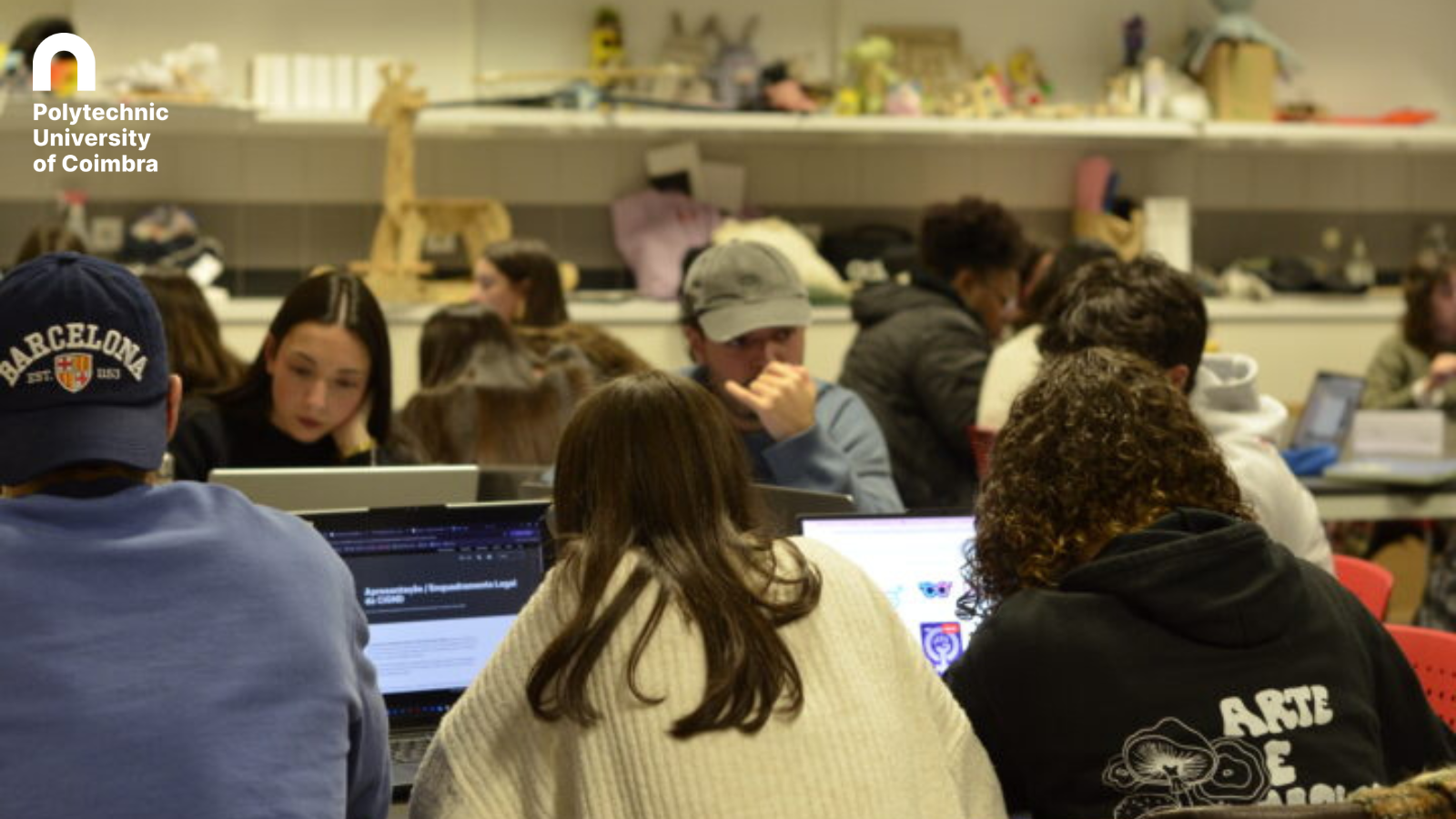
As part of the UNIgreen Equality Days initiative, a group of students from the School of Education of the Polytechnic University of Coimbra created an awareness campaign during the 7th edition of ‘Design for Them’, a Social Design project that brings together students and teachers from the areas of Art and Design, Communication, Multimedia Design and Organisational Communication, in a session that took place on 26th November.
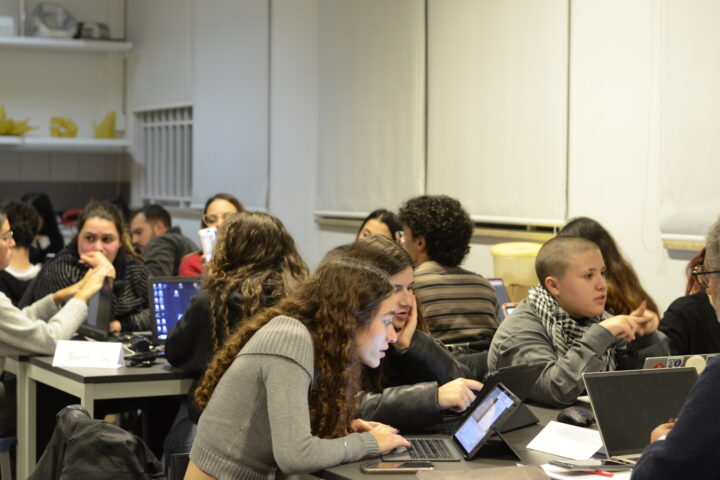
The campaign, focused on the theme of intersectionality, a concept that explains how different forms of inequality and discrimination (racism, sexism, classism, homophobia, transphobia, xenophobia, among others) can intersect and simultaneously affect a person’s life, had the contribution of WP5, PUC’s working group for the area of ‘Diversity, Inclusion and Multiculturalism’, within the scope of UNIgreen. The participation of Erasmus students from different cultural backgrounds brought a European and intercultural dimension, promoting dialogue on inclusion, diversity and fairer visual representations.
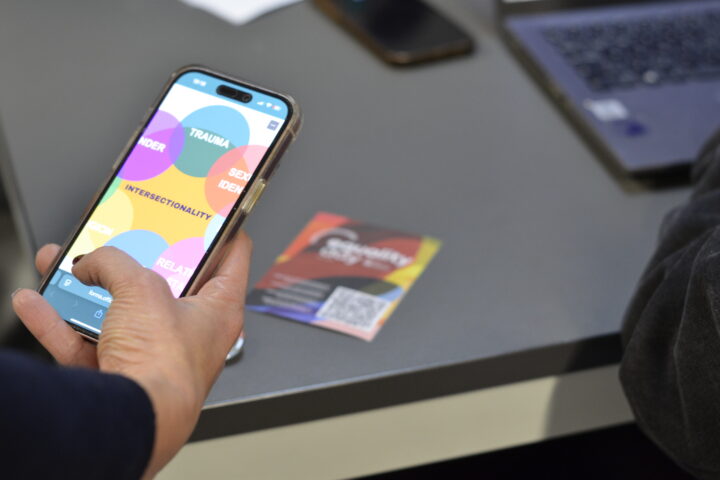
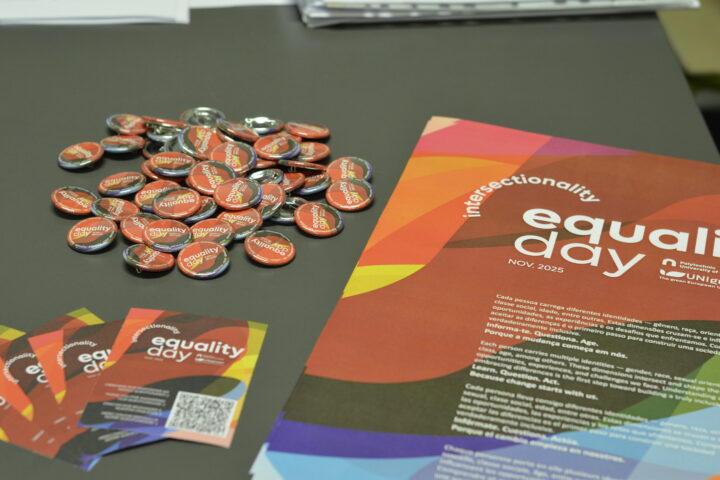
The campaign seeks to encourage the academic community to reflect, question and act, reinforcing, under the slogan ‘Change begins with us’, the role of design as a tool for citizenship, social responsibility, intercultural dialogue and social transformation. It is an initiative that combines creativity, social awareness and collaborative learning, highlighting the contribution of design to promoting positive change in the community.
-
Erasmus Days 2025 at SupBiotech: Inspiring First Edition!
At SupBiotech, international mobility is at the heart of the student experience. Every year, many of our students have the opportunity to study or conduct internship abroad through our European partner universities and our participation in the UNIgreen Alliance, a network of higher education institutions that fosters collaboration, sustainability, and innovation across Europe.
Through these partnerships, students can broaden their academic horizons, discover new cultures, and strengthen their professional and linguistic skills.This year, SupBiotech proudly celebrated its very first edition of the Erasmus Days, a European-wide event dedicated to promoting international mobility, cultural diversity, and the spirit of openness that defines the Erasmus+ program.
What Are the Erasmus Days?
Held annually across more than 80 countries, the Erasmus Days celebrate the values of mobility, diversity, and European cooperation.
The 2025 theme, “Building Europe Together”, invited participants to reflect on how education and collaboration can shape the Europe of tomorrow.For students and staff alike, these days are an opportunity to share experiences abroad, discover new cultures, and inspire others to embark on their own international journey.
An International Lunch to Bring Everyone Together
To mark this special occasion, SupBiotech organized an “International Lunch”, bringing together international students, exchange students from across France, and the wider SupBiotech community.
The event was a great moment of conviviality and intercultural exchange.
All the sandwiches and snacks were prepared by the student association Brasserie Parisienne, showcasing the strong student involvement and community spirit that make our campus so vibrant.A Fun Quiz to Test Knowledge About Europe and SupBiotech
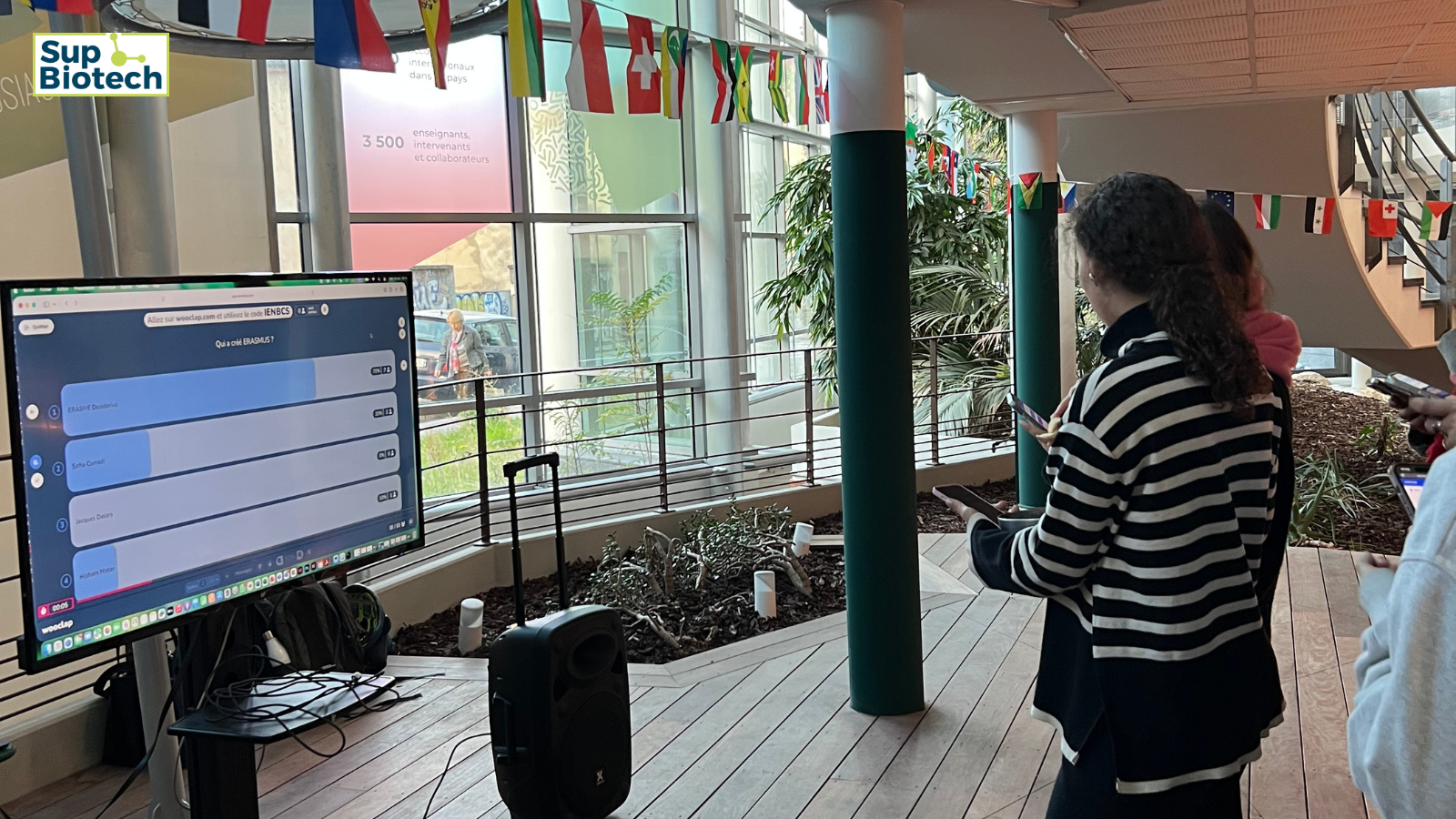
The celebration continued with a Europe and SupBiotech Quiz, open to everyone students, faculty, and administrative staff.
The activity was a huge success, attracting nearly 200 participants eager to test their knowledge in a fun and friendly atmosphere.The winners walked away with some amazing prizes:
- For staff members: an Erasmus+ training opportunity, a 4-day Interrail pass, and a Patagonia gift card.
- For students: a ticket to the UNIgreen Festival, a 4-day Interrail pass, and a Patagonia gift card.
UNIgreen: A European Student Festival
The UNIgreen Festival is a one-of-a-kind European event bringing together students from all over Europe around music, sustainability, and the Erasmus+ spirit.
It’s a celebration of youth, ecology, and cultural diversity, combining concerts, workshops, and networking opportunities in a festive, eco-conscious atmosphere.
Winning a ticket to UNIgreen is much more than just a prize: it’s a chance to experience Europe in a unique way, meeting students from across the continent who share the same curiosity, creativity, and openness to the world.A Successful First Edition and More to Come…….
This first edition of the Erasmus Days at SupBiotech was a real success, filled with smiles, discoveries, and shared experiences.
Students, staff, and organizers alike were delighted to take part in such a positive and unifying event.The International Relations & UNIgreen team and the student associations are already looking forward to next year’s edition, to keep promoting international mobility and the European spirit within our school.
-

European Commission announces 1.25 billion EUR to support research
The European Commission recently announced the allocation of more than 1.25 billion euros in funds under the Marie Sklodowska-Curie Actions (MSCA) as part of the prestigious Horizon Europe programme.
These funds will support excellent research and development in all fields of science, providing for about ten thousand researchers from the whole world at their various stages of their careers.
The first in a series of calls opened recently, highlighting three pivotal opportunities:
- MSCA Postdoctoral Fellowships: With a budget of €417.2 million, these fellowships aim to foster career advancement for experienced researchers by providing opportunities to work internationally and across sectors. The application window will close on 11 September.
- MSCA COFUND: This call supports the creation and enhancement of doctoral and postdoctoral programmes by co-funding them alongside institutional funding, with a budget of €104.8 million. Applications are open until 26 September.
- Feedback to Policy initiative: Opening with a €2 million budget, this initiative seeks to link MSCA projects with EU policy priorities, enhancing their visibility and impact. The closing date for applications is 3 September.
Additional calls are on the horizon, including:
- MSCA Doctoral Networks: Starting on 29 May with a budget of €608.6 million, this initiative will foster training and recruitment of doctoral candidates across academia and other sectors, potentially culminating in joint degrees. The call will close on 27 November.
- MSCA Staff Exchanges: With a budget of €99.47 million, this call opening on 19 September will promote international and inter-sectoral knowledge exchange, closing on 5 February 2025.
These initiatives not only enhance research capacity but also align with the European Commission’s broader goals under the Coalition for Advancing Research Assessment, promoting a comprehensive definition of excellence and varied research careers.
For more details, please visit: https://ec.europa.eu/commission/presscorner/detail/en/ip_24_2252
-
European Student Ambassador Forum 2024: Feedback from Simon Houdouin
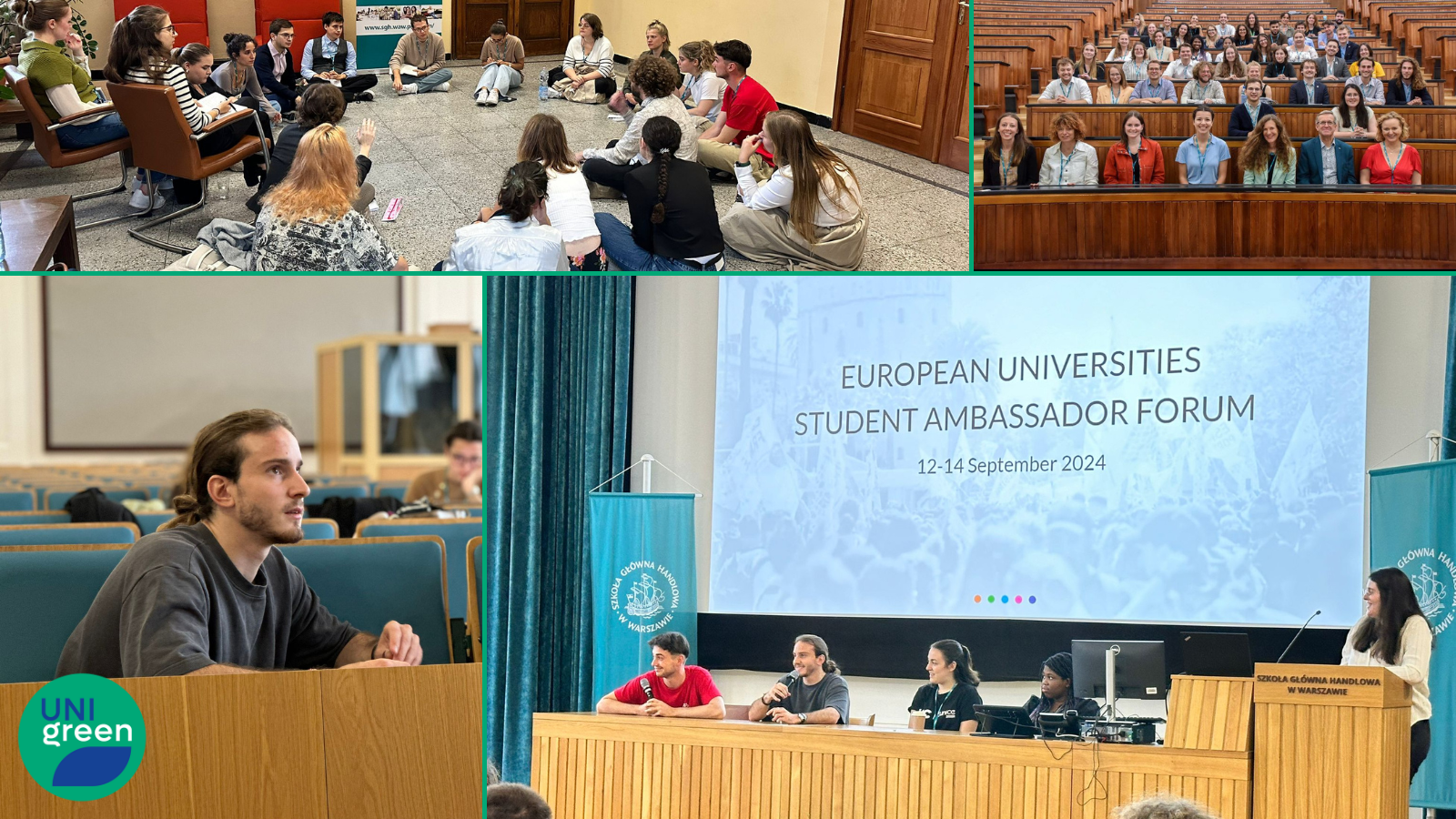
From 12 to 14 September, I had the opportunity to represent UNIgreen at the European Student Ambassador Forum (EUSAF) 2024. Organised by the Erasmus Student Network (ESN), the forum brought together students from across Europe, creating a dynamic platform to exchange visions, experiences and views on higher education and the workings of the alliances we all represented.
During the forum, we took part in various workshops, including brainstorming sessions in small groups, discussions in large teams and debates in lecture theatres. One of the main activities was a poster competition where each participant had to present their alliance. I won third place, which gave me the chance to take part in an additional debate. This opportunity allowed me to speak in more depth about UNIgreen and to defend the values of sustainability that our alliance supports in front of the whole assembly.
Beyond these structured sessions, the forum was an incredible human adventure. I met over 50 students from countries as diverse as Iceland, Estonia, Croatia, Norway and Portugal. We shared our ideas, compared our values and often discovered that, despite our different backgrounds, we had similar convictions.
I would like to warmly thank the ESN Erasmus student network for all their work in organising this event. The forum added another stone to the edifice of creating a European identity, reinforcing the importance of unity and common purpose among students.
Simon HOUDOUIN
UNIgreen Ambassador – SupBiotech Engineering School of Biotechnology
-
European Universities alliances unite to create a joint Community of Practice
European Universities alliances are joining forces in a project called FOR-EU4All. The project brings together all current and future European Universities alliances—numbering over 60—into a unified, cohesive structure. The goal is to foster a collaborative and supportive environment where best practices and experiences can be shared not only among the alliances themselves but also with the broader European Higher Education (HE) sector.
As flagships of the European Education Area (EEA) and the European Research Area (ERA), European Universities alliances are leading the way in developing new and innovative concepts for deep transnational institutional cooperation to stimulate long-lasting transformation of European higher education as a whole.
Evolution of the FOR-EU Network
The informal alliance network FORum of European Universities (FOR-EU) has been in place since the start of the European Universities initiative (EUI). Alliance experts have been brought together across countries and institutions to form active communities on strategic topics, such as education cooperation, governance, research & innovation dimension of alliances, or student engagement. FOR-EU has currently 20+ subgroups in place and different parallel fora where the coordinators and alliances’ experts meet. Due to the increasingly large-scale nature and impact of the EUI, a merger of all FOR-EU groups is now necessary, and dedicated resources are required.
Formalising Collaboration
FOR-EU4All will reflect the fruitful collaboration and related extensive expertise that exists in FOR-EU. It will merge, formalise, and scale up the informal processes and structures that naturally developed over the past four years, and focus on supporting efficient administration, coordination, communication and dissemination. Moreover, FOR-EU4All will strongly focus on linkages with the wider HE sector, collaboration with existing networks and stakeholder representatives, as well as engagement with decision-makers on both achievements and challenges related to the EUI. This is also reflected in the project name, we simply are stronger together. Outreach activities and the dissemination of good practices and learnings are expected to help bringing transnational cooperation in HE in Europe to the next level.
Commitment to EEA and ERA Objectives
European Universities alliances are committed to contributing to the realisation of both the EEA and ERA policy objectives. In collaboration with stakeholders, this project will furthermore focus on addressing challenges to transnational collaboration that persist in the EHEA to date – ranging from joint educational provision to mobility as well as digital and R&I collaboration. With FOR-EU4All, alliances are committed to working together with each other, with relevant stakeholders and policy-makers to overcome obstacles to transnational collaboration and to realise the long-lasting transformation of European higher education.
The FOR-EU4All project has been awarded 1.8 million euros by the European Commission and should last 48 months, starting on the 1st of November 2024. The European University Association – EUA, the European Students’ Union – ESU, the European Association for Quality Assurance in Higher Education – ENQA, the European Association of Institutions in Higher Education – EURASHE and the Erasmus Student Network – ESN are associated partner of the project.
-
First Scientific Article Published by UNIgreen
Exciting News: first scientific article on Microalgae as a Sustainable Animal Feed Supplement!
Scientists from UNIgreen: the University of Almeria, and the University of Modena and Reggio Emilia, along with colleagues from Argentina, have published groundbreaking research on the potential of microalgae as a sustainable supplement in animal feed. This innovative approach aims to enhance food security, especially in arid regions.
The study, titled “Leveraging Microalgae to Achieve Zero Hunger: Enhancing Livestock Feed for Nutritional Security” authored by Leila Isabel Urrutia-Mazzuca, Marcia Mazzuca, María José Ibáñez-González, and Tania Mazzuca Sobczuk, was published in Biomass this January 2025.
The research highlights that microalgae are rich in proteins, carbohydrates, lipids, minerals, and vitamins, making them a valuable addition to livestock diets. Thus, incorporating microalgae can enhance animal health, boost productivity, and improve the nutritional quality of animal products. For instance, supplementing the diet of a 22-goat herd with approximately 88 grams of microalgae per day can enrich meat with polyunsaturated fatty acids, benefiting both producers and consumers.

The study also addresses challenges such as economic costs, processing requirements, and resistance to changing traditional feeding practices. It suggests that small-scale, semi-continuous microalgae cultivation systems could enable local farmers to produce sufficient biomass using available agricultural resources efficiently. This approach supports food security, improves meat quality, and strengthens community resilience, particularly in regions disproportionately affected by climate change and water scarcity.
Collaboration among researchers, extension services, and local farmers is deemed essential to ensure the effective adoption of microalgae feed systems. By integrating microalgae into livestock feed, communities can move closer to achieving the United Nations’ Sustainable Development Goal of Zero Hunger, promoting sustainable agriculture and enhancing nutritional well-being.
-

Five Ecoteams born at HEPL
In a context marked by an ecological and social emergency, the University-College of the Province of Liège (Belgium) once again affirms its commitment to sustainable development by establishing Ecoteams. The principle: to bring together committed teams with the aim of integrating eco-responsible practices across our various campuses.
These Ecoteams have a dual objective: to raise awareness throughout the community about the challenges of the ecological and social transition, and to promote tangible actions that benefit the planet, our work environment, and the community as a whole. They work in synergy with other HEPL bodies to reduce the institution’s environmental impact while strengthening social ties and a sense of belonging.

Their actions cover a variety of areas: soft mobility, waste sorting, well-being and conviviality in study and workplaces, awareness of the Sustainable Development Goals (SDGs), biodiversity preservation, and are aligned with HEPL’s participation in the UNIgreen Alliance for a green and sustainable European University.

Currently, five Ecoteams are already active: those of the Erasmus House, Gloesener, La Reid, Beekman and Campus 2000 sites.
-

Forum of European University Alliances in Wrocław
The Forum of European University Alliances, held on 12–13 June 2025 in Wrocław under the Polish Presidency of the Council of the EU, provided an important opportunity for the exchange of experiences and insights among various stakeholders involved in this flagship initiative of the European Commission.
The event gathered over 300 participants, representing 73 European University Alliances (including 8 alliances awarded the “Seal of Excellence”), as well as representatives of the European Commission and key stakeholders from the higher education sector. The discussions focused on the further development of the European Universities Initiative, the implementation of new strategic solutions, and responses to geopolitical challenges affecting academic cooperation.
The Forum took place at a crucial moment—when European university cooperation is gradually transitioning from the phase of vision and experimentation to the delivery of concrete outcomes and lasting structures. Participants discussed the transformative potential of this initiative, which is slowly evolving from a project-based model toward a structural change in international university collaboration.
Special attention was given to the concept of the “Union of Skills” – a new strategy announced by the European Commission in March 2025, aimed at strengthening Europe’s competitiveness through investment in human capital and addressing skills shortages in STEM and ICT areas.
-
From Harmonisation to Integration: Foundations for a European Degree
Opinion Article by Prof Dr Tomás Lorenzana
After long time discussing about the creation of a European degree, past 27th March the European Commission published the so called “2024 European Degree Package”, that contains the communication on a Blueprint for a European Degree as well as two proposals for two Council recommendations, regarding, on the one hand, quality assurance and recognition system, and, on the other, attractive and sustainable careers in Higher Education.
The three initiatives unveiled by the European Commission, and the Blueprint for a European Degree in particular, emerge as an answer to the existing legal and administrative barriers that prevent European University Alliances from issuing joint degrees, to facilitate the creation of a European degree: a new type of joint programme that a group of Higher Education Institutions may award on a voluntary basis and that is underpinned by common criteria defined at European level.
This marks a significant milestone for both the European Education Area and the European Higher Education Area, as well as for European University Alliances, which are pioneering new directions and leading the transformation of Higher Education across Europe.
European degrees will gain automatic recognition across EU countries, offering added value to students by facilitating increased opportunities for transnational study with automatic credit recognition. Ultimately, students will obtain a universally recognised diploma, enhancing their academic and professional mobility.
For the UNIgreen Alliance, this is a pivotal instrument that encourages us to push the boundaries of collaboration and work towards a deeper integration of partners, while also creating more cohesive, relevant and innovative study programmes that enrich international, multicultural and inclusive learning experiences.
Furthermore, it is a great opportunity to renew interest in, particularly, our areas of expertise, notably Sustainable Agriculture, Green Biotechnology, and Environmental and Life Sciences. These areas are crucial economic contributors and essential for achieving a resource-efficient, circular, digitised, and climate-neutral economy. The European Commission indeed recognises Biotechnology as one of the most promising technological areas of this century.
As we welcome these recent developments, we also call on the European Commission to consider the need to redesign EU funding programmes (and Erasmus+ in particular) to give a differentiated answer to the specific needs of European University Alliances.
Moreover, it is also important to acknowledge that this is only the beginning: the three initiatives mentioned above are the seeds that we hope to see grow and blossom soon. They challenge us to continue rethinking the paradigms of Higher Education, to further innovate in order to make Higher Education more accessible, universal, inclusive and impactful, and to inspire and empower our students to lead the Green Transition in Europe and globally.
Tomás Lorenzana
UNIgreen General Coordinator
University of AlmeríaAssociate Professor in the Area of Financial Economics and Accounting at the University of Almería, Tomás Lorenzana has developed his professional career there since 2000, and at the Rovira i Virgili University, where he obtained a PhD in Business Administration and Management, from 1992 to that year 2000.
In addition to the tasks inherent to his job, related to teaching in different Bachelor’s and Master’s degrees and research, he has been carrying out tasks related to the Internationalisation of Higher Education for more than twenty years, having held different positions to the one he currently holds as Rector’s Delegate for UNIgreen, The green European University.
Funded by the European Union. Views and opinions expressed are however those of the author(s) only and do not necessarily reflect those of the European Union or the European Education and Culture Executive Agency (EACEA). Neither the European Union nor EACEA can be held responsible for them.
-
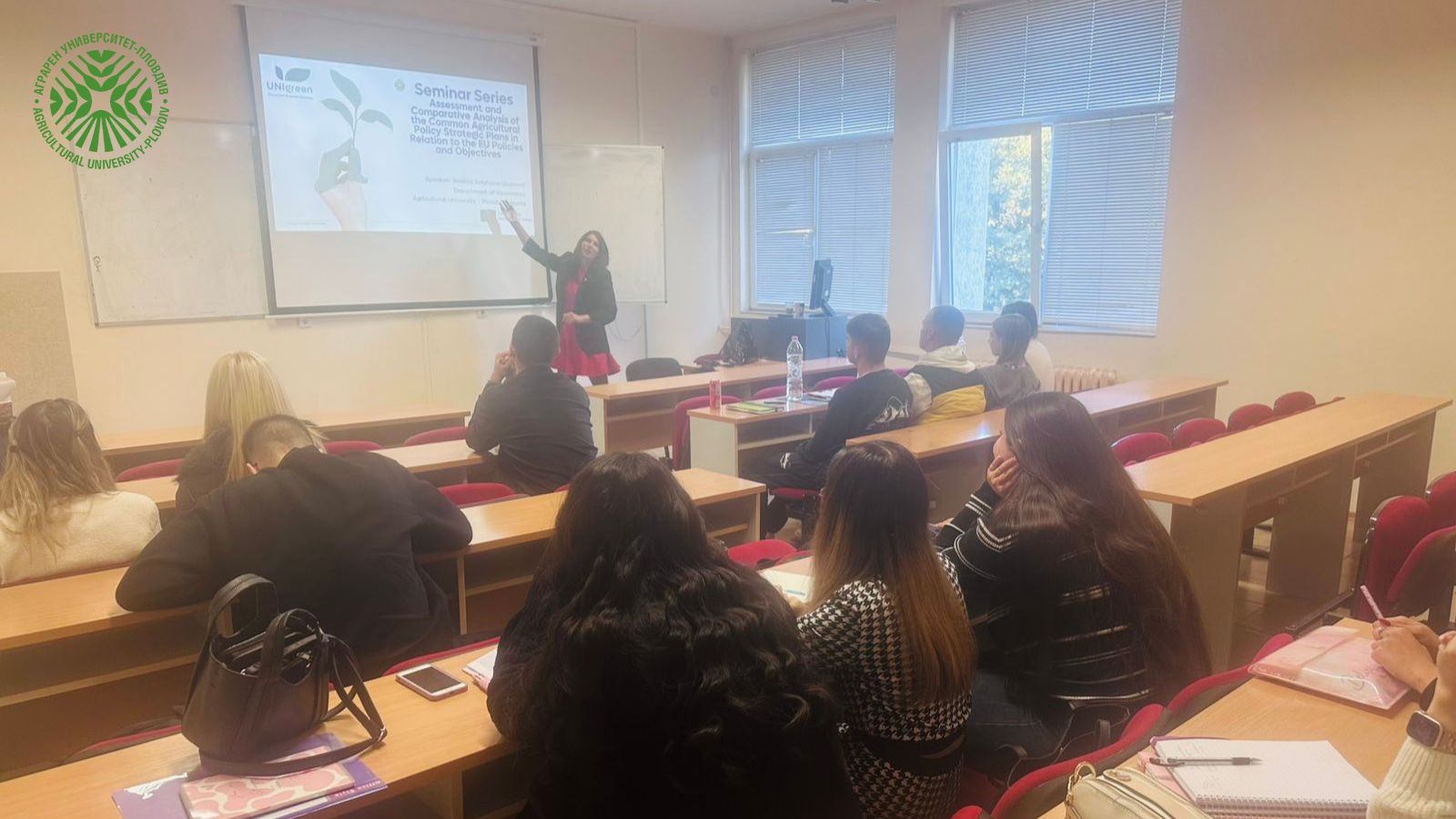
Future of EU Farming: CAP Strategic Plans 2025
Seminar Series – Episode 2: Shaping the Future of European Agriculture: Insights from the CAP Strategic Plans.
The full replay is available at the bottom of this article.On September 30, 2025, at 9:00 AM CEST the Agricultural University – Plovdiv held a seminar dedicated to the Common Agricultural Policy (CAP) of the European Union. The event highlighted the evolution, current framework, and future challenges of the CAP in the context of sustainability, competitiveness, and rural development.
Assoc. Prof. Rositsa Beluhova-Uzunova, who presented the key priorities of the CAP for the 2023–2027 programming period, led the seminar. Special attention was given to the CAP Strategic Plans, eco-schemes, and measures supporting young farmers, innovation, and digital transformation in agriculture.
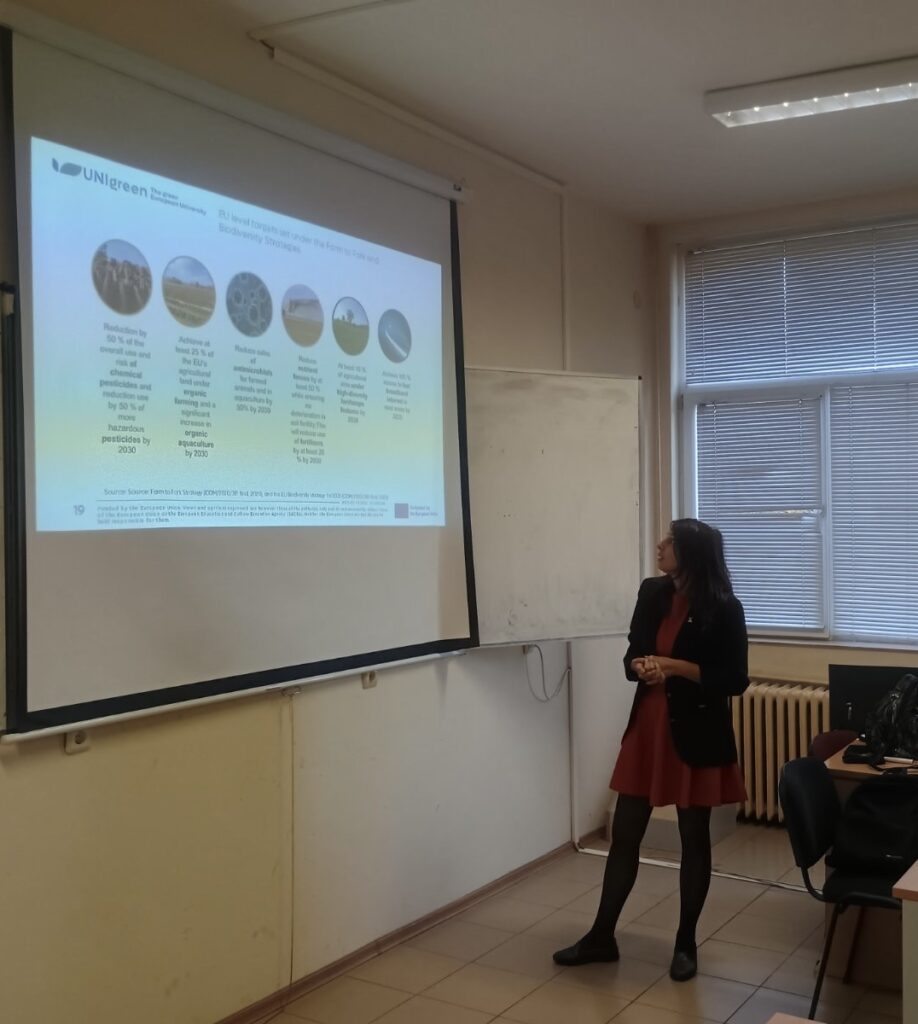
The seminar emphasized the importance of aligning agricultural practices with the European Green Deal, the Farm to Fork Strategy, and the Biodiversity Strategy for 2030. Participants had the opportunity to engage in discussion on how these policies can contribute to the modernization of the agricultural sector, ensure food security, and promote rural development.
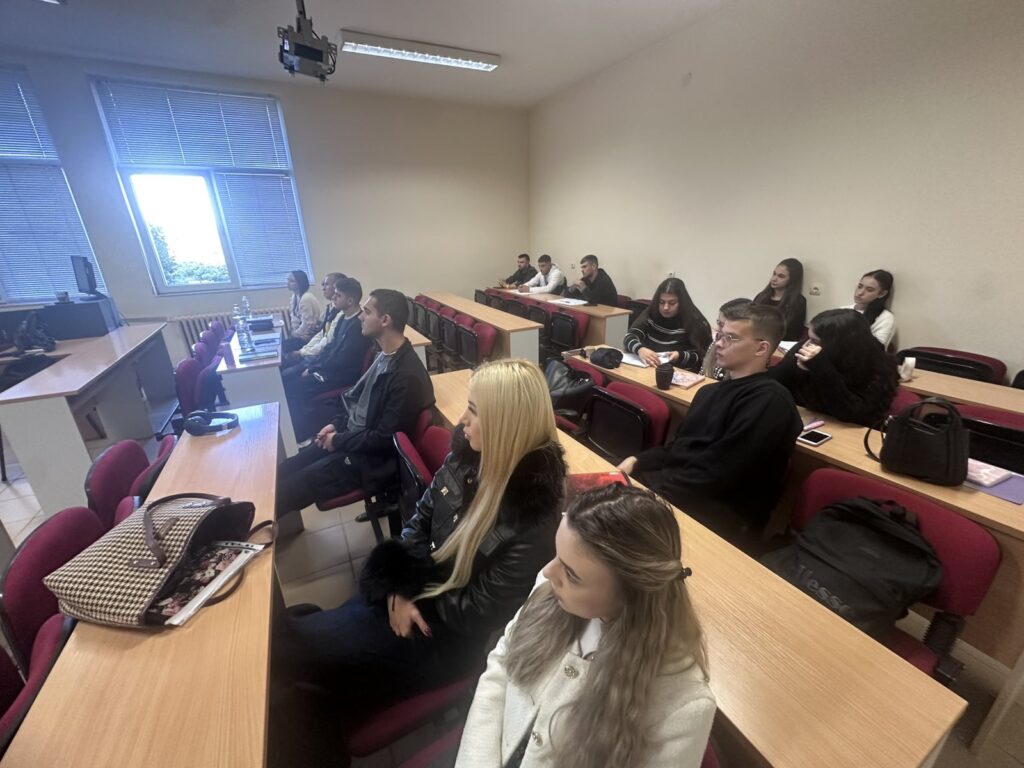
The seminar provided valuable insights for students and researchers, underlining the role of the Agricultural University – Plovdiv as a platform for knowledge exchange and dialogue on key European agricultural policies.
-
Gender in questions
On 14th November, our 8 institutions initiated two Online talks around the thematic of Gender Equality. This event was part of UNIgreen Equality Day, organized by the work package “Diversity, Inclusion and multiculturalism” during the week. Two topics were discussed: Gender Equality in teaching and research and Gender based violence.
Specialists from each country (students, professors, advocates…) one by one presented their work and engagement around those very actual questions :
- How to enhance gender equality within fields as sustainability or engineering ?
- What regulations do exist in our country in order to become more equal ?
- What can we do in the future ?
- What can our institutions do to go further on those topics ?
A vast subject that UNIgreen aims to discuss and develop within its institutions, through conferences, activities and courses.
Find the content of those talks here.
Gender equality in teaching and research Gender based violence -
HEPL and its EcoTeams
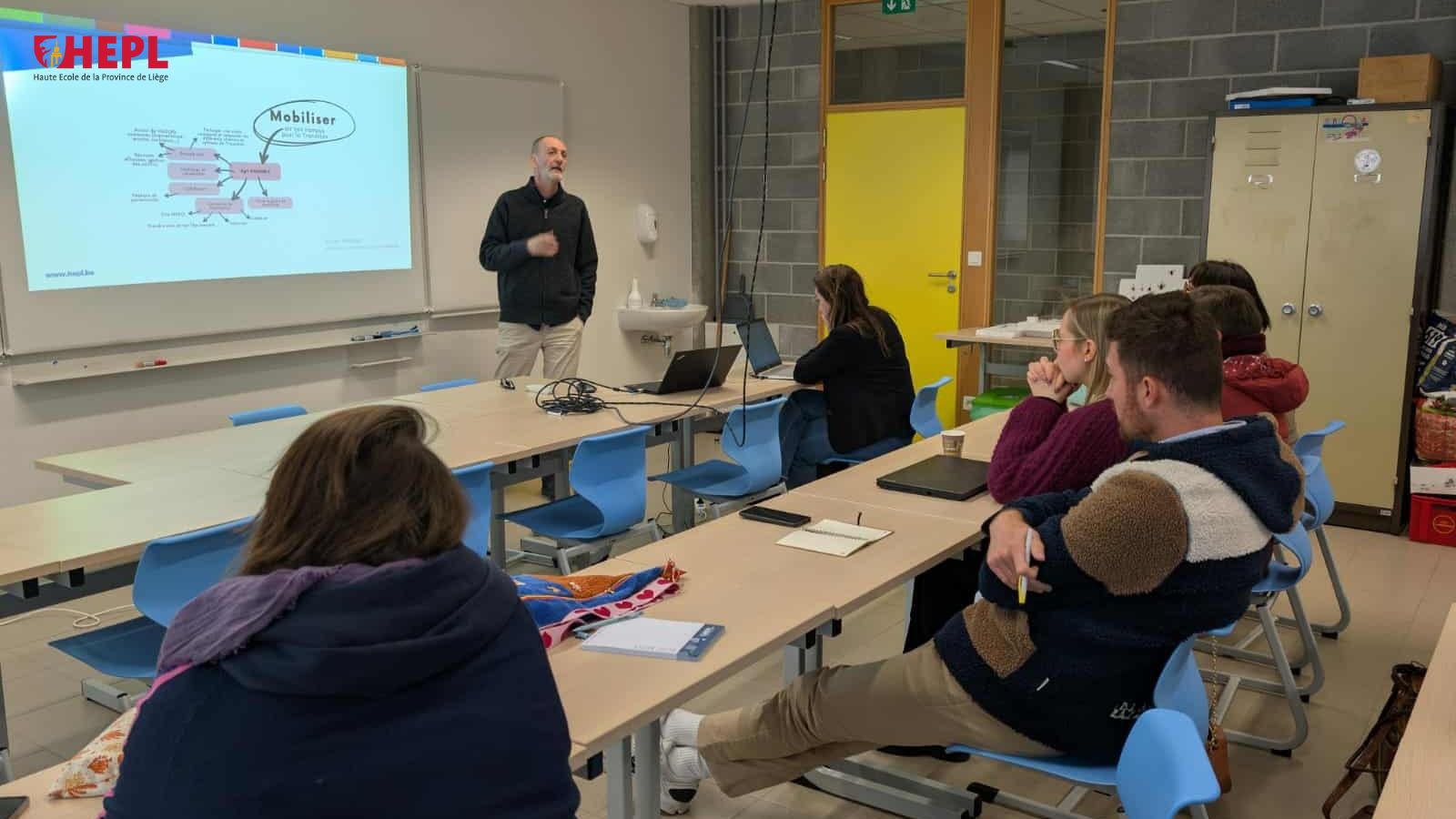
Just over a year ago, HEPL established several “EcoTeams” teams dedicated to sustainability, across its seven campuses. This initiative reflects UNIgreen’s commitment to making our campuses greener and more socially responsible. They gather administrative and teaching staff, but also students who feel the need to share their sustainable spirit.
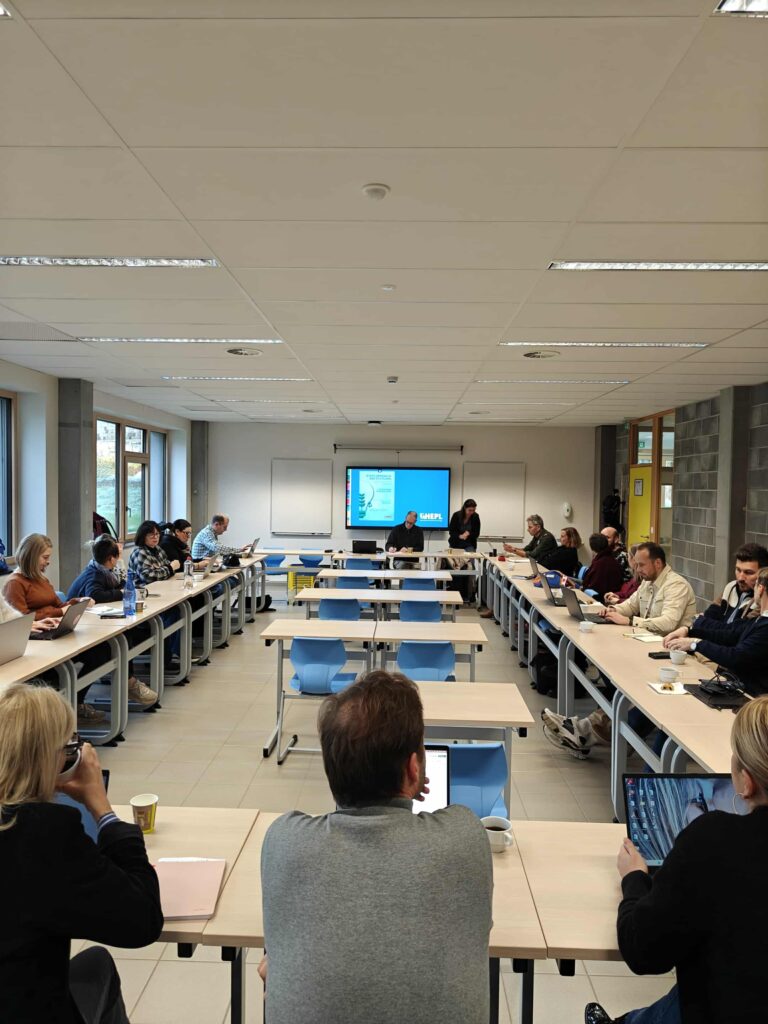
On 18th of November, those EcoTeams met at Campus La Reid for their first dedicated general assembly.
Exchanging best practices and participating in workshops to foster growth: the program for the first EcoTeams General Assembly brought together some thirty motivated individuals eager to develop sustainability on their campuses.
François Clarinval, from the HEPL Sustainability Unit, said
“The spirit of this assembly is to share, meet, and pool our actions and values. The driving force behind these actions is motivation and conviction!
For Annick Lapierre, Director-President, it’s also the perfect opportunity to prove the achievements of a sustainability-focused aspect of the strategic plan.
“We have performance requirements, and we’re managing to meet them, which is very important.
Proof of this is that, to get to La Reid, all the colleagues considered the possibility of… carpooling, as it’s not well served by public transport!
This exchange also allowed the different campuses to understand each other’s realities: promoting public transportation seems obvious at some point but is somewhat less so elsewhere. Waste sorting isn’t the same in each municipality covered by our campuses and can’t be organized in the same way everywhere. So many examples that demonstrate the diversity within HEPL and the challenge that lies ahead!
-
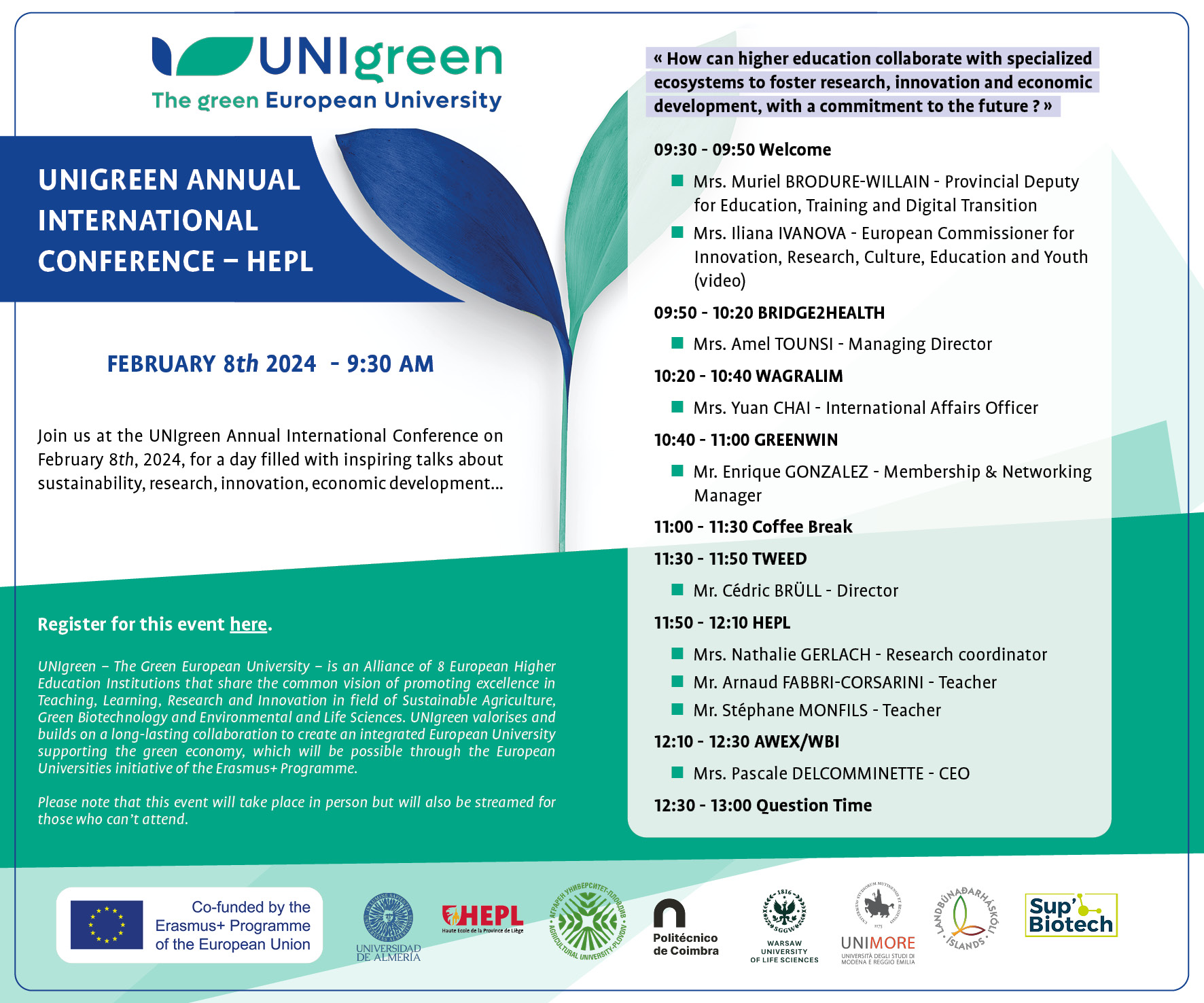
HEPL hosts the first UNIgreen International Conference
The first UNIgreen International Conference will take place at Campus 2000, in Jemeppe, on February 8, on the subject: « How can higher education collaborate with specialized ecosystems to foster research, innovation and economic development, with a commitment to the future? »
As part of the annual “UNIgreen” (European University Alliance) summit, the HEPL will welcome its Icelandic, French, Portuguese, Spanish, Polish, Italian and Bulgarian partners from February 7 to 9 to talk about research, innovation, economical development and sustainability.
It is in this context that the first UNIgreen International Conference will be organized, on February 8, at the Campus 2000 (Avenue Montesquieu 6 in Jemeppe), from 9:30 a.m. to 1 p.m., in the presence of a large panel of field actors (BRIDGE2HEALTH, WAGRALIM, GREENWIN, TWEED and AWEX/WBI). This conference, which will be held in English, can also be followed online via the UNIgreen YouTube page.
For Ms. Annick LAPIERRE, Director-President of HEPL, « The HEPL, the first Higher Education Institution of The Federation Wallonia-Brussels to participate in a European University Alliance, is particularly happy and proud to be able to host this international conference whose theme is fully in line with the strategic plan that it is developing. ».