
-
Miyawaki forest – a green future on the SGGW campus
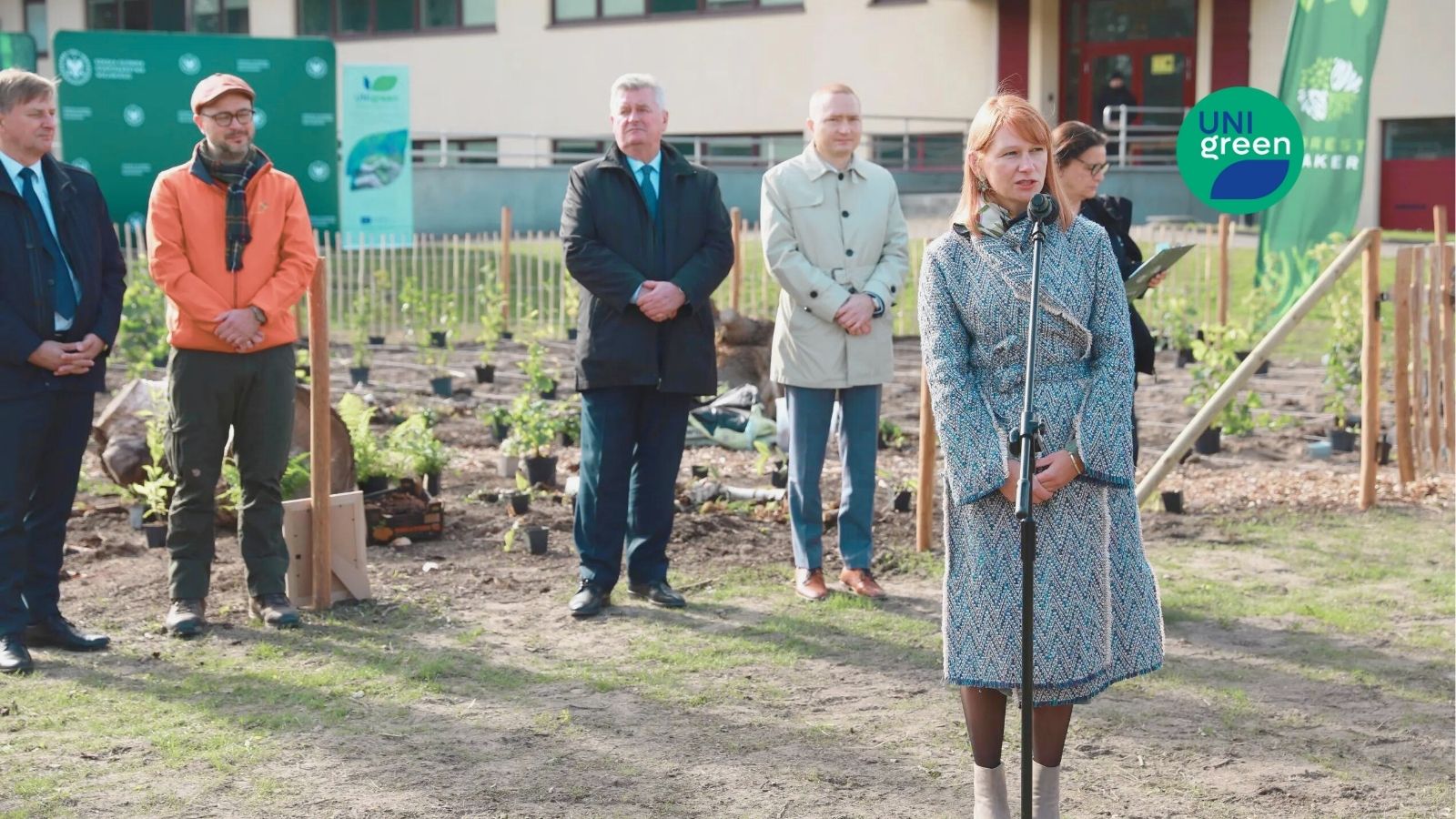
The SGGW academic community jointly planted the first pocket forest on the university campus on 2 October 2024.
Miyawaki forest is an innovative method of creating compact, fast-growing forests that grow in small spaces, developed by Japanese botanist Akira Miyawaki. The idea is to plant many native trees and shrub species close to each other, helping to speed up the recovery of ecosystems. Such forests become self-sustaining after just a few years, significantly improving city biodiversity and environmental quality.
Poland’s first ‘pocket forest’ on a university campus.
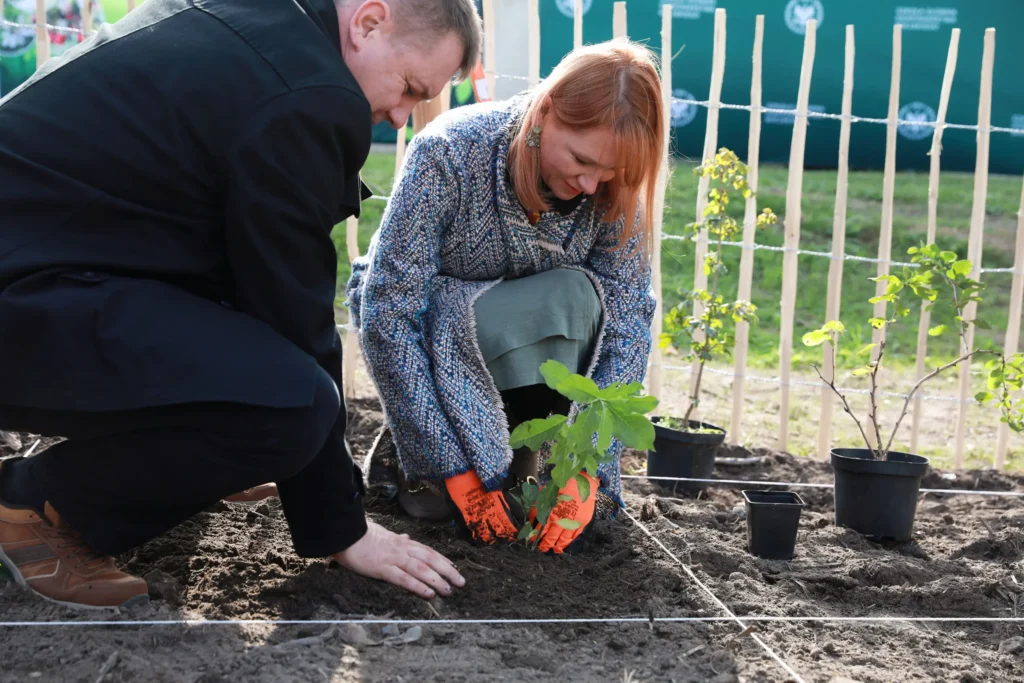
SGGW was the first university in Poland to take the initiative to establish a Miyawaki forest on its campus. Together with Forest Maker, we prepared the site by removing around 200 tones of rubble and adapting the soil for the seedlings. Thus, the forest will grow 1.5-2 times faster than conventional planting methods. A total of 700 plants were planted – 37 species of trees and shrubs and 40 species of groundcover.
The pocket forest will become a biodiversity oasis in a polluted urban environment, absorbing pollution and offering shelter to wildlife such as birds. These activities are essential to the SGGW’s sustainable development goals, contributing to a healthier and friendlier environment.
The event was attended by the Vice-Rector for Internationalization, dr hab. Marta Mendel, prof. SGGW, Vice-Rector for Didactics, prof. dr hab. Jarosław Gołębiewski, and the SGGW Chancellor, dr inż. Władysław W. Skarżyński.
The National Agency for Academic Exchange (NAWA) co-financed the project as part of the UniGreen+UA 2.0 initiative.
-
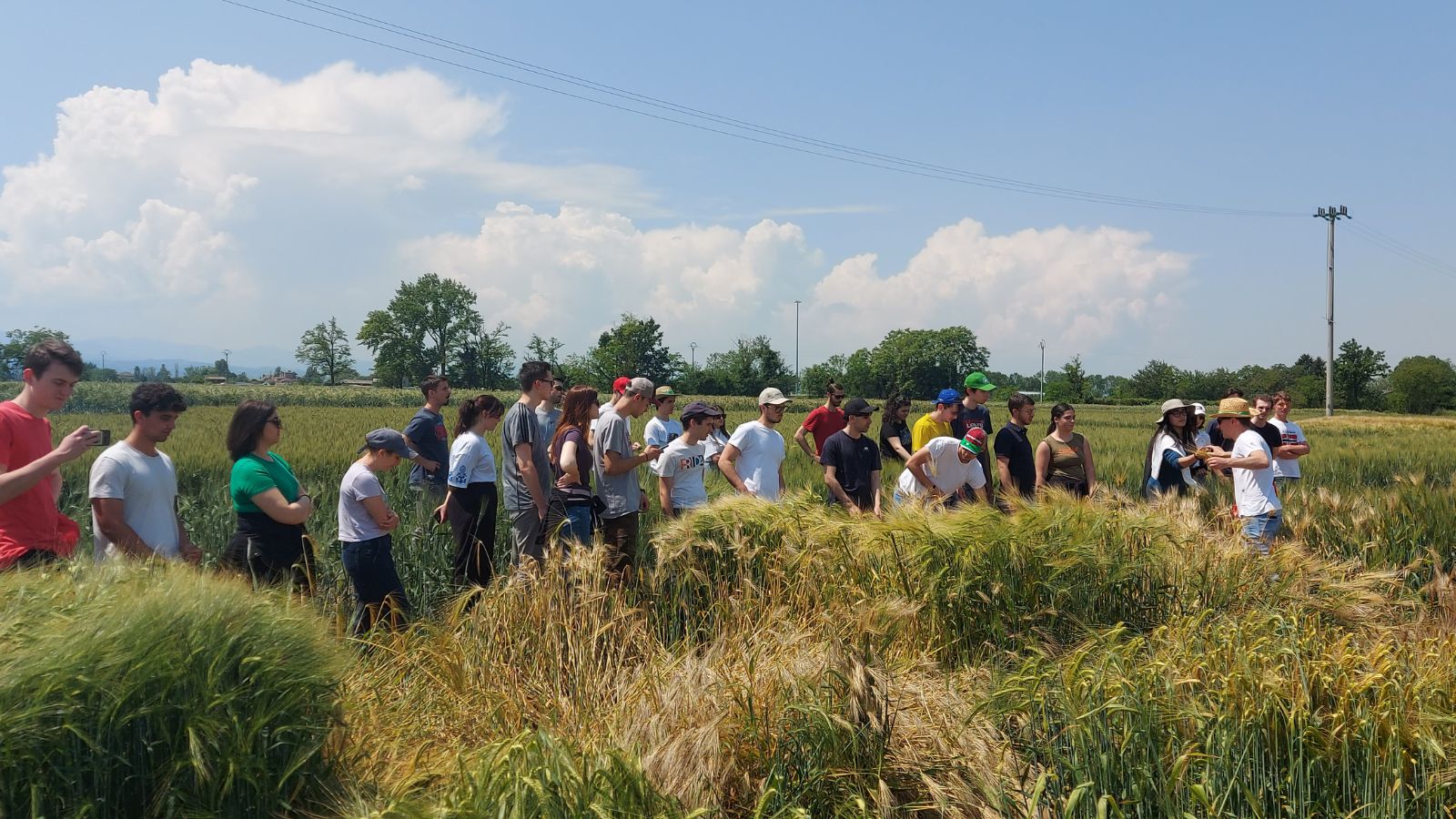
New Double Master’s Degree
New Double Master’s Degree in Organic Agriculture and Integrated Sustainability of Agricultural Systems
UNIgreen is pleased to announce a new Double Master’s Degree programme jointly offered by the Polytechnic University of Coimbra (PUC), Portugal, and the University of Modena and Reggio Emilia (UNIMORE), Italy. This programme unites two complementary academic paths to train professionals capable of transforming the future of agriculture through sustainability, innovation, and international collaboration.
Students enrolled in this programme will follow two distinct but interconnected master’s degrees:
Organic Agriculture (PUC)
This programme supports Portugal’s National Plan for the Development of Organic Farming and equips students with advanced technical and scientific knowledge in organic agriculture. It prepares graduates to work in sustainable agriculture, scientific research, and green entrepreneurship through the development of applied skills in real-world contexts.
Integrated Sustainability of Agricultural Systems (UNIMORE):
This programme focuses on agricultural sciences and technologies that support integrated sustainability in agri-food systems. Students gain a systems-thinking approach to manage dynamic agricultural contexts and collaborate directly with companies, industries, and research institutions.
Both tracks feature a blend of theoretical instruction, laboratory work, and practical projects.
A mandatory mobility period (minimum six months and 30 ECTS) at the partner institution allows students to gain valuable international experience and cross-institutional training.
Students will benefit from a “learning by doing” approach and have the opportunity to complete an **experimental thesis** using the combined resources and expertise of both institutions. The programme aligns with major global and regional sustainability frameworks, including the European Green Deal and the UN 2030 Sustainable Development Goals (SDGs).
Language of Instruction of this 2 years master’s degree will be Portuguese, with some seminars and electives in English at PUC and Italian, with some seminars and electives in English at UNIMORE
Applications are now open!
Don’t miss this opportunity to become part of a new generation of sustainability-driven agricultural professionals.
-
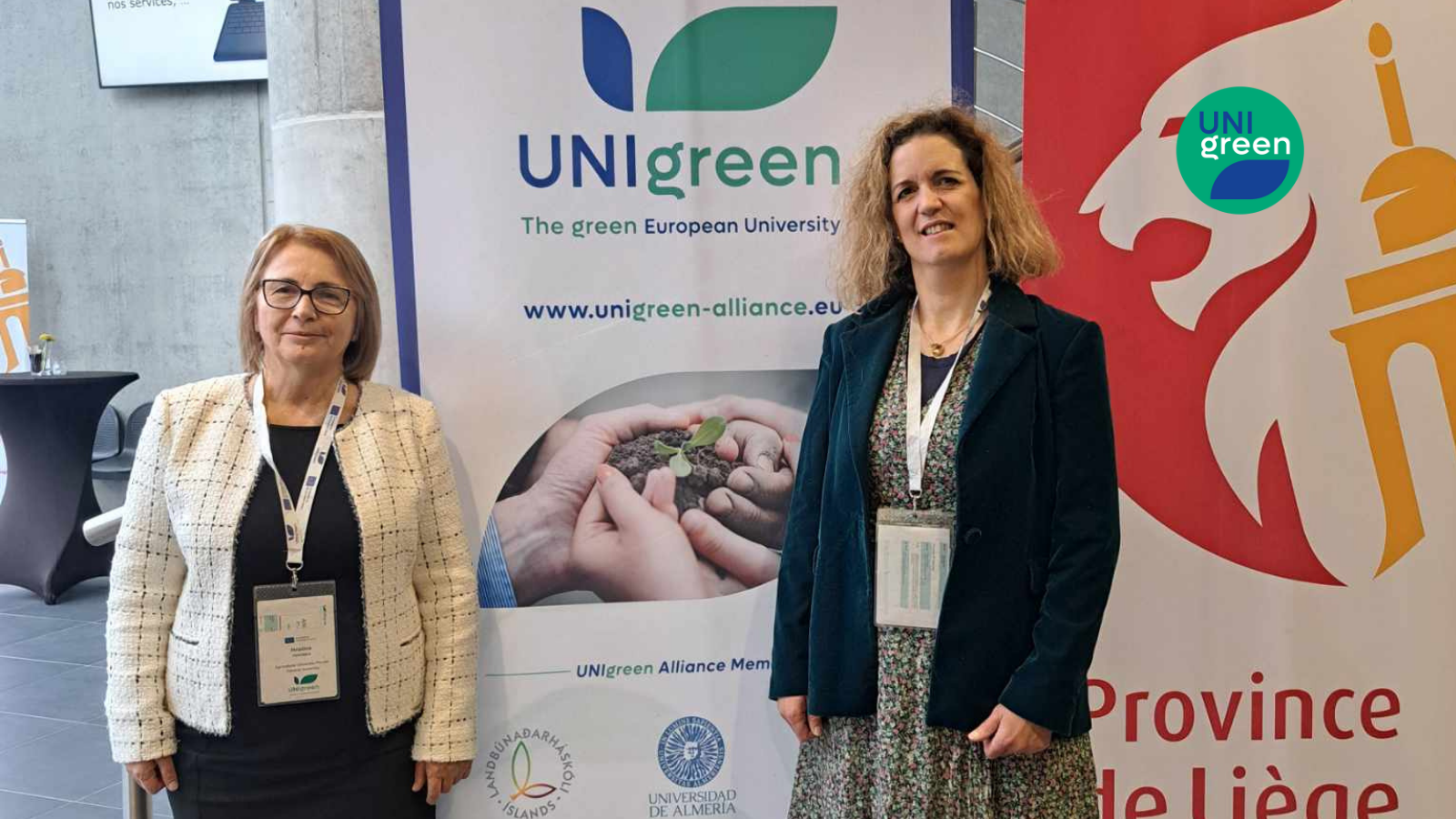
New General Assembly Chair and Co-Chair elected in Liège
During the second UNIgreen Annual Summit, which took place between the 7th and 9th February 2024, in Liège, the UNIgreen General Assembly elected Hristina Yancheva (Rector of the Agricultural University of Plovdiv) and Vanessa Proux (Executive Director of Sup’Biotech) respectively as Chair and Co-Chair of the General Assembly.
The General Assembly is UNIgreen’s highest decision-making structure, bringing together the executive leaders (Rectors and Presidents) from the eight institutions that belong to the UNIgreen Alliance. Its main responsibilities include, among others, the definition of the overall vision, long-term strategy and general policy of UNIgreen.
Join us in wishing Dr Yancheva and Dr Proux a successful tenure!
-

People Behind UNIgreen: Anastasia Butovska
Could you please introduce yourself?
My name is Anastasia Butovska and I live and work in Almería, Spain. I work in the University of Almería, where I am involved in the coordination team of UNIgreen, the green European University. Also, I am a member of the Quality Commitee, where I contribute to ensuring the effective implementation of Alliance’s activities and adherence to quality standards.
Which added value or benefits of UNIgreen would you like to highlight, and why?
For me, what makes UNIgreen truly special is its commitment to bringing people together through collaborative programs across Europe. UNIgreen provides students with a unique opportunity to receive high-quality education while engaging with diverse academic and cultural perspectives. This prepares them to become capable professionals, ready to contribute effectively to their communities.
The Alliance also strongly supports mobility and exchange opportunities not only for students but also for staff. Personally, I find it inspiring to work with highly qualified professionals across the eight Higher Education Institutions, exchange ideas and best practices, and collaboratively find solutions to common challenges.
Please tell us what UNIgreen means to you, and use one word to describe it.
UNIgreen is all about uniting diverse cultures, ideas, and perspectives to address today’s global concerns. It serves as a platform for global intercultural understanding and collaboration. In one word, it’s all about UNITY.
-
People behind UNIgreen: Andrea Pulvirenti
Could you briefly introduce yourself?

My name is Andrea Pulvirenti, and I am an Associate Professor of Food Microbiology and Quality Management at UNIMORE. I conduct research on improving food shelf life to reduce food waste, reduce foodborne illnesses, and develop innovative projects related to the green economy. In 2017, I founded a spin-off that is now a food company that recovers waste and transforms it into food by-products. My studies included a degree in Food Science and Technology and a PhD in Food Biotechnology, completed in collaboration with the University of Catania and the INRA in Paris-Grignon.
I have gained experience in agri-food and environmental assessment projects and numerous collaborations with public and private stakeholders. For UNIgreen, I coordinated a BIP (Blended Intensive Program) titled “Food Productions: Scientific and Practical Approaches,” helping to foster understanding among students from the various alliance organizations and encouraging discussion of quality management practices, as well as sustainability, across countries.
Can you share a concrete way in which UNIgreen is having a positive impact?
UNIgreen is having a concrete positive impact through sustainable mobility projects and interdisciplinary research networks. In the sustainability field, it coordinates initiatives in the circular economy, emissions reduction, and responsible resource management at the local level, with transparent measurement and public KPIs. In terms of inclusion, it promotes open access to research results, group training, and collaborations with universities and businesses to expand participation opportunities. In education and training, it offers workshops, MOOCs, and hands-on labs that integrate the partners’ diverse digital and social skills. In research, she supports transdisciplinary projects that bring together science, policy, and community for innovative and scalable solutions. This combination sets UNIgreen apart from the rest of the scene. I am already busy coordinating a new BIP for June 2026.
What’s a lesson you’ve learned from working with such a diverse and international team?
A key lesson was the importance of structured organization when working with a diverse and international team, especially in the context of the BIP for students from different locations. Coordinating logistics, content, and facilitators requires clear objectives, time/transport planning, and multilingual communication. Creating moments of cultural immersion and ongoing mentorship is crucial to facilitate integration between participants and different locations. Careful management of pre-event briefings, operational guides for teachers and tutors, and a common feedback platform transformed potential barriers into opportunities for shared learning, trust, and effective collaboration.
If UNIgreen were a plant, how would you describe it?
If UNIgreen were a plant, it would be an oak tree: rooted in the community, deeply rooted in sustainability and the values of inclusion. Its foliage would be branches of interdisciplinary research, leaves of concrete projects for mobility and the circular economy, and flowers of lifelong learning. It would be the lifeblood of collaboration between universities, institutions, and businesses, offering protective shade to those who participate and stimulating new opportunities. Resilient, adaptable to different contexts, and capable of regenerating itself through transparent KPIs and measurable impact. A living plant that grows with everyone’s participation.
-
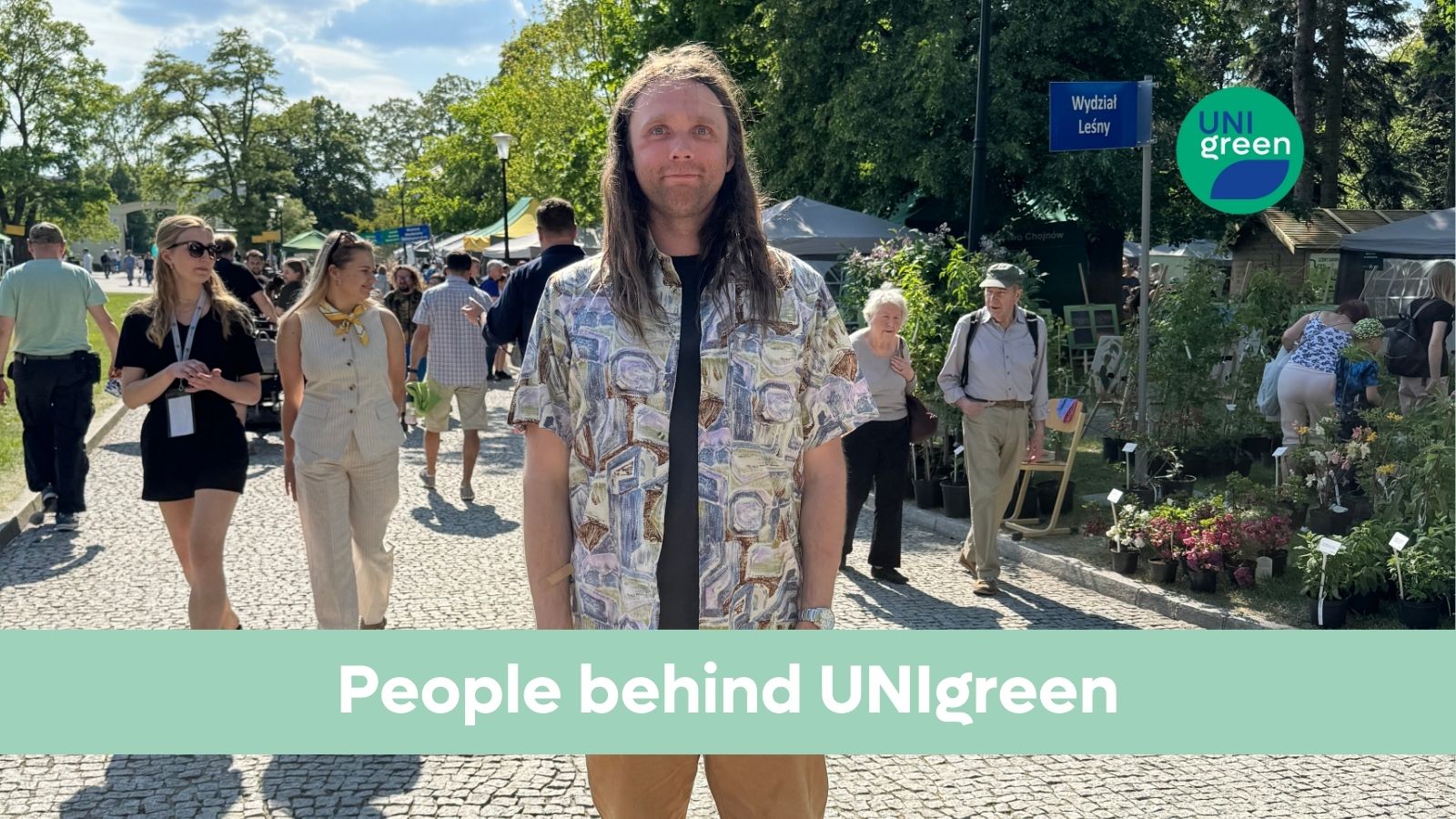
People behind UNIgreen: Ari Kristinn Gunnarsson
Could you please introduce yourself?
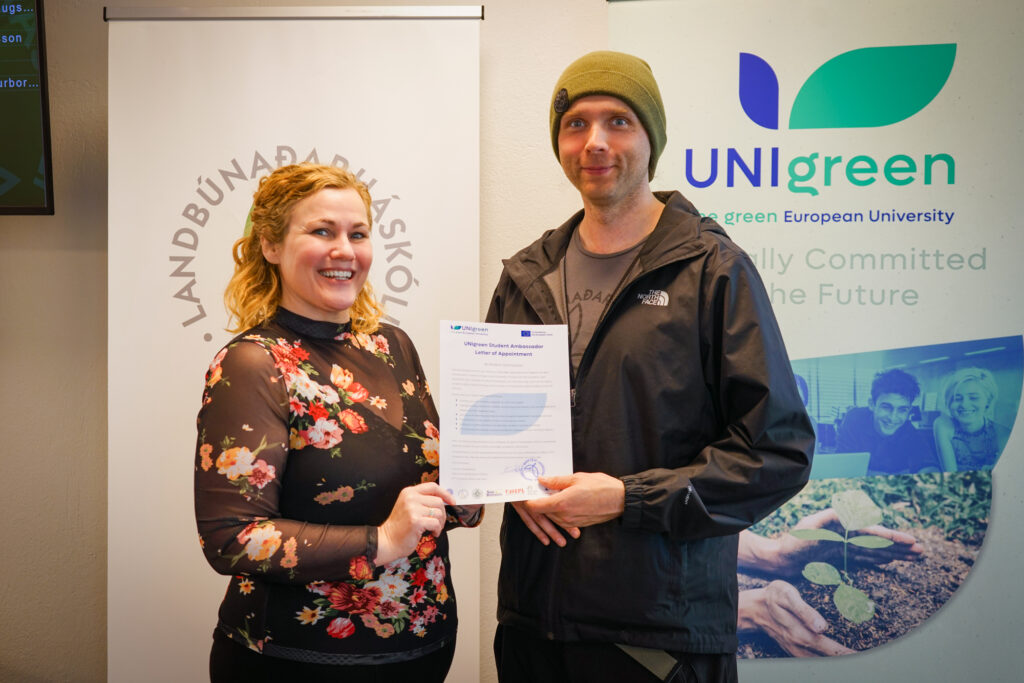
My name is Ari Kristinn Gunnarsson, and I am a Landscape Architecture student at the Agricultural University of Iceland, located in Hvanneyri. I spent most of my life in the capital area of Reykjavík, though I originally come from a smaller town. My interest in Landscape Architecture began with a fascination for urban planning, inspired by the significant changes happening in the city while I lived there.
Since starting university, I have developed a strong interest in international experiences. Meeting exchange students, completing an internship in Poland, and participating in an exchange program in the Netherlands have all broadened my perspective. These experiences also led me to become involved with the UNIgreen program.
Beyond academics, I enjoy outdoor activities, especially hiking and adventures, which connect me to Iceland’s natural beauty, these interests have only increased since arriving in Hvanneyri since the enthusiasm that the foreign exchange students have for exploring Iceland is incredibly infectious . These interests and experiences shape my passion for creating meaningful landscapes and foster my enthusiasm for contributing to international collaborations like UNIgreen where I have now become an ambassador for.
Which added value or benefits of UNIgreen would you like to highlight, and why?
One of the key benefits of UNIgreen that I would like to highlight is its ability to foster international collaboration and cultural exchange. Through UNIgreen, I have had the opportunity to engage with a diverse group of students and professionals across Europe, broadening my understanding of different approaches to sustainability, urban planning, and landscape architecture. This exposure has been invaluable, as it has provided me with new ideas and perspectives that I can apply to my studies and future career.
Another significant added value is the emphasis on interdisciplinary learning. UNIgreen connects fields like agriculture, environmental science, and landscape architecture, encouraging innovative solutions to pressing global challenges. This aligns perfectly with my passion for creating sustainable and meaningful landscapes and the needs of society as a whole in facing various challenges like climate change.
Finally, the network and support provided by UNIgreen have been instrumental in my personal and professional growth. Being part of this alliance has enhanced my leadership and organizational skills, as well as my ability to communicate and collaborate across cultures. These benefits are why I believe UNIgreen is a unique and powerful platform for students like me to make a lasting impact.
Please tell us what UNIgreen means to you and use one word to describe it.
To me, UNIgreen represents opportunity. It is a platform that opens doors to international experiences, cultural exchange, and interdisciplinary collaboration. Through UNIgreen, I have connected with like-minded individuals who share a passion for sustainability and innovation, while also gaining insights into different academic approaches and practices across Europe. It has been an experience that has expanded my horizons and helped me grow both personally and professionally.
If I had to describe UNIgreen in one word, it would be connection.
-
People behind UNIgreen: Arthur Lelong
Could you briefly introduce yourself?
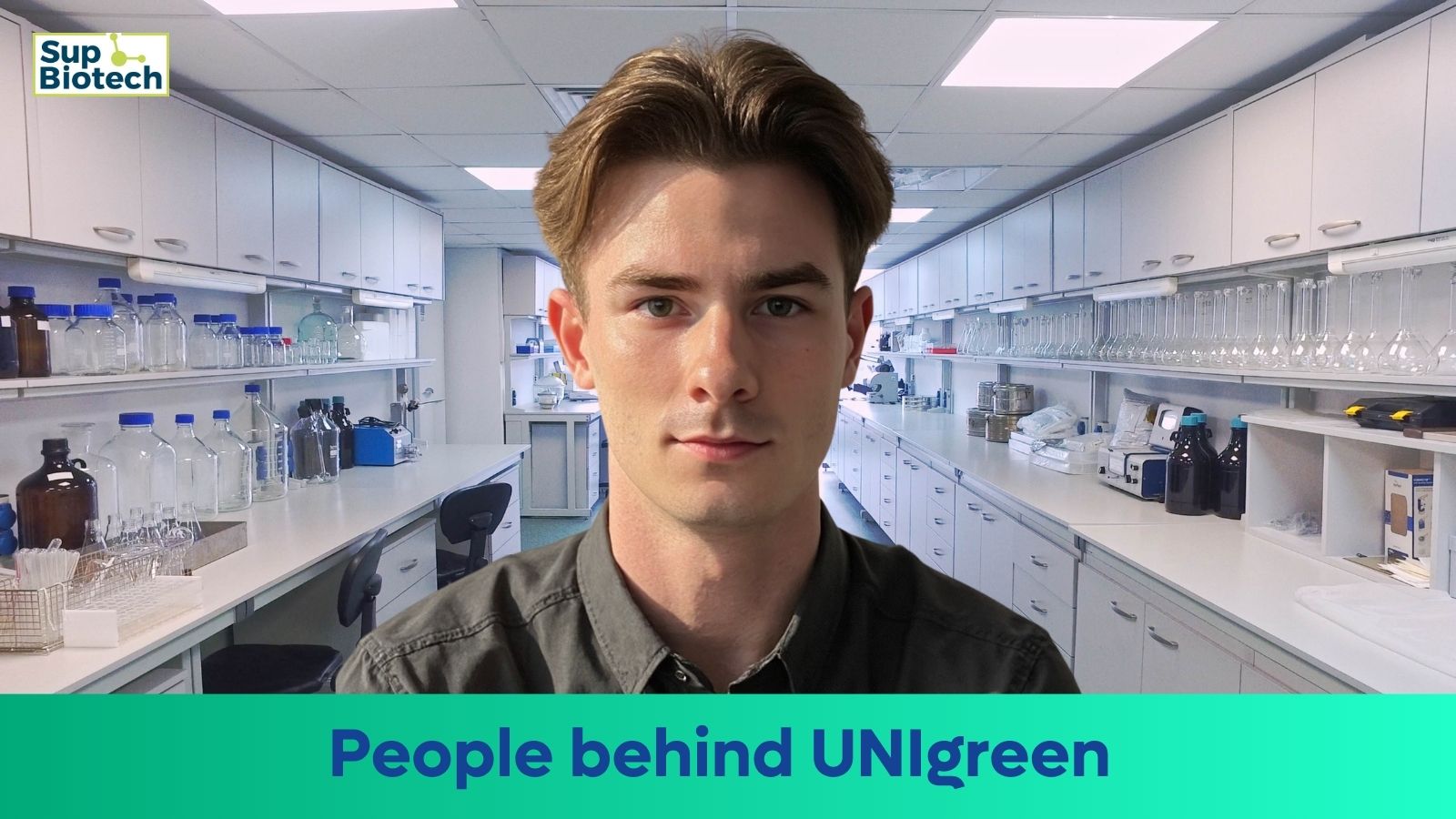
Hi, my name’s Arthur and I’m currently a second-year student at SupBiotech Paris. I’ve spent my entire secondary education in Qatar, in a multicultural environment. It allowed me to develop a sort of open mind and awareness of international exchanges from a very young age. During my studies at SupBiotech, I serve as an International Referent within the Buddy System, where my role is to support the integration of exchange and international students, ensuring that they feel welcomed and comfortable in a new country.
Can you share one concrete way UNIgreen is making a positive impact?
I really like the idea of meeting students from different parts of the world and different backgrounds. It allows to share ways of understanding and seeing the world. It’s this sense of openness that made me want to get involved. At the same time, the sustainability and education aspect seem just as important to me as it encourages us to think about the impact we have as students and more importantly, future engineers.
What is one lesson you’ve learned from working with such a diverse and international team?
For me, the most concrete benefit of UNIgreen is student mobility. Thanks to this program, students really have the opportunity to study abroad, meet people from different cultures, and discover other ways of learning. I see how much this can open doors for students who might otherwise never have had the opportunity to travel or have such an experience. But it’s not just about studying, it’s also about gaining confidence, becoming more independent, and making real international connections. What I find motivating is the idea of being part of a project that extends beyond one’s own campus, as UNIgreen is interconnected.
I’m still quite new to UNIgreen, but I can already see the benefits of working with students from very diverse backgrounds. Having grown up in a multicultural environment, I’m already used to diversity, but here it translates differently. Everyone brings their own way of thinking and shares their experiences as part of joint projects, which makes the exchanges particularly interesting.
If UNIgreen were Plants, how would you describe them?
If UNIgreen were a plant, I believe it would be a dynamic ecosystem rather than a single species. It would sort of be like a diverse garden where each plant has its role: some provide shade, others produce fruit, and others enrich the soil. Together, they grow thanks to mutual support and shared resources, symbolizing sustainability, and balance.
-
People behind UNIgreen: Barbara Villani
Could you please introduce yourself?
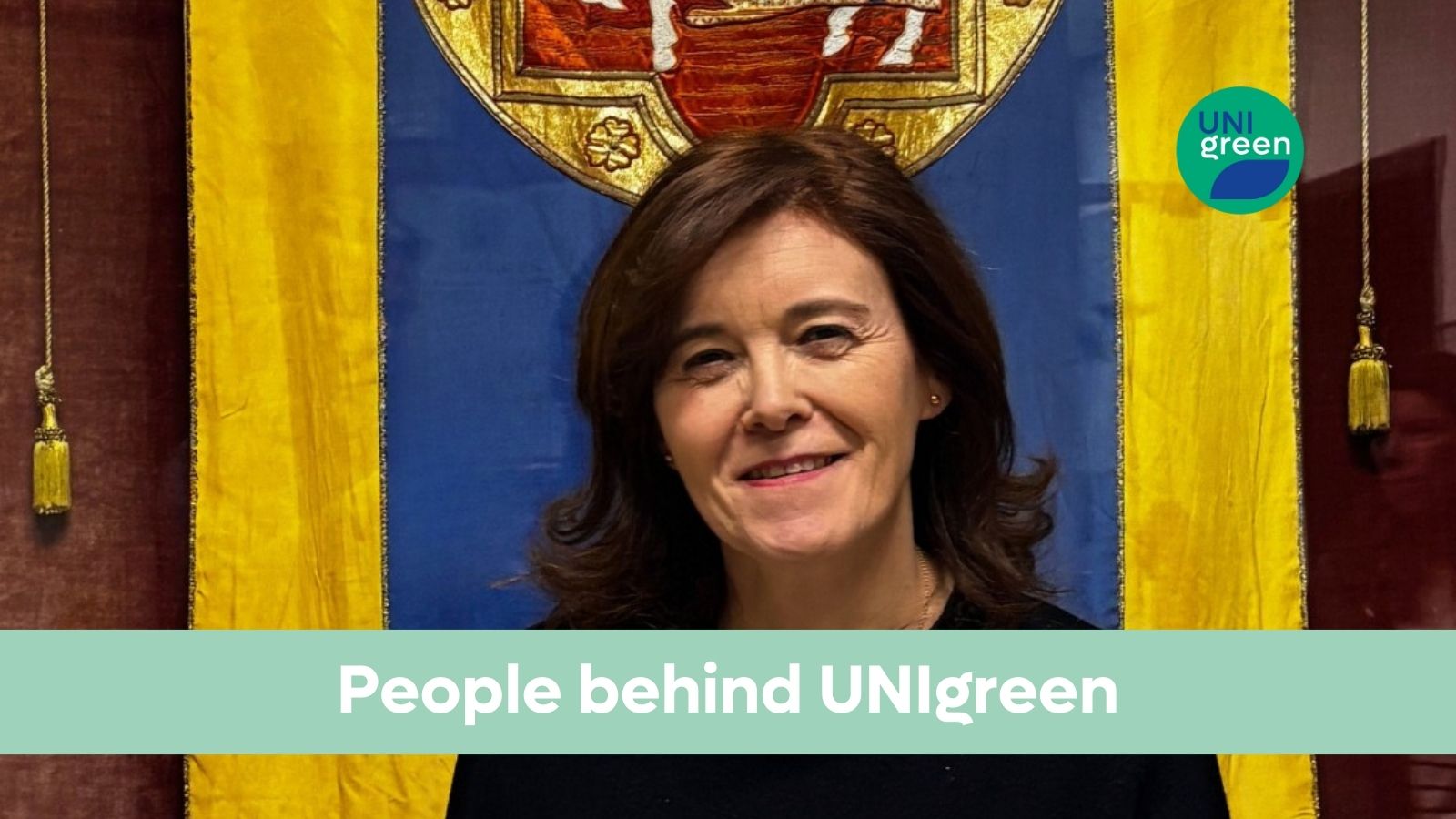
My name is Barbara Villani, I coordinate the International Relations Office at the University of Modena and Reggio Emilia. My role in UNIgreen began with WP4: Student and Staff Mobility, and I am now also participating in WP1: Alliance governance and management, where I contribute to achieving UNIgreen’s goals.
Which added value or benefits of UNIgreen would you like to highlight, and why?
UNIgreen is an innovative alliance where universities from different countries collaborate on an ambitious challenge: the creation of an inter-university sustainable campus. As an alliance focused on green technologies, sustainability, and environmental sciences, UNIgreen serves as an ecosystem that integrates education, research, innovation, and society to promote sustainable development.
UNIgreen provides a valuable opportunity for students, researchers, and administrative staff, offering them the chance to work and study within an international community. Through this initiative, students and the entire academic community gain access to new tools that help them develop knowledge, skills, and competencies.
Please tell us what UNIgreen means to you and use one word to describe it.
To me, the best word to describe UNIgreen is ”transformation”.
UNIgreen represents a transformative process for all participating universities. Its interdisciplinary nature creates extensive collaborative opportunities for students, researchers, and administrative staff. They will have the chance to study, train, teach, conduct research, and work in the Alliance countries while benefiting from new mobility formats and training opportunities. These initiatives help develop both technical and soft skills essential for a greener future.
-
People behind UNIgreen: Cindy Vallée
Could you please introduce yourself?
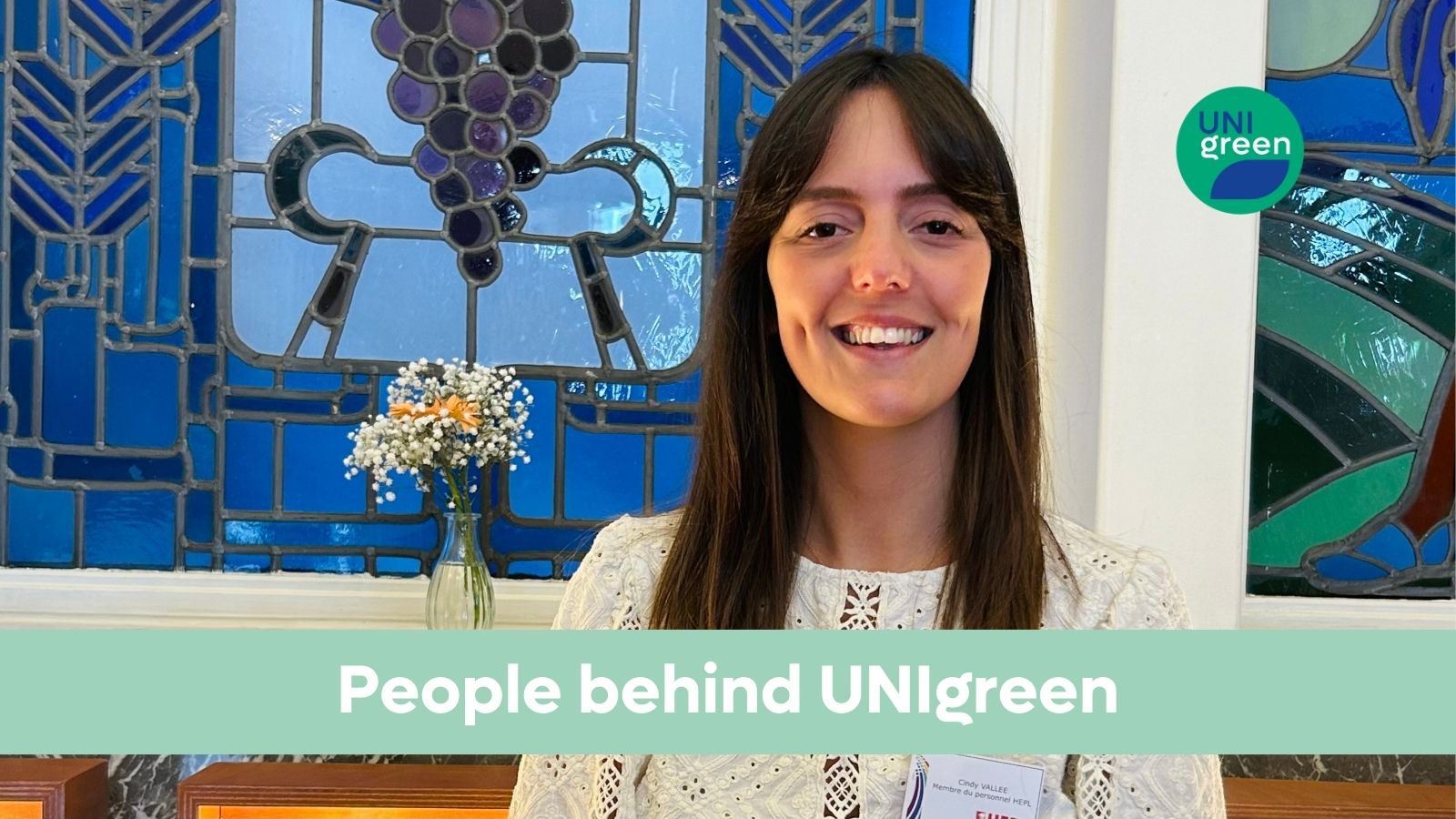
My name is Cindy Vallée, I’m from Belgium and I work at HEPL. In UNIgreen, I’m the new Work Package 5 coordinator. I have been a speech therapist for 10 years. I specialize in the field of disability and learning disabilities. As a speech-language pathologist, my passion lies in helping people overcome communication challenges and achieve their full potential. Most of the training I have done is related to the field of disability but also the issue of gender.
I worked for the inclusion department at HEPL, which supports people with disabilities. I am excited about the possibility of joining the UNIgreen team and am committed to bringing my passion, skills and collaborative spirit to help achieve its goals.
Which added value or benefits of UNIgreen would you like to highlight, and why?
UNIgreen is a good example of what is currently happening in terms of ecological transition. Green practices are highlighted. Our school can become an example to follow in terms of “thinking and acting green”. Beyond the ecological and sustainable aspects, they included the aspects of inclusive and mixed education, which is a great asset for me. I’m inspired by Unigreen’s holistic approach, which integrates sustainable practices with a strong emphasis on diversity and inclusion.
Please tell us what UNIgreen means to you and use one word to describe it.
Environmental sustainability and social responsibility have always been at the core of my beliefs. UNIgreen’s mission to create a greener and more inclusive school / world aligns perfectly with my dedication to making a positive impact on both the environment and society.
-
People behind UNIgreen: Daria Sikorska
Could you please introduce yourself?
My name is Professor Daria Sikorska, and I have dedicated my career to bridging academic research with practical solutions that benefit communities and the environment. I’m currently a faculty member at Warsaw University of Life Sciences in Warsaw, Poland, where I specialize in urban ecology, water management, and nature-based solutions. Throughout my journey, I’ve been passionate about interdisciplinary studies and finding new connections—whether among ideas, disciplines, or people. Working alongside colleagues from various European universities has only strengthened my conviction in the power of cross-border academic alliances like UNIgreen.
As an educator and researcher, my path has always been driven by a desire to make science accessible and impactful. Beyond research, I am deeply engaged in initiatives promoting equal opportunities, environmental responsibility, and student empowerment. I believe in fostering a new generation of students who are not only skilled in their fields but also equipped to lead in sustainability and social change. At my university, I work closely with several student organizations. This role allows me to guide students in considering the broader impact of their education, essential for creating a resilient future.
Which added value or benefits of UNIgreen would you like to highlight, and why?
UNIgreen represents a proactive response to the pressing challenges of our century. In the face of global issues like sustainability, climate change, and social equity, higher education must do more than impart knowledge; it must also empower students to take action. As part of the larger European University Alliances initiative, UNIgreen connects institutions, students, and researchers across Europe, creating an integrated educational and research network that benefits local and global communities alike.
I am especially drawn to UNIgreen’s focus on real-world issues through collaborative research. In environmental science, agriculture, and sustainable resource management, Europe is a wellspring of potential, and UNIgreen harnesses the diverse expertise of each partner institution to tackle complex, shared problems. Working alongside students and faculty from across the continent, we’re creating a platform for innovation where each university brings its own strengths and insights.
This Alliance goes beyond academic achievements—it’s about building a resilient, cohesive Europe capable of responding to global challenges. I am proud to contribute to a network that fosters unity among universities, encourages student mobility, and champions impactful research. UNIgreen provides students with an invaluable pan-European educational experience while focusing our research on the pressing environmental and social issues of our time.
Please tell us what UNIgreen means to you and use one word to describe it.
If I were to describe UNIgreen in one word, it would be transformation. As co-leader of Work Package 2 Teaching and Learning at my university, my focus is on integrating research and teaching in ways that enrich both domains. UNIgreen is not just an academic network; it’s a transformative force that creates unique opportunities for students and faculty to learn from each other and connect academic knowledge with real-world applications. By linking innovative research directly into the curriculum, we can ensure that students are not only learning theories but are actively engaging with current issues and create solutions that they might one day implement themselves.
In essence, UNIgreen is about transforming how we teach and learn together. Through this Alliance, we can offer students a truly collaborative learning experience, where they engage with peers and faculty from across Europe and gain diverse perspectives on sustainability and environmental responsibility. UNIgreen empowers students to become changemakers in their communities, equipped with the skills and insights necessary to make a meaningful impact. Being part of this Alliance fuels my passion for education and provides a platform for inspiring the next generation of sustainability leaders.
-

People Behind UNIgreen: Dima Jayyusi
Could you please introduce yourself?
My name is Dima Jayyusi and I currently live in Almería, Spain, although I am of Palestinian and German origin. Currently I’m studying my Bachelors degree in Social Work at University of Almería where I’m also the UNIgreen Student Ambassador, representing the students of our institution whilst promoting the alliance among the student community.
Which added value or benefits of UNIgreen would you like to highlight, and why?
In my opinion, UNIgreen has a number of benefits, but what I personally really value is the international aspect of the alliance. Having participated in a BIP by UNIgreen I can say that I have had the opportunity to connect with a number of people from different cultural and academic backgrounds, which allowed me to expand my cultural horizon and take away new perspectives on different topics.
To me, these are unique opportunities that allow the young minds of Europe to come together and construct a more sustainable and equal future.
Please tell us what UNIgreen means to you, and use one word to describe it.
If I had to describe UNIgreen in one word, it would be knowledge because ultimately it is what we aim to create and transmit as (future) professionals. In my opinion, it is the key to a society nurtured by a sense of unity, justice and community, in line with the values of the alliance. Therefore, knowledge is power, knowledge is UNIgreen.
-
People behind UNIgreen: Dulce Caetano
Could you please introduce yourself?
My name Is Dulce Caetano, I’m from Portugal and I work at the Polytechnic University of Coimbra (PUC) since 1999. I’ve started in the Communication and Public Relations Office from It’s Coimbra Education School and since 2006 I’m at the International Office of the Central Services. In UNIgreen, and presently, I’m the WP4 coordinator.
Which added value or benefits of UNIgreen would you like to highlight, and why?
UNIgreen – European University is an innovative and challenge alliance under the Erasmus+ program that focuses on fostering sustainability, green technologies and environmental sciences across Europe. This initiative brings together 8 different institutions from diverse countries that all together aims to create a collaborative educational ecosystem that promotes interdisciplinary learning, research, and innovation in addressing global environmental challenges.
One of the key highlights of UNIgreen is its commitment to sustainability education, preparing students to become future leaders in green and sustainable practices. Through this alliance, students/researchers all the staff involved will gain access to cutting-edge research, diverse academic programs, and cross-border mobility opportunities, enhancing their global perspectives and employability. Additionally, UNIgreen’s focus on creating strong industry partnerships that ensures that students can engage with real-world challenges, equipping them with practical skills and knowledge to drive positive environmental change.
The emphasis on a shared European vision for a greener future and the ability to connect students, faculty and researchers across borders, make UNIgreen a standout initiative within the Erasmus+ program.
Please tell us what UNIgreen means to you and use one word to describe it.
In an institutionally view I see UNigreen as a transformative opportunity for our higher education institution. It enhances our academic excellence by fostering collaboration with other universities, sharing innovative practices, and promoting sustainability in education. Through this project, we strengthen our international partnerships, attract diverse talent, and enrich our curriculum with global perspectives. UNIgreen enables us to contribute to shaping a greener future while empowering our students and staff to become leaders in sustainable development. It’s a significant step forward in our commitment to excellence and societal impact.
In a personal way UNIgreen represents a unique opportunity to grow, both personally and professionally. Through this experience, I’m able to connect with diverse cultures, gain new perspectives, and develop valuable skills in sustainability and environmental sciences. It’s empowering to be part of a community that’s dedicated to making a positive impact on the world.
Revolutionary
-
People behind UNIgreen: Enrico Francia
Could you please introduce yourself?
My name is Enrico Francia, I am an associate professor of Agronomy and field crops at the Department of Life Sciences – University of Modena and Reggio Emilia. In UNIMORE, I am the coordinator of the master’s degree program in ‘Integrated Sustainability of Agricultural Systems’, member of the recently activated joint Ph.D. program in ‘Agri-Food Science, Technology and Biotechnology’, and deputy director of the Interdepartmental Center BIOGEST–SITEIA for industrial research and technology transfer in the agrifood sector.
My scientific interests and experience focus on agronomic and genomic factors for sustainable, high-quality production in small-grained cereals and horticultural crops; molecular and physiological response to abiotic stresses; use of innovative biostimulants (e.g. hydrolysates and beneficial soil microorganisms) for sustainable intensification in high- and low-input agricultural systems.In UNIgreen, I am member of the Scientific & Pedagogical Council, and I am engaged in WP3 – Research, where I coordinate the Joint Research Centre 7 – ‘Plant Breeding’.
Which added value or benefits of UNIgreen would you like to highlight, and why?
As a transnational university alliance, UNIgreen connects various realities across the European continent, and this represents a unique opportunity of interaction and collaboration. In UNIgreen, researchers, professors and students can play an effective role towards an increased sustainability in agriculture. One key benefit of UNIgreen is its role in developing climate-neutral and resource-efficient practices that will lead the green transition across different regions.
Please tell us what UNIgreen means to you and use one word to describe it.
To me, the best word to represent UNIgreen is synergy.
The UNIgreen alliance is a vibrant network of universities, and to me it means collaboration — bridging expertise, resources, and passion from multiple countries to tackle global agricultural and environmental challenges together.