
-

People behind UNIgreen: Joanna Zach
Could you please introduce yourself?
My name is Joanna Żach and I work at the Warsaw University of Life Sciences (SGGW) in Poland, where I serve as the Institutional Erasmus+ Coordinator. For many years, I have been involved in supporting international mobility – both for students and staff – and in promoting the internationalisation of education within our institution. I’m deeply committed to building bridges between academic communities across Europe and creating meaningful experiences for those who choose to study or work abroad.What inspires me most in my daily work is watching how international exchanges transform people – broadening their horizons, building confidence, and opening them up to new cultures and ways of thinking. Erasmus+ is more than a mobility scheme; it’s a catalyst for personal growth and mutual understanding. At SGGW, we strive to make every exchange experience meaningful, inclusive and enriching. It’s incredibly rewarding to see students return home with not only academic achievements but also lifelong friendships, a stronger sense of identity, and a renewed passion for learning.
Which added value or benefits of UNIgreen would you like to highlight, and why?
To me, UNIgreen is a dynamic space that brings together diverse academic and cultural communities around a shared commitment to sustainable development and environmental stewardship. It’s a place where collaboration transcends national and disciplinary boundaries, fostering the exchange of knowledge, experiences, and innovative ideas. UNIgreen inspires action and provides tangible tools to address the global challenges facing education and our planet.
Please tell us what UNIgreen means to you, and use one word to describe it.
If I had to choose one word to capture the essence of UNIgreen, it would be “Commitment.”
-
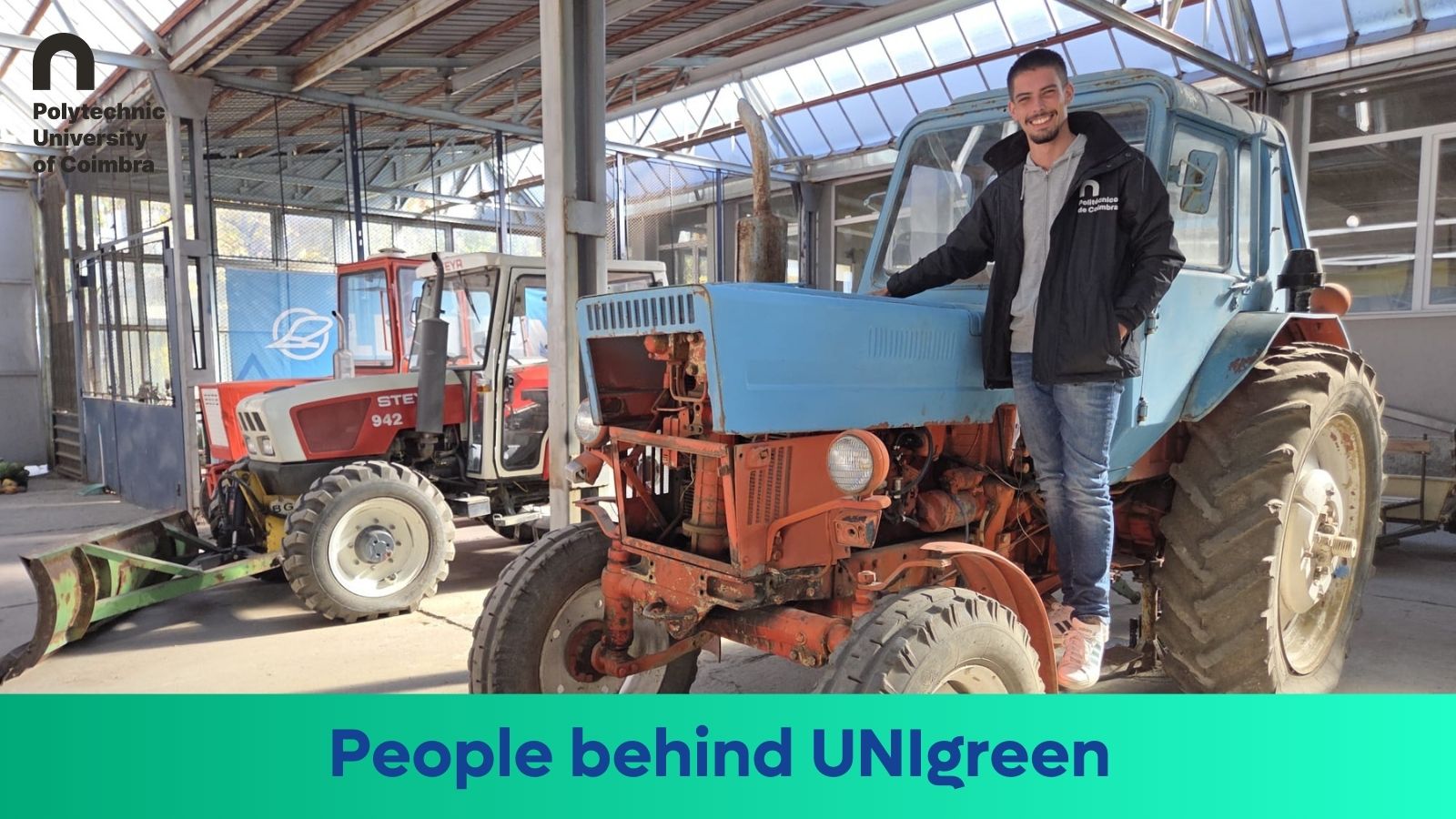
People behind UNIgreen: João Durão
Could you briefly introduce yourself?
Hello! I am João Durão, the UNIgreen Ambassador at the Polytechnic University of Coimbra, driven by a genuine passion for Ecotourism. I see myself as someone who builds bridges. I joined UNIgreen because I believe the solutions to our planet’s biggest challenges cannot be found in isolation. As an Ambassador, my goal isn’t just to attend meetings, but to spark enthusiasm in students and colleagues about what Europe can offer them. Beyond sharing ideas, I love being someone who connects dreams to international opportunities.
Can you share a concrete way in which UNIgreen is having a positive impact?
For me, the real impact of UNIgreen isn’t in the paperwork, but in the people. The most powerful thing I have witnessed is the sense of belonging it creates. UNIgreen is turning “foreign” universities into a family of campuses. A concrete example is how we are now tackling sustainability with shared hands-on projects. When I see students from different countries “getting their hands dirty in the same soil,” sharing knowledge that textbooks alone cannot teach, I see the future changing. We are building a community where a student from Coimbra feels at home in a laboratory in Modena or Plovdiv, united by a care for nature.

What’s a lesson you’ve learned from working with such a diverse and international team?
The biggest lesson has been humility and the art of listening. Working with this diverse team taught me that there is no “single way” to view sustainability. I used to think my local approach was the norm, but hearing my colleagues share their realities opened my eyes. I learned that our differences aren’t obstacles to overcome; they are the ingredients for better solutions. It has made me a more empathetic professional, realizing that true collaboration is about understanding different perspectives.

If UNIgreen were a plant, how would you describe it?
I would describe UNIgreen as a Wildflower Meadow (polyculture). It is not a manicured lawn where every blade of grass is the same. Instead, it is a mixture of different species, each with different colors and needs. Yet, they thrive together because they support each other; some fix nitrogen for the soil, others attract bees for pollination. Just like us! We are different institutions, but growing together makes us more resilient to pests and storms than we ever would be as a monoculture.
-
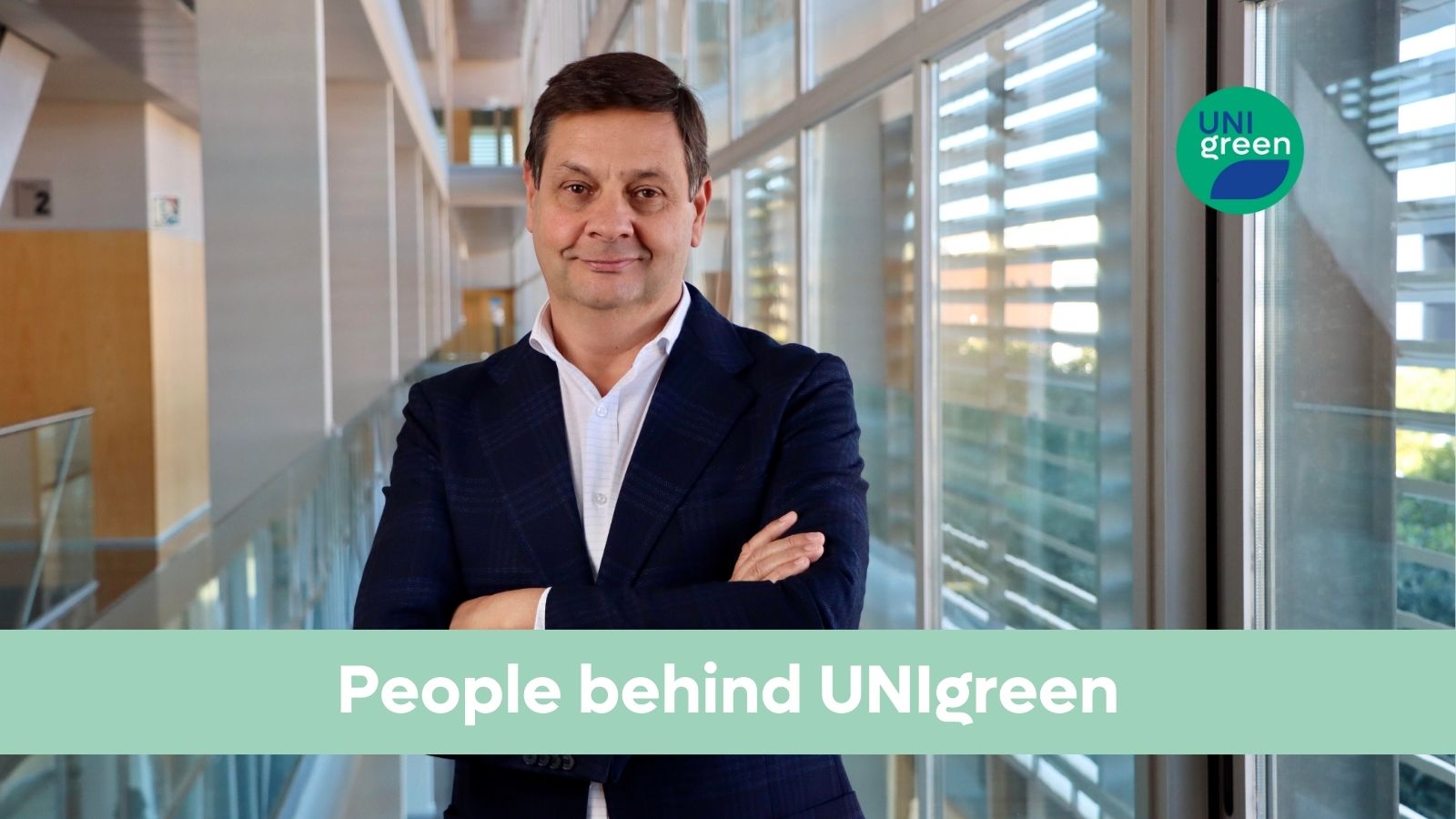
People behind UNIgreen: José Antonio Sánchez
Could you please introduce yourself?
My name is José Antonio Sánchez Pérez. I am full professor at the Department of Chemical Engineering of the University of Almería. My main current research line is solar treatments for wastewater disinfection and decontamination for water reuse. As for research diffusion, I have collaborated in several activities, the main contribution being the organization (as leader scientist) of an exhibition at the Parque de las Ciencias de Andalucía, Granada, Spain, with the activity “Ventana a la Ciencia” (2018).
Regarding institutional responsibilities, I was the director of the Solar Energy Research Centre (CIESOL), a joint centre between the University of Almería and the Plataforma Solar de Almería (PSA), from 2015 to 2022. I also held the position of Director of the University Chair “Cátedra Aqualia del ciclo integral del agua” between 2020 and 2022. I am the secretary of the Spanish Board on Water Treatments (Sociedad META) since 2010. Currently, I am the vice-rector for Science Policy of the University of Almería.
My role at UNIgreen begun as part of the WP3 and lately I moved to the Scientific Council.
Which added value or benefits of UNIgreen would you like to highlight, and why?
UNIgreen means the union of different European sensitivities around a very hot topic: green agriculture and sustainable development and, more specifically, Sustainable Agriculture, Green Biotechnology, and Environmental and Life Sciences. And this comes from 8 universities as creators and disseminators of knowledge, aimed at the youngest part of the European population, which means promoting sustainability for the near future.
I would highlight the transnational and interdisciplinary dimension of UNIgreen due to the relevance of achieving a holistic European solution to combat climate change along with making the food supply chain safer and healthier for people and for environment.
Please tell us what UNIgreen means to you, and use one word to describe it.
From my point of view, UNIgreen is a great opportunity for Europe to be leader in the field of Sustainable Agriculture, Green Biotechnology as well as Environmental and Life Sciences.
Because of there is no future without sustainability, the word to describe UNIgreen is FUTURE.
-
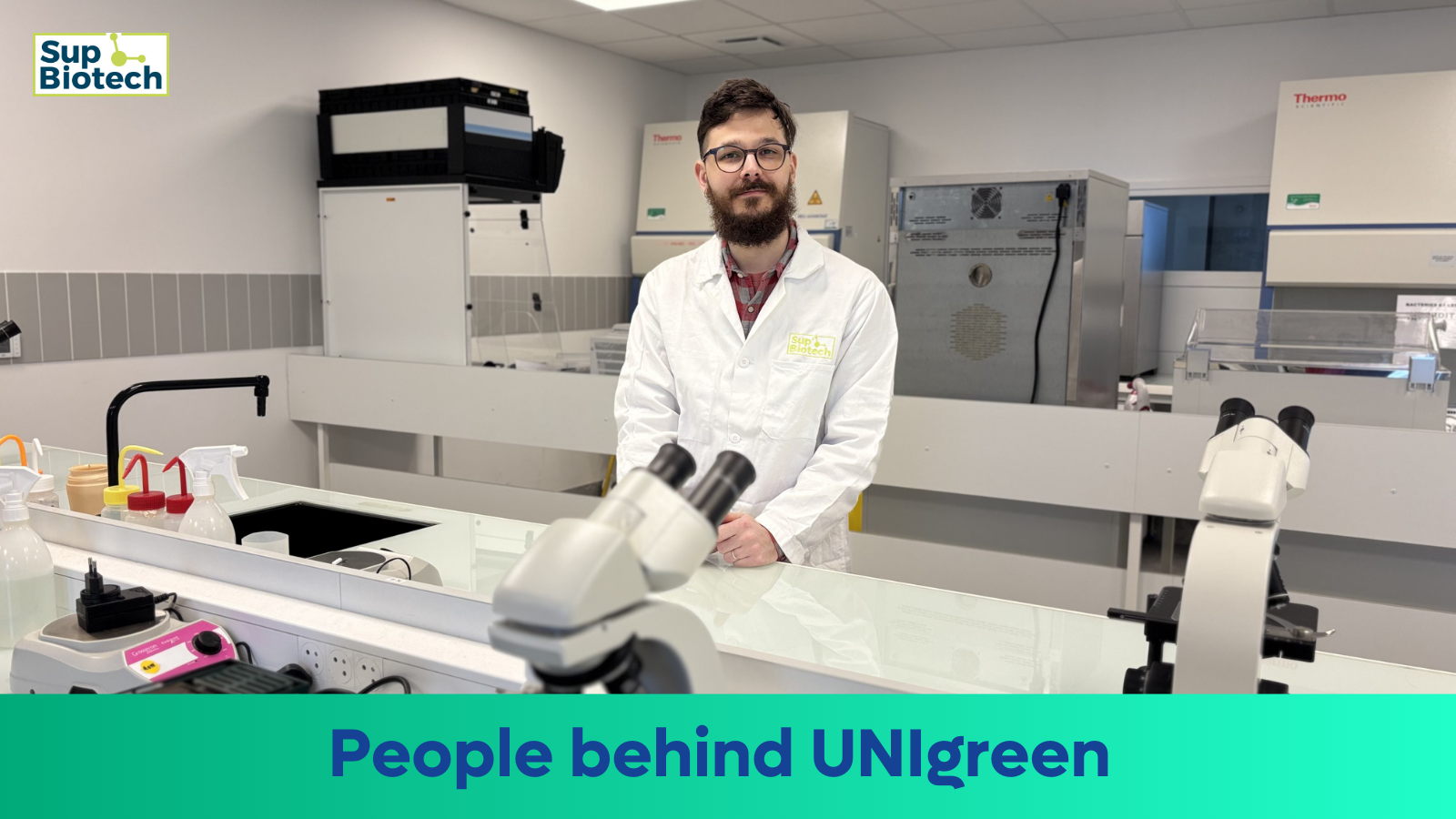
People behind UNIgreen: Julien Grimaud
Could you briefly introduce yourself?
I am an Assistant Professor of Life Sciences at SupBiotech, where I teach a range of undergraduate and graduate courses. I also coordinate the “Centre pour la Valorisation de la Recherche Étudiante” (Center for the Development of Student Research), a key initiative dedicated to promoting, supporting, and publishing research conducted by students in SupBiotech’s laboratories. And last but not least, I am a member of the UNIgreen’s Quality Committee.
Can you share a concrete way in which UNIgreen is having a positive impact?
UNIgreen is certainly making a positive impact through its student and employee exchange programs! Some of my students, and even some colleagues, joined exchange programs at UNIgreen universities abroad. This helped them improve their academic skills, confidence, and cultural understanding. The exchange experience also motivated them and supported their future studies and careers.
What’s a lesson you’ve learned from working with such a diverse and international team?
Before joining UNIgreen Quality Committee, I was (and still am) a member of SupBiotech’s own quality management taskforce. Working with UNIgreen has given me a new perspective on how quality management is handled in other countries. Through discussions with international colleagues, I learned that universities use different tools and methods to ensure quality, depending on their context and priorities. This helped me better understand alternative approaches to evaluation, monitoring, and continuous improvement.

If UNIgreen were a plant, how would you describe it?
If UNIgreen were plants, it would not be just one plant, but a whole forest. This forest is full of different trees, flowers, and animals, all living together and supporting each other. Every part has its role, and together they create balance and harmony. The forest is never still, it is always growing, changing, and moving, just like the network of universities, students, and teachers in UNIgreen. Its diversity and constant activity make it strong, resilient, and full of life.
-
People behind UNIgreen: Karol Chrobak
Could you briefly introduce yourself?
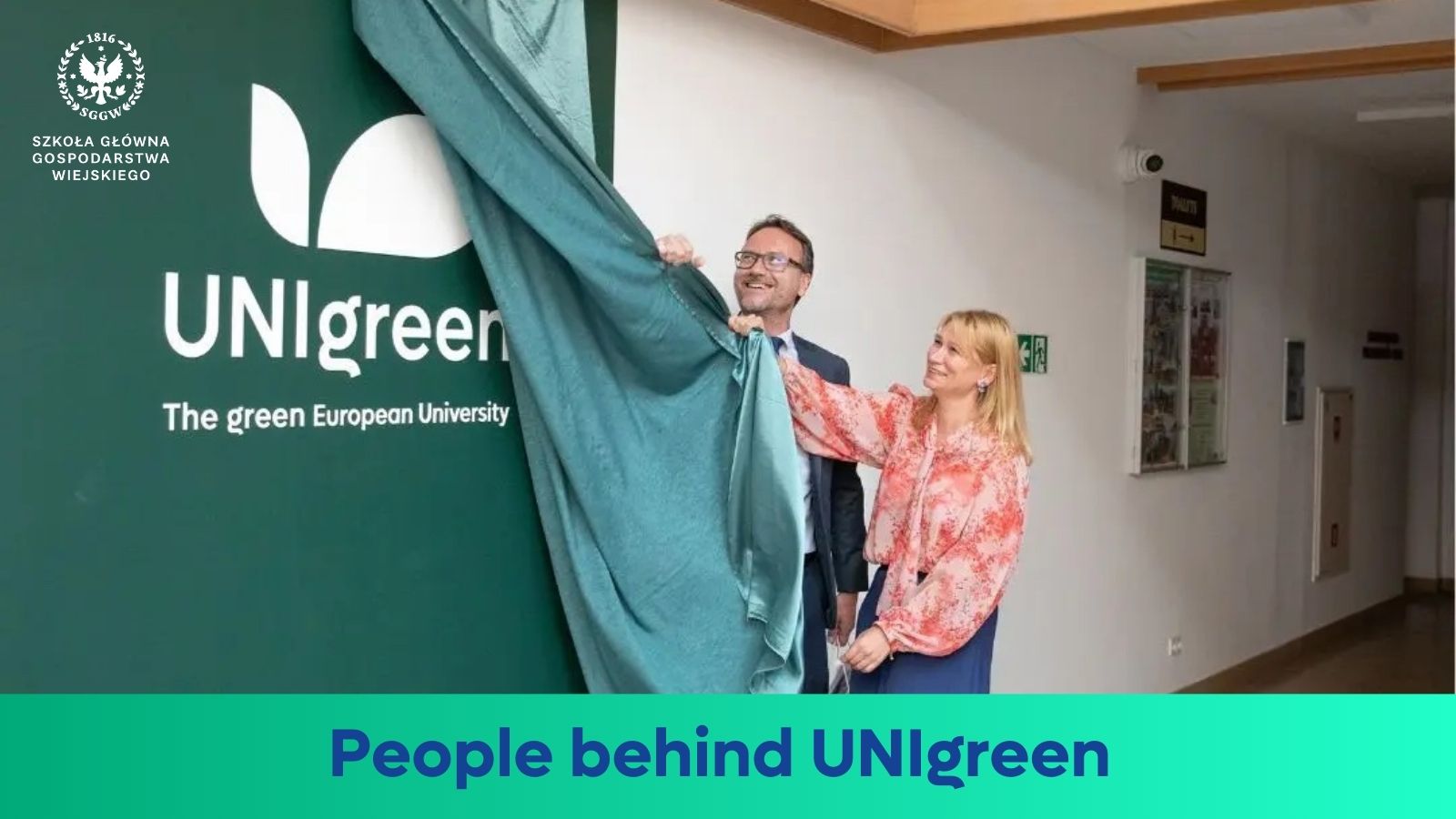
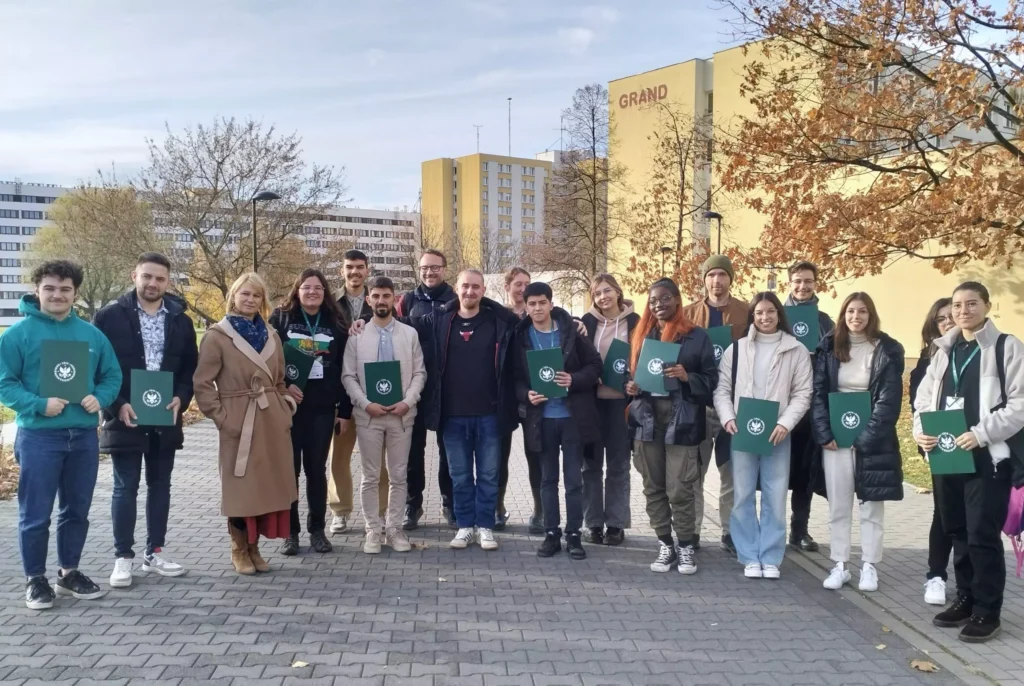
My name is Karol Chrobak. I am an Associate Professor at the Warsaw University of Life Sciences (SGGW), working at the Institute of Sociological Sciences and Pedagogy. My academic work is deeply rooted in philosophy; I am teaching a range of subjects, including the history of philosophy, logic, ethics, and political philosophy. In my research, I am focusing on areas closely related to sociology, including social ontology and social and political philosophy. Within the UNIgreen alliance, I am the SGGW Local Project Manager. Additionally, I serve as a member of the Board of Directors and the WP1 project team.
Can you share a concrete way in which UNIgreen is having a positive impact?
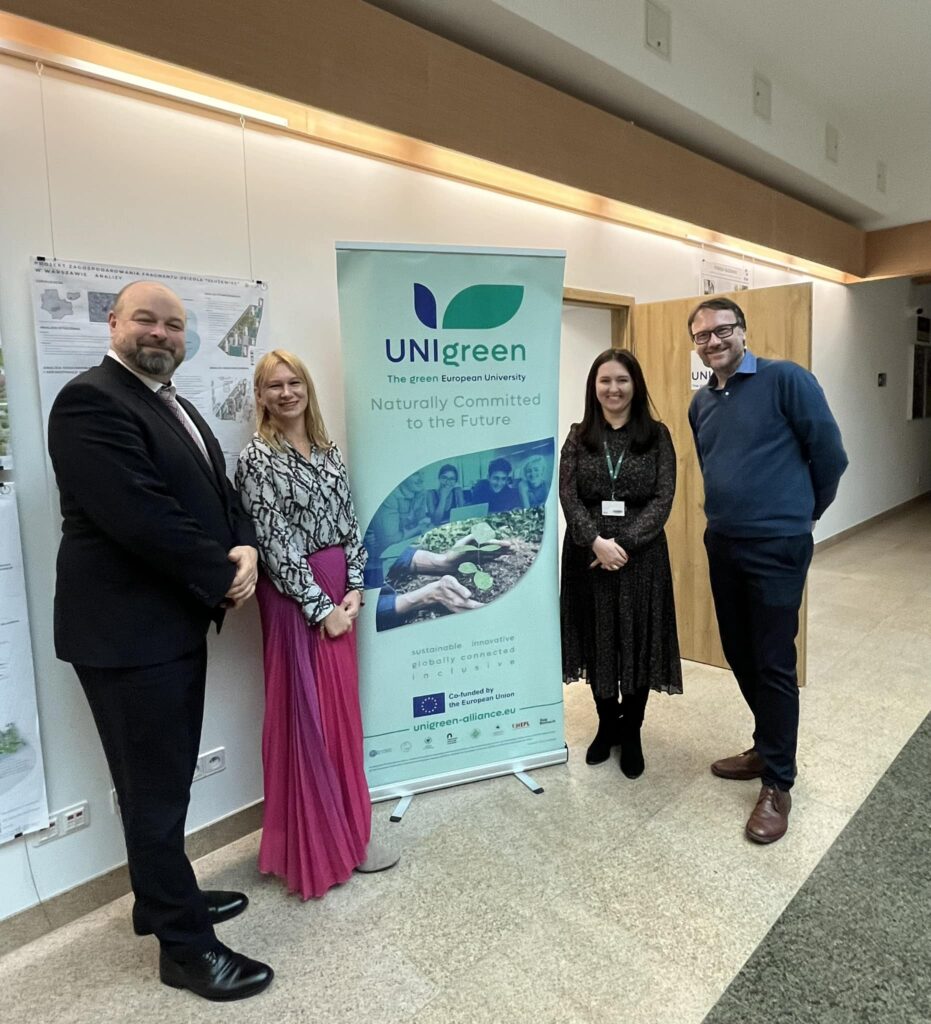
For me, the added value of the UNIgreen Alliance is building a community of people. In a nutshell, the initiative aims to create a network that connects academic centres from various European countries. Such a community is expected to include everyone from the academic community: students, academic teachers, researchers, and administrative staff. UNIgreen aims to offer everyone real benefits from international cooperation, such as flexible study paths, a broad exchange of researchers working on common projects, and a forum for teachers and staff to share their experiences. For SGGW specifically, the value lies in strengthening our international visibility and credibility, enabling a well-coordinated team to speak with one voice and represent our university with confidence and ambition.
What’s a lesson you’ve learned from working with such a diverse and international team?
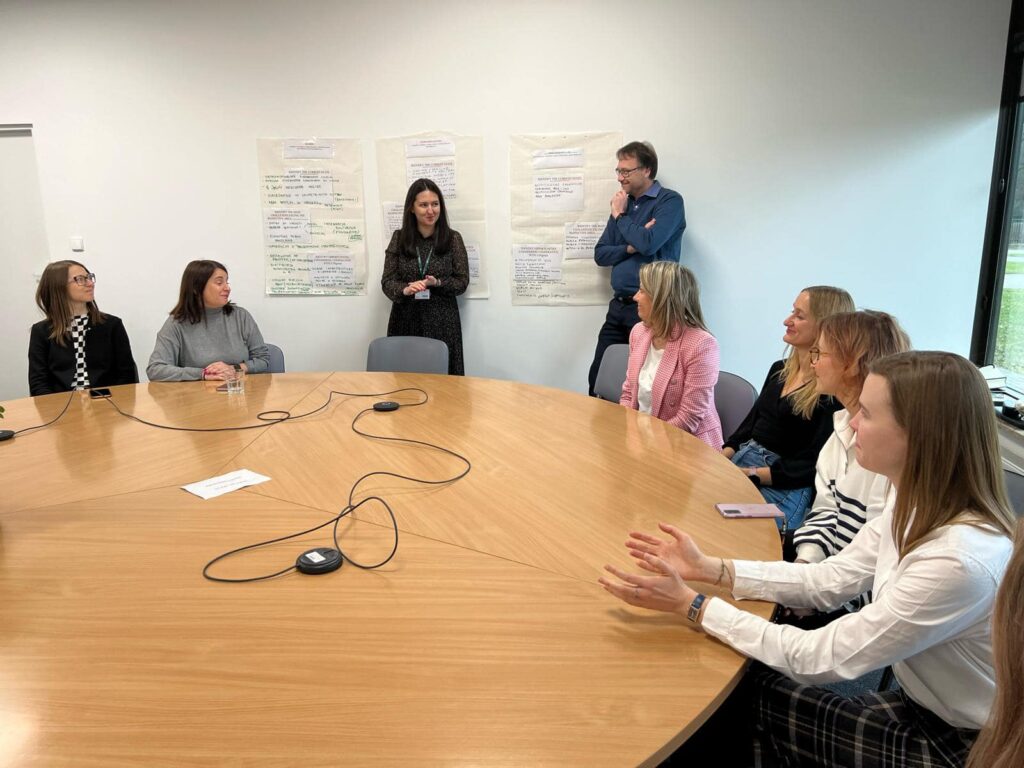
If I had to describe one lesson I have learned from UNIgreen, it would be the importance of working within a “team.” To me, this means a community of people working together toward shared goals. I am also thinking of our university team, which has come to know one another very well over the past three years. All SGGW coordinators meet monthly at the university’s UNIgreen Office to share information from their respective areas and to collaborate on finding optimal solutions to the challenges we face. These meetings often develop into intense discussions that extend well beyond the scheduled two-hour timeframe. Through this exchange, we learn how to navigate differences and how to become stronger by working together.
If UNIgreen were a plant, how would you describe it?
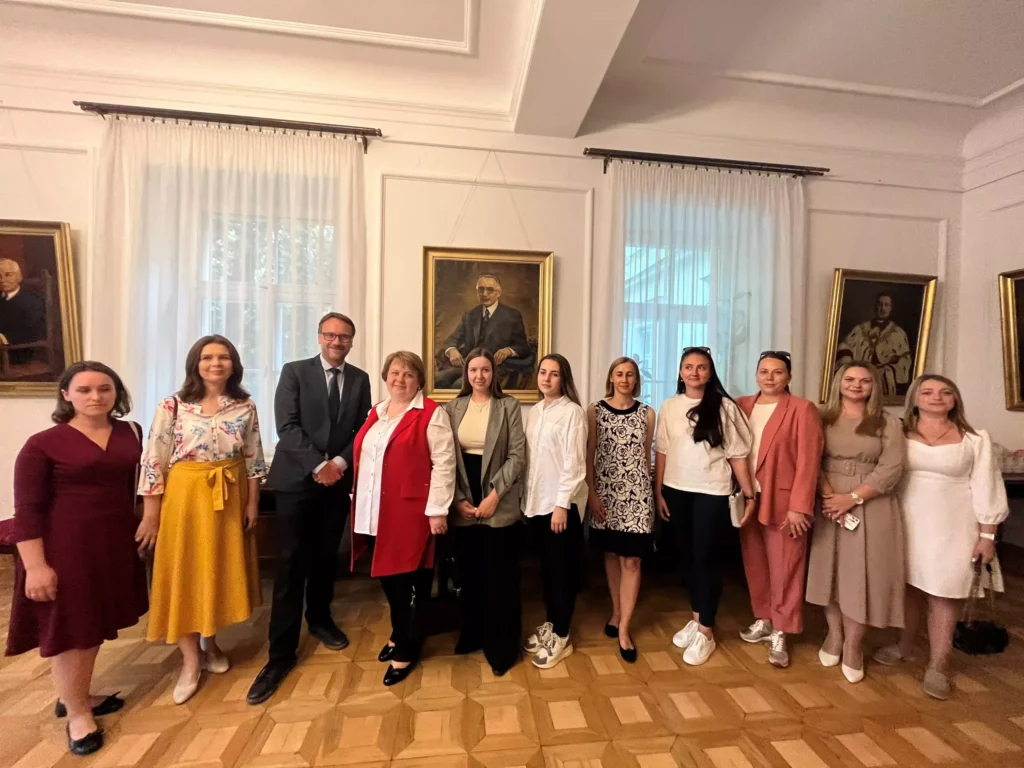
UNIgreen can be illustrated by a group of trees connected by an invisible underground fungal system. Each tree grows independently, but the underground system makes cooperation possible by enabling the exchange of nutrients, signals, and support. What gives such a system strength and resilience is not uniformity, but mutual connection. In a similar way, UNIgreen aims to build closer collaboration among autonomous universities by improving communication, cooperation, and mutual exchange. The ambitious goal of the alliance is to create a strong network in which diversity is preserved, but shared challenges are addressed together through trust, learning, and joint effort.
-
People behind UNIgreen: Lara Portugal
Could you briefly introduce yourself?
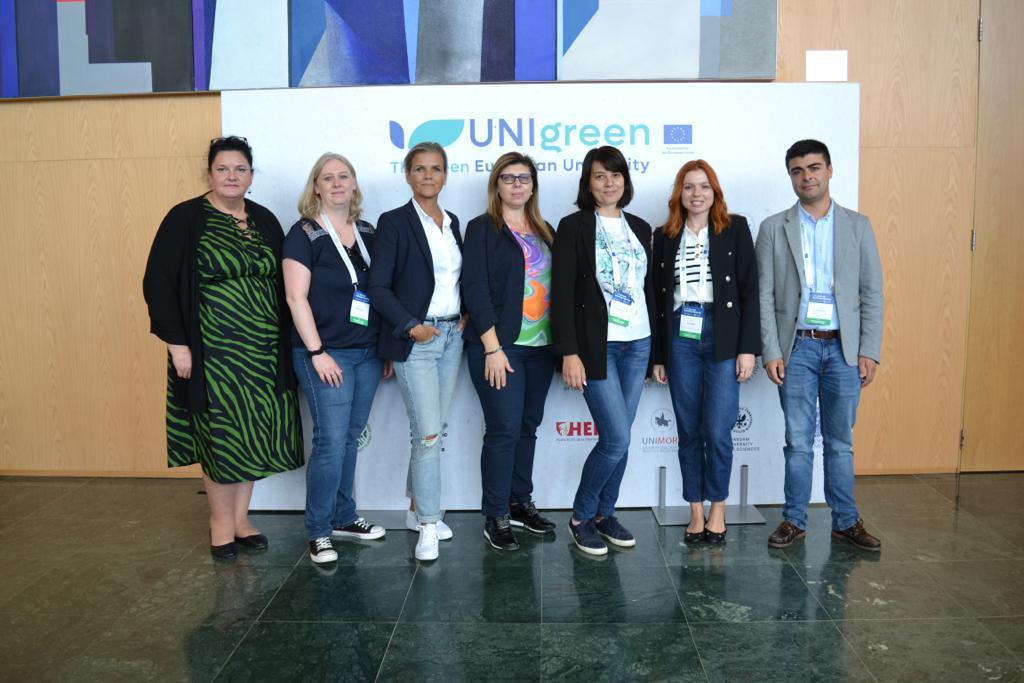
My name is Lara Portugal, and I am a knowledge valorisation manager at INOPOL Entrepreneurship Academy, the organic unit responsible for promoting innovation and entrepreneurship, knowledge transfer, and employability at the Polytechnic University of Coimbra. I collaborate in WP6 – Knowledge Transfer, Society and Ecology, which is responsible for supporting the ecological transition within the Alliance and promoting the development of multilateral synergies between education, research, businesses, and industry, with the main objective of strengthening capacity building, as well as the production and transfer of knowledge and solutions, in close coordination with the needs of local communities and the labour market.
Can you share one concrete way UNIgreen is making a positive impact?
UNIgreen has increasingly established itself as a disruptive agent in the European Higher Education space, promoting sustainable, inclusive and innovative practices. Through cooperation between universities, research centers, businesses and industry, the Alliance fosters the creation of synergies that strengthen capacity building, knowledge production and the transfer of solutions aligned with major societal challenges. Its contribution to the ecological transition, the promotion of academic and scientific mobility and the development of skills that respond to the demands of the labour market and the needs of local communities is particularly noteworthy. In this way, UNIgreen acts as a driver of innovation and social impact, responding to the needs of local communities and the labour market, in line with the priorities of the European Union.
What is one lesson you’ve learned from working with such a diverse and international team?
Working with such a diverse and international team has revealed that the true value of a project lies in the plurality of perspectives. Each person brings different experiences, contexts, and ways of thinking, which greatly enhances the ability to find creative and effective solutions. I learned that active listening and clear communication are essential for building trust and understanding, especially when working in different cultures. I also realised the importance of flexibility and openness to adapting new ideas and methods. This experience reinforced my conviction that diversity is not only an added value, but an essential driver for innovation, inclusion and collective success.
If UNIgreen were Plants, how would you describe them?
If UNIgreen were plants, it would be like a living and diverse forest. There would be strong trees, representing the solid knowledge and roots of our institutions, climbing plants, spreading and connecting people and ideas, and flowers of various colours, bringing diversity, creativity and new perspectives. Together, they form a living, sustainable and fertile space, always growing and renewing itself.
-
People behind UNIgreen: Laura Grácio
Could you please introduce yourself?
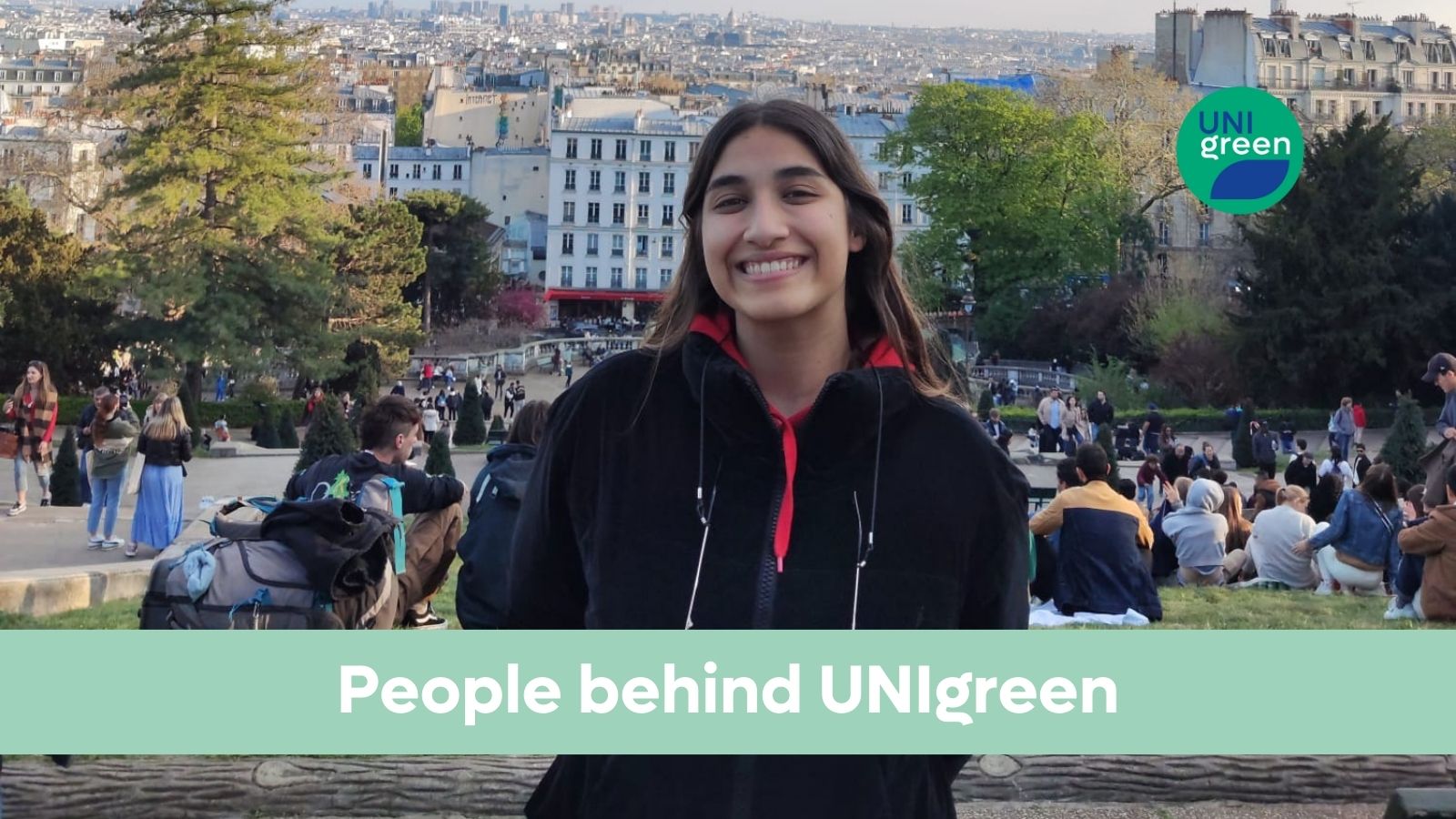
My name is Laura Grácio, I’m from Portugal and I’m studying at the Polytechnic University of Coimbra. I’m in the 3rd year of my Bachelor’s in Food Technology. I’m an ambassador at UNIgreen.
Which added value or benefits of UNIgreen would you like to highlight, and why?
For me, with UNIgreen any individual can achieve their maximum potential. The possibility to study in different countries is one of the most valuable and beneficial opportunities that a student can have. It brings you so much experience and different perspectives in life and having someone who you can relate to and hear their experiences will help you to be more confident and in the end you will be able to enjoy it more.
Please tell us what UNIgreen means to you and use one word to describe it.
UNIgreen means a new and fresh era of opportunities and innovation, so if I had to describe UNIgreen in one word it would be “Opportunities”.
-
People behind UNIgreen: Miguel Giménez
Could you briefly introduce yourself?
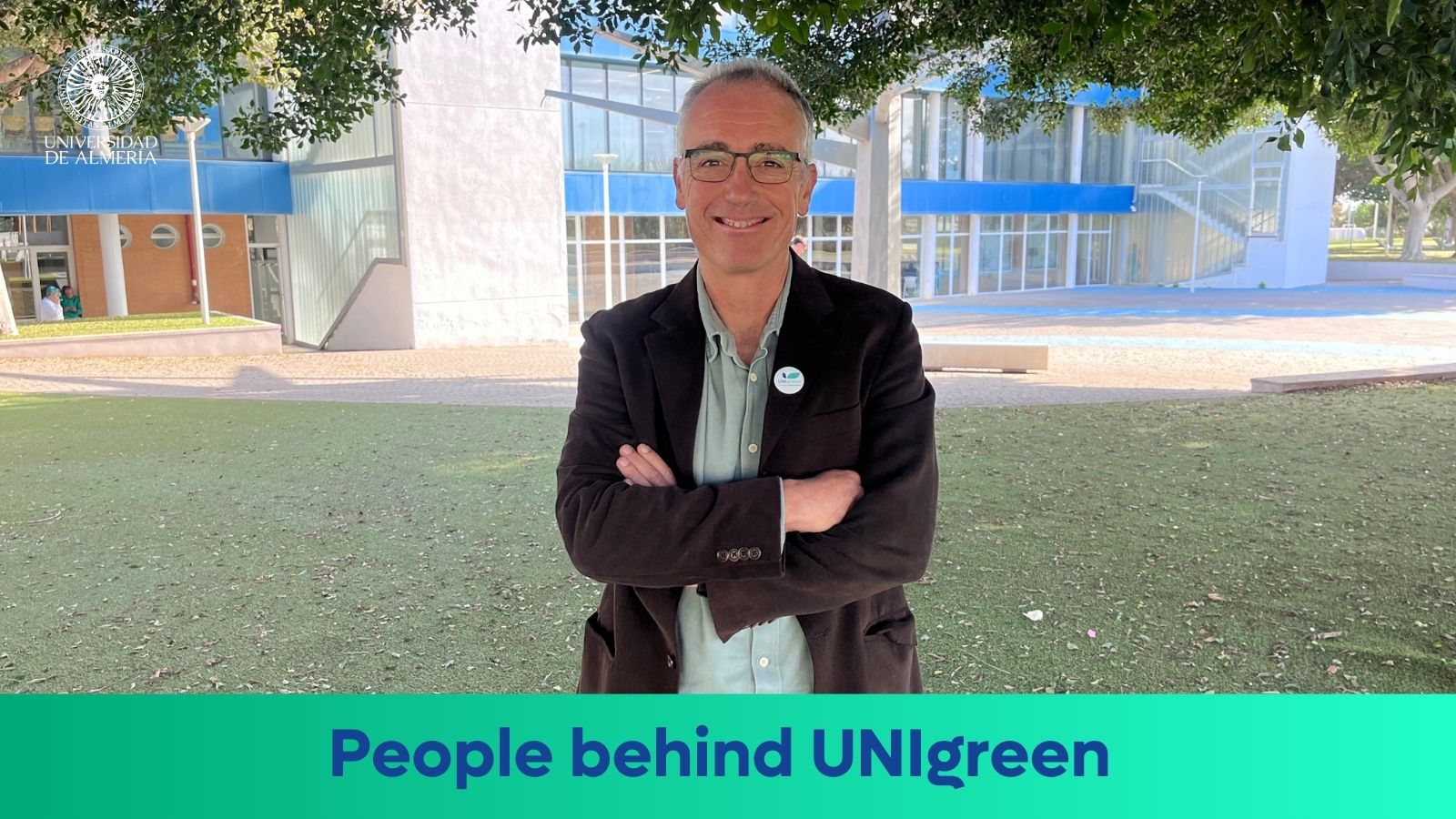
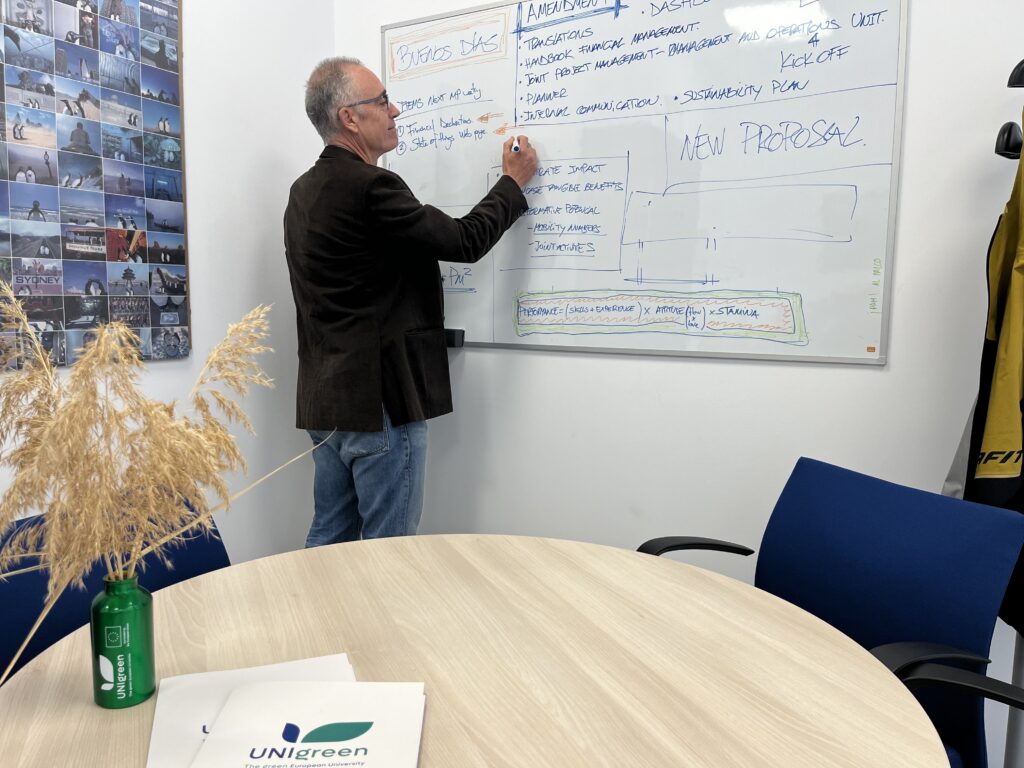
So, what’s the scoop? I’m Miguel Giménez-Moolhuyzen, from the University of Almería, and I’m thrilled to be part of this wild, wonderful adventure called UNIgreen. Officially, I wear a few hats: UNIgreen Project Manager and Coordinator of the Joint International Centre. Unofficially? I’m the resident firefighter, ready to quench any “emergency” flames that pop up!
My journey here was fueled by a lifelong obsession with agricultural innovation. While I love research, my real “happy place” was making sure those brainy results actually helped farmers thrive, both as business owners and guardians of our planet. Let’s face it: you might see a doctor once a year, but you eat every single day! In these crazy times, a resilient food system isn’t just a goal; it’s our recipe for survival.
Can you share a concrete way in which UNIgreen is having a positive impact?
Without downplaying its vital role in mapping out a path for other universities toward a greener, more innovative, and cutting-edge education, one that is sensitive to diversity and champions inclusivity, I must say the impact goes even deeper.
While it’s brilliant to have international mobility perfectly integrated with systemic research, the real magic is the positive impact on our corporate cultures. Seeing a true sense of belonging “soak in” across all levels of our institutions is a massive win. That feeling of shared responsibility isn’t just a goal; it’s a reality. It turns out that when we grow together, we don’t just change the curriculum, we change the community!
What’s a lesson you’ve learned from working with such a diverse and international team?
I’ve learned more than one. First, that the compatibility of governance structures within work teams is essential for a balanced work culture. Also, that people must be able to decide autonomously within their area of responsibility; overly vertical hierarchies can slow down the pace in a complex environment like UNIgreen. I’ve seen that quality assurance must be perfectly integrated into every process and, above all, that the personal relationship component is key. As someone mentioned at last year’s JIC meeting, I might end up sounding like a football coach. Perhaps one from the Champions League?
If UNIgreen were a plant, how would you describe it?
I’d describe us as a plant with consistent vegetative growth under the right conditions, yet resilient enough to thrive during adversity. We have low water and fertilizer needs highly efficient with our resources topped with a beautiful, striking bloom. Naturally, we’re heterogamous, ideally relying on entomophilous reproduction (I have a soft spot for bees and bumblebees!). To finish, our seeds would be designed for dispersal by the wind or birds! Perhaps we are some species of Crassulaceae or Cactaceae? Regardless, we’re built to last and spread far and wide.
-
People behind UNIgreen: Nathalie Gerlach
Could you briefly introduce yourself?
My name is Nathalie Gerlach, and I am from Belgium. I work at University-College of Province of Liège (HEPL), where I serve as Research Coordinator. I am a Civil Engineer in Electromechanics, specialized in Aerospace, and I also hold degrees in Industrial Management and a PhD focusing on non-destructive testing for composite materials. For more than twenty years, I have combined teaching, research, and applied engineering. Within UNIgreen, I am actively involved in Work Package 3 “Research, Development and Innovation”, contributing my expertise in innovation, sustainability, and collaborative project management.
Can you share one concrete way UNIgreen is making a positive impact?
UNIgreen perfectly illustrates the current momentum in sustainable research and innovation in the fields of green agriculture, biotechnology, and environmental sciences. What strikes me most is its commitment to promoting scientific excellence while generating knowledge that supports the transition toward a carbon-neutral and resource-efficient economy. I particularly value the approach that brings students closer to research, within an inclusive framework of “learning through research,” and the encouragement of an entrepreneurial mindset. This integrated vision—combining sustainability, scientific excellence, and openness to the socio-economic world—represents for me a truly tangible and lasting impact of UNIgreen.
What is one lesson you’ve learned from working with such a diverse and international team?
Working within such a diverse and international team as UNIgreen has taught me the value of open, respectful, and patient communication. Each partner brings their own culture, methods, and perspective, and it is precisely this diversity that strengthens the project. I have learned that successful collaboration depends not only on technical expertise but also on intercultural understanding and adaptability. By sharing our experiences and practices, we build a more inclusive and innovative research community. This experience has deeply convinced me that diversity is a true driver of creativity and collective progress.
If UNIgreen were plants, how would you describe them?
If UNIgreen were plants, I would imagine it as a flourishing research garden, where each species represents a partner university growing in its own environment yet sharing the same roots: sustainability, collaboration, and innovation. Together, these plants form a harmonious ecosystem, capable of adapting, growing, and producing fruits of knowledge beneficial to society. As in a well-tended garden, diversity and collective care allow each plant to thrive, while contributing to the richness and vitality of the whole.
-
People behind UNIgreen: Patrick Gonzalez
Could you please introduce yourself?
My name is Patrick Gonzalez, I am a French assistant professor and a researcher at LRPIA laboratory in SupBiotech, an engineering school in biotechnology. Within UNIgreen, I am co-coordinator of Research and Innovation.

Through my career as a researcher, I have developed an expertise in cell death mechanisms. These are puzzling phenomena that cause cellular self-destruction and which are nevertheless essential to promote life. Today, we use the knowledge about cell death in highly valuable applications for human, plants, or environmental health. For instance, novel anticancer drugs trigger cell death of tumour cells and combat the disease. But these mechanisms are also exploited to develop new environment-friendly solutions that protect crops and plants from pathogens. These possibilities are inspiring my work and my teaching at SupBiotech. Our lab’s goal is to develop prophylactic biological solutions as a substitute to conventional pesticides to mitigate the negative impacts of agriculture on ecosystems. I enjoy sharing this vision with students and involve them in the change through projects that we develop together.
Which added value or benefits of UNIgreen would you like to highlight, and why?
In one sentence, for me, UNIgreen is a unique integrated ecosystem that offers the opportunity to develop highly valuable knowledge, breakthrough research and sound innovation to sustain the ecological transition of agriculture.
On top of it, I am thrilled by the extraordinary diversity of expertise and technical capabilities embedded within UNIgreen. I am convinced that this is a great asset that ensures a multifaceted and holistic training for European students with environment concerns at heart. Also, from research perspective, the resources pooled within UNIgreen create opportunities to develop ambitious research projects for agriculture with a transdisciplinary approach.
Another stricking feature of UNIgreen is openness to stakeholders outside from the academic domain. This also contributes to make teaching and research activities within the consortium relevant for current and future environmental challenges of agriculture. From my point of view, the efforts UNIgreen is making for inclusion are also central for the implementation of discoveries. Co-development of research and innovative solutions with civil society from early stages will facilitate their application in the real world. Overall, I believe UNIgreen is a great nest for creativity to improve agriculture sustainability.
Please tell us what UNIgreen means to you and use one word to describe it.
UNIgreen is for me the right illustration of what solidarity between nations can achieve in Europe. I feel privileged to be part of this initiative because it creates a momentum for people sharing a common vision and conviction to team up for changes. I do believe that the co-development of solutions at European scale will ensure their future implementation and common profit of their positive impacts for Europeans citizens and beyond.
-
People behind UNIgreen: Pilar Casado
Could you briefly introduce yourself?
My name is Pilar Casado and I am lecturer in the field of Accounting and Finance at the University of Almeria. Since 2019, I have had the position of Director in Employability and, being the improvement of student employability and the acquisitions of skills needed in the labour market one of my major commitment. My involvement in the area of Knowledge Transfer, Society and Ecology in UNIgreen has allowed me to raise awareness of the importance of green soft skills for tackling the challenges posed by the new environmental situation.
Can you share one concrete way UNIgreen is making a positive impact?
Becoming aware is the first step to change. Unigreen community is promoting a positive mindset so as to promote sustainable development, connecting education, research, innovation and society. All participants in Unigreen are striving to develop values, attitudes, knowledge, skills and competences that will enable society to foster climate-neutral and resource-efficient economy.
Integrating sustainability principles into our students’ knowledge will have a positive impact on the future labour force, as their knowledge and solutions will be an effective tool in supporting sustainable development goals. What’s more, mobility programmes between the different universities of Unigreen give student the global point of view, making it easier to move from local to global thinking.
What is one lesson you’ve learned from working with such a diverse and international team?
Working in an international team brings academics for different countries in a way that benefits everyone. No matter the special features of each institution, the focus is on achieving the same goal, that is to support the green transition. Sharing ideas and perspectives has allowed me to learn and expand my knowledge of culture and educational systems of the countries belonging to Unigreeen.
Working in such a diverse team has enabled to build stronger ties between the participants of Unigreen, creating a unique approach. Together, we are making our common goal become a reality.
If UNIgreen were Plants, how would you describe them?
The first thing that comes to my mind is an eucalyptus tree. I see UNIgreen as a big, tall tree that can be seen from a long distance away. Furthermore, its thick trunk depicts our common approach. However, it is the length of the eucalyptus tree’s roots that characterises it most, and UNIgreen’s roots or foundations are grounded in the values that reflect our shared commitment to sustainable education, research and innovation in support of a more environmentally friendly and resource-efficient future.
-
People behind UNIgreen: Ricarda Voka Lukensu
Could you please introduce yourself?
My name is Ricarda, and I am a student in industrial engineering at University-College of the Province of Liège (Haute École de la Province de Liège – HEPL). Last year I was a member of the HEPL’s Erasmus Student Network. It is a student network whose aim is to help Erasmus students integrate better into their new environment. I was part of this organization for 3 years, including a year as Vice President. I am currently the HEPL’s UNIgreen ambassador. It is all very new to me, but I am really looking forward to being part of this new family.
Which added value or benefits of UNIgreen would you like to highlight, and why?
What I would like to emphasise about UNIgreen is the collaborative aspect of the project. This collaboration is necessary to share knowledge and best practice, which encourages innovation and improves the quality of teaching and research.
In addition, this collective effort strengthens the link between academia and industry, enabling students to gain real-world knowledge and enhance their employability. UNIgreen’s collaborative framework illustrates the power of unity and shared goals in building a sustainable future.
Please tell us what UNIgreen means to you and use one word to describe it.
For me, UNIgreen is an innovation. A great project that will make a major contribution to future ecology.
-
People behind UNIgreen: Rui Costa
Could you please introduce yourself?
My name is Rui Costa, and I am a professor at the Polytechnic University of Coimbra in Portugal. At my university, I teach in the scientific area of Food Industries, contributing to degree programs in Food Technology, Food Engineering, and related subjects across other academic programs. Within UNIgreen, I serve as the coordinator of the Joint Research Centre for Food Technology, Quality, and Safety.
Which added value or benefits of UNIgreen would you like to highlight, and why?
UNIgreen provides institutions with a distinctive framework to enhance cross-border collaboration, fostering joint research initiatives and educational programs that go beyond national boundaries. So far, we have engaged in a joint PhD program which has proven to be a valuable asset, not only by enriching the international student experience, but also by enriching research through the cross-fertilization of ideas and knowledge from different universities. This collaborative model allows all partners to benefit from each other’s unique strengths. Moreover, it increases our competitiveness in securing EU research funding by providing a solid foundation for cooperation and broader access to networks that were previously more difficult to reach. The initiative thus helps create a unified academic environment, aligning excellence, inclusiveness, and societal impact as shared goals.
Please tell us what UNIgreen means to you, and use one word to describe it.
UNIgreen stands as a promise of unity through diversity, promoting collaboration over competition and fostering cohesion instead of fragmentation. It acts as a transformative force across multiple academic dimensions, enabling individuals and institutions to transcend local limitations. To me, UNIgreen means “synergy”: the combined efforts of diverse institutions, disciplines, and cultural backgrounds generate outcomes that surpass what any single entity could achieve alone.