
-
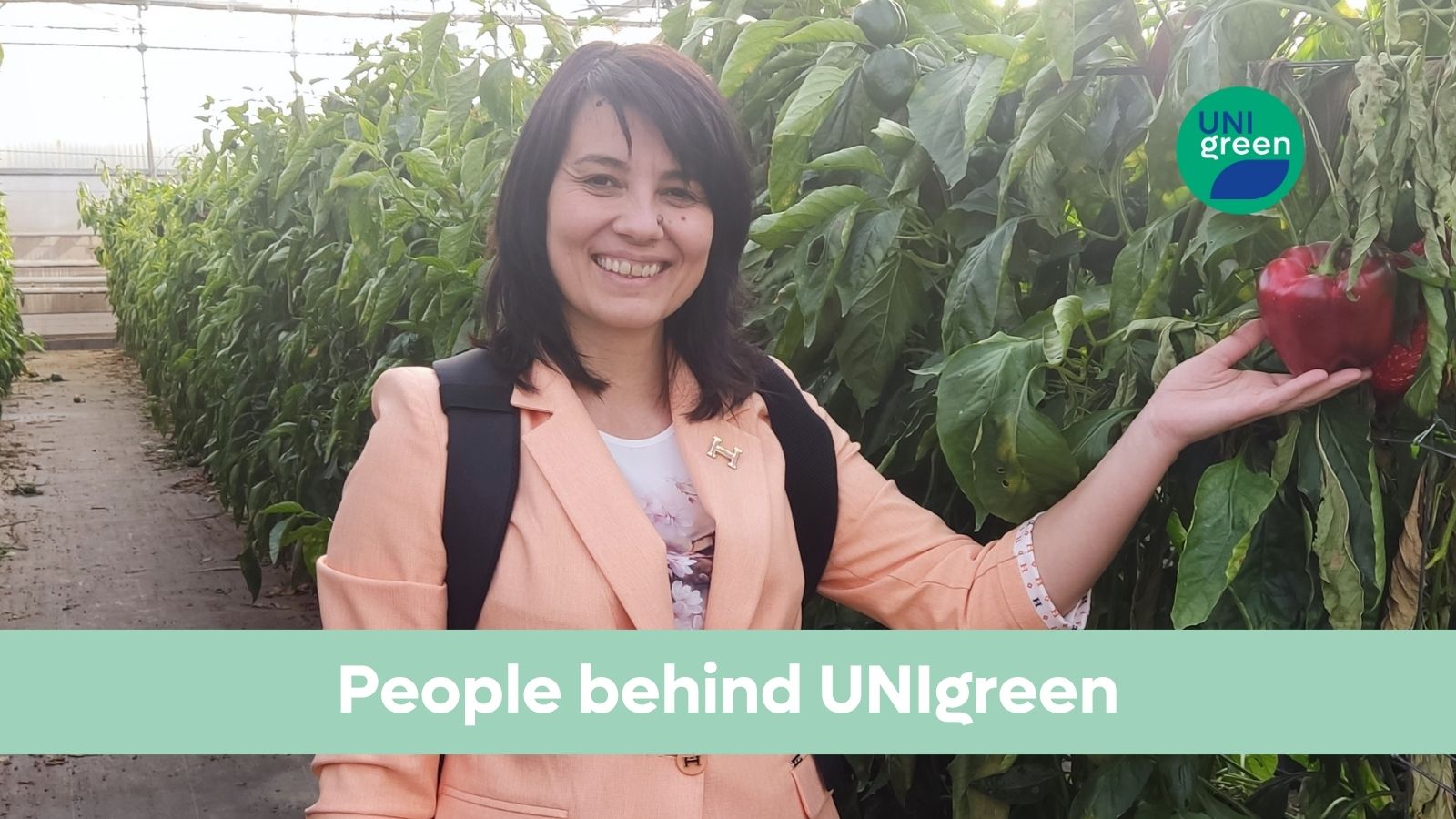
People Behind UNIgreen: Rumyana Georgieva
Could you please introduce yourself?
My name is Rumyana Georgieva, and I am a Chief Assistant Professor in the Crop Science Department at the Agricultural University of Plovdiv. I am part of the Work Package 6: “Knowledge transfer, Society and Ecology”, which is dealing with the Ecological footprint compensation programme, Curricula Rethinking and Forward-Looking skills, Knowledge Triangle programme, and the Skills and Mentoring Labs for employability.
Which added value or benefits of UNIgreen would you like to highlight, and why?
The primary benefit of UNIgreen is the collaborative environment it creates, promoting the exchange of best practices among institutions. It encourages the development of synergies between teaching, research, business, and industry, helping to enhance green skills development, generate knowledge, and create solutions that address the needs of local communities and the labor market. As a result, it facilitates a smoother transition for students into the workforce by aligning their skills with market demands.
Please tell us what UNIgreen means to you and use one word to describe it.
To me, UNIgreen represents “diversity,” which encompasses a range of opportunities, perspectives, and ideas.
-
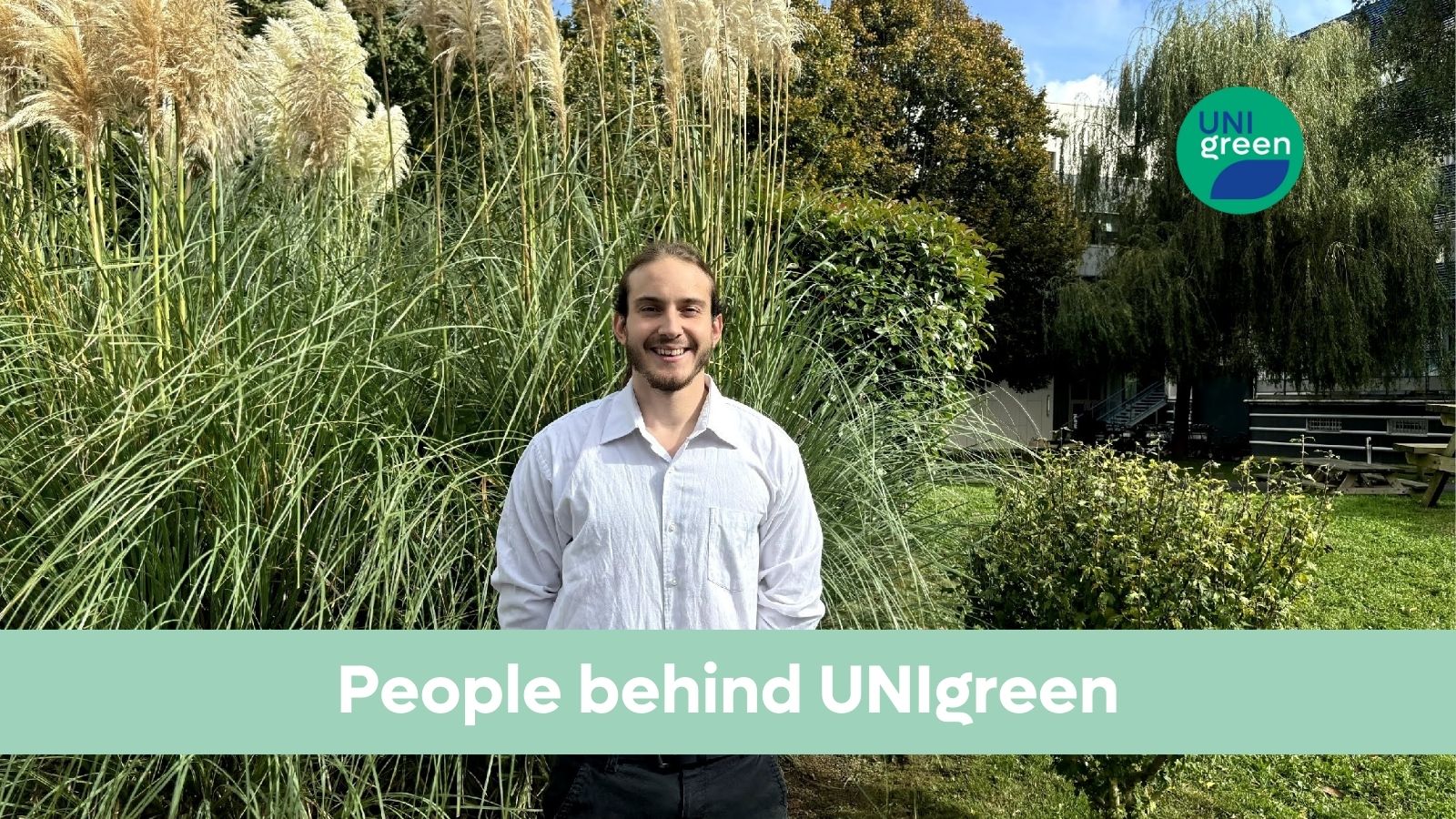
People behind UNIgreen: Simon Houdouin
Could you please introduce yourself?
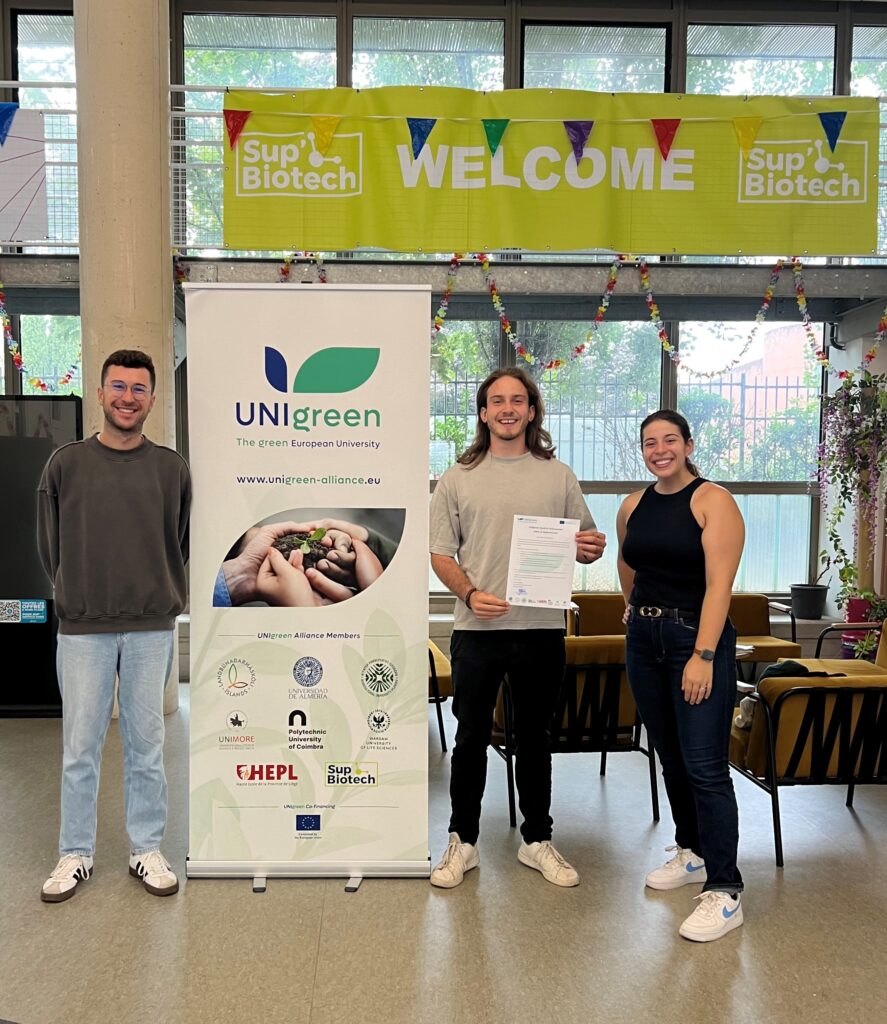
My name is Simon Houdouin and I live in France. I grew up in Paris, however since I have visited other places , in France and in Europe, I want to live somewhere else. However for the moment I am an engineering student in Biotechnologies and my school is SupBiotech, located in the capital. In this establishment I like to use my free time for student associations. After making student’s night live with the Bureau des Élèves and many things about sports as the event responsible in the Bureau des Sports, I joined StopVSS. As Secretaire Général I spent a lot of my time trying to improve the organisation of this association which fights against sexual and sexist violences. This position is complementary with my job as Equalities Referent and I discuss a lot with the administration of my school.
I am also a facilitator of the 2tonnes workshop which tries to raise awareness of environmental issues : my friends and I have set up a plan for all the students at my school that allows them to participate in this workshop. These positions allowed me to get in touch with the UNIgreen administration. After discussions I decided to accept their proposition of being an ambassador. My role is to promote the Alliance by participating in meetings and communicative campaigns. I also try to be a driving force for this young entity.
Which added value or benefits of UNIgreen would you like to highlight, and why?
To address the challenges of the 21st century, higher education plays a pivotal role. Across the globe, programs are being developed to equip individuals with the tools needed to drive positive change. Since 2017, numerous alliances have been established throughout Europe, aiming to foster unity among universities and create a cohesive network for European students, because we are the future european citizens.
ALLIANCE = UNIVERSITIES + STUDENTS
UNIgreen, like many young initiatives, faces numerous internal challenges, particularly in its organizational structure. Building a strong, cohesive network across multiple universities and countries comes with complexities, from aligning diverse visions to coordinating efforts across borders. However, these challenges are part of what makes UNIgreen’s mission so important.
I am eager to contribute my part to this growing project because I believe deeply in the European Union and the power of collaboration across nations. By adding my own brick to this edifice, I am helping to shape a more united, sustainable, and innovative future for Europe.
Please tell us what UNIgreen means to you and use one word to describe it.
To me, the best word to represent UNIgreen is solutions.
Not because it is the solution itself, but because it actively seeks solutions. UNIgreen places a strong emphasis on research in critical fields such as environmental and resource challenges, agriculture, and sustainable practices. It addresses the pressing issues faced by local communities and works to improve higher education across eight countries. UNIgreen is not just about fostering unity within Europe, but also about empowering students and researchers to find the answers to some of our biggest global challenges.
-

Plovdiv Highlights Bioeconomy’s Role in Green Growth
On July 2, 2025, at 10:00 AM, the Agricultural University – Plovdiv hosted a highly engaging seminar “Bioeconomy as a Driver of Green Growth: Conceptual Foundations, Policy Strategies, and Long-Term Development Pathways.” The event occurred in person and primarily targeted PhD students, offering them valuable insights into one of the most dynamic and transformative areas.
Assoc. Prof. Rositsa Beluhova-Uzunova, PhD, a member of the Department of Economics, led the seminar. With a background in agricultural economics and research interests focused on bioeconomy, rural development, and agricultural policy, she provided an in-depth and accessible overview of the bioeconomy’s strategic role in shaping a more sustainable future.
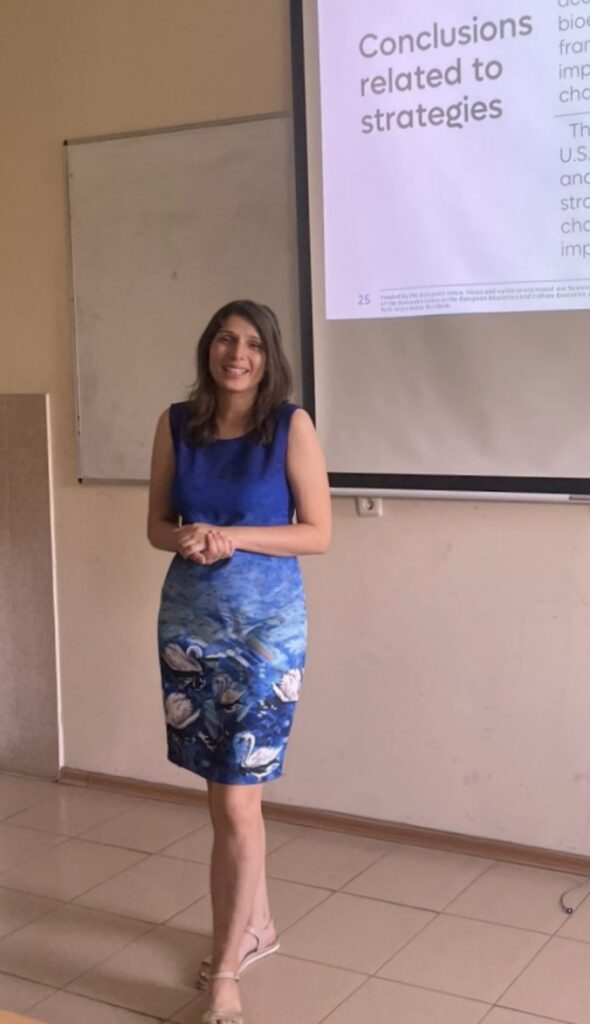
The seminar explored the evolution of the bioeconomy concept, tracing its theoretical roots. It also addressed the key drivers behind the development of the bioeconomy, such as climate change, biodiversity, resource efficiency, and the need for fossil fuel alternatives. Attention was given to the limitations and challenges, including policy fragmentation, technological barriers, and sustainability trade-offs.
Assoc. Prof. Beluhova-Uzunova discussed the conceptual frameworks, strategic visions, and key policy strategies at the global and European Union levels in detail. Particular emphasis was placed on the EU Bioeconomy Strategy and the European Green Deal, as guiding instruments for integrating bio-based innovation across sectors such as agriculture, energy, biotechnology, and food systems.
The seminar was not only informative and inspiring, but also closely aligned with the UNIgreen Alliance priorities for green education, reinforcing its commitment to equipping young researchers with the tools and knowledge needed for sustainable transformation.
-
Polytechnic University of Coimbra discussed emerging challenges for Public Health
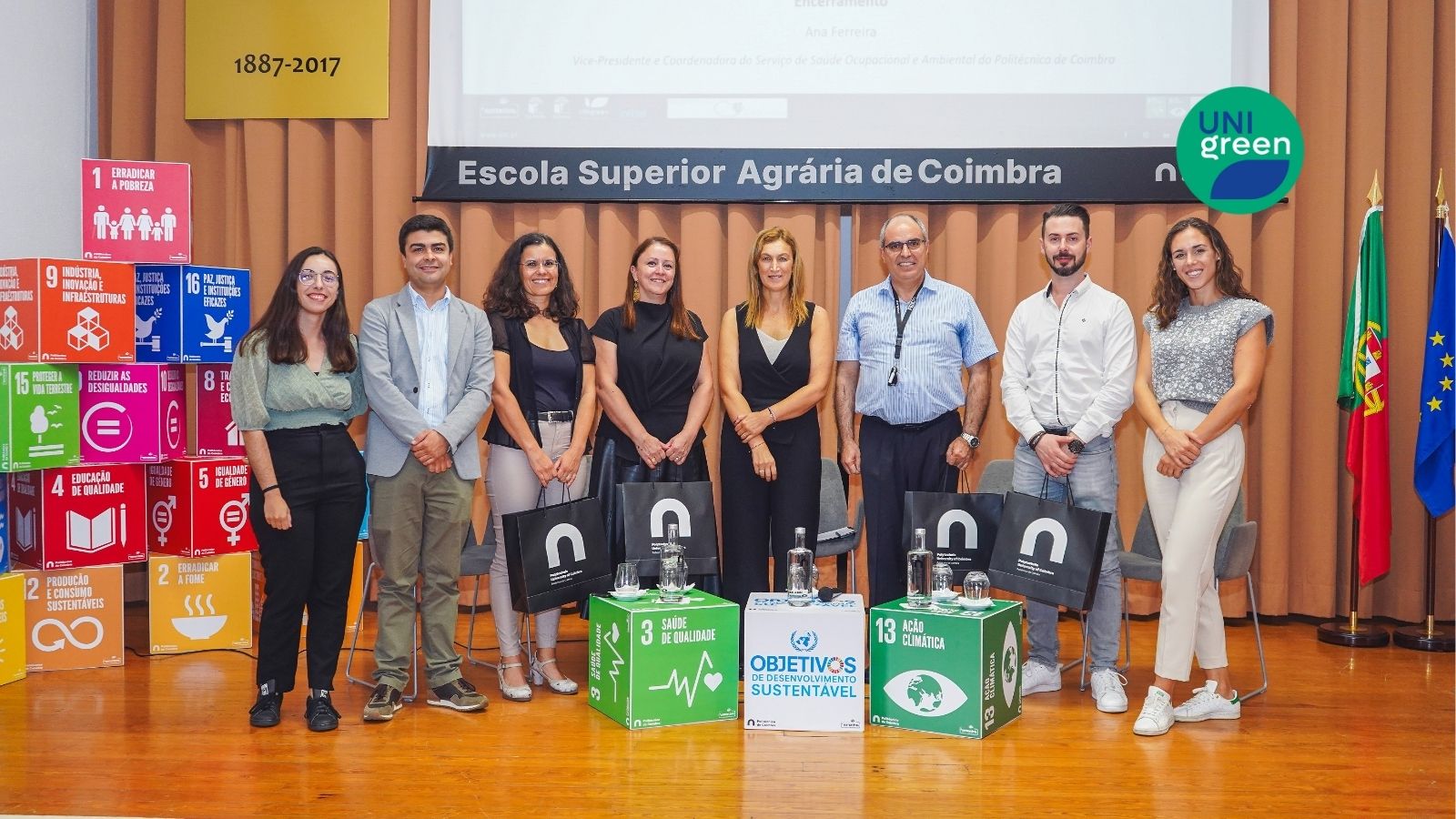
The “Emerging Challenges for Public Health: Vectors, Mosquitoes and Climate Change” Seminar was held on September 26 at the Main Auditorium of the Coimbra Agriculture School (ESAC) of Polytechnic University of Coimbra, where a discussion was held on the emerging challenges that Vectors and Climate Change have brought and represent for public health.
The event began with speeches by Daniel Oliveira, Technical Director of Rentokil Initial, and Rui Amaro, President of ESAC. In this opening session, the President of ESAC highlighted the relevance of the topic, demonstrating the institution’s willingness to collaborate in the scientific and practical evolution associated with it.
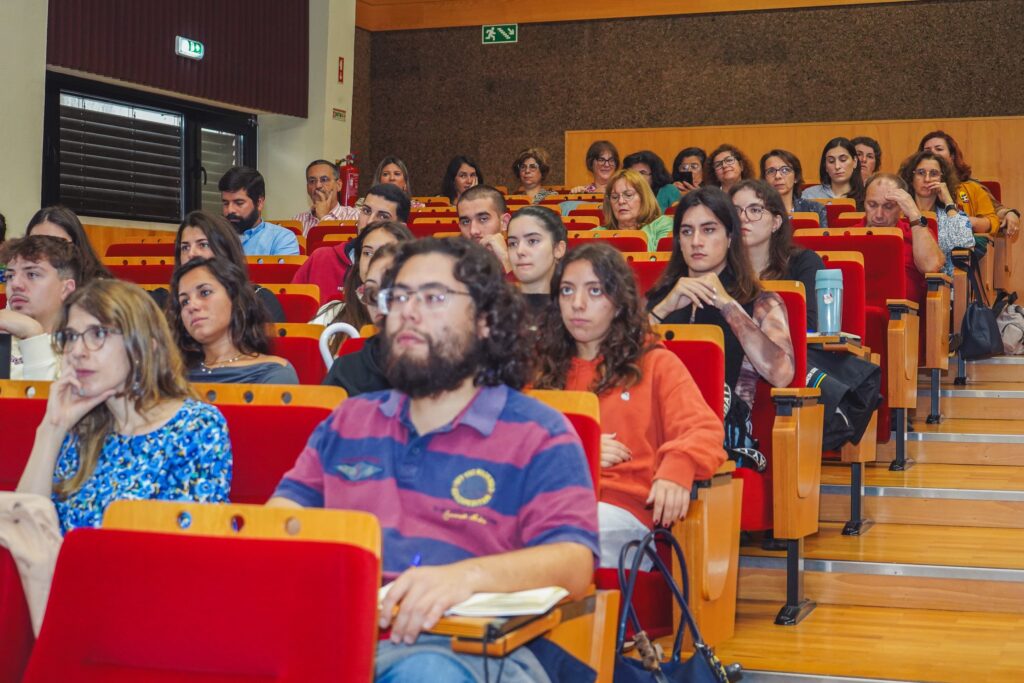
The diversity of speakers invited by the Polytechnic of Coimbra (PUC) provided a morning filled with various points of view on the issues under discussion. From the pest control experience of the Quality Manager at Rentokil Initial, Angelino Pina, to the fieldwork experience with the Vector Surveillance Network (REVIVE) of the Environmental Health Technician at the Local Health Unit (ULS) of the Aveiro Region, Susana Conde, to the more academic and global vision of Susana Paixão (Professor of Environmental Health at PUC’s Coimbra Health School), and the cumulative vision of the Public Health Doctor at the ULS of the Leiria Region, Bartolomeu Alves, who also has a degree in Environmental Health.
Angelino Pina stressed that intervention in the fight against vectors must begin in the community in general, preventing the formation of environments favorable to egg laying. “If we can treat the pest upstream, we are preventing it downstream,” he stated. According to Susana Paixão, “23% of deaths worldwide are related to environmental factors,” which at European level represents “1.4 million deaths.” The professor also stressed that, when it comes to health, there are no borders.
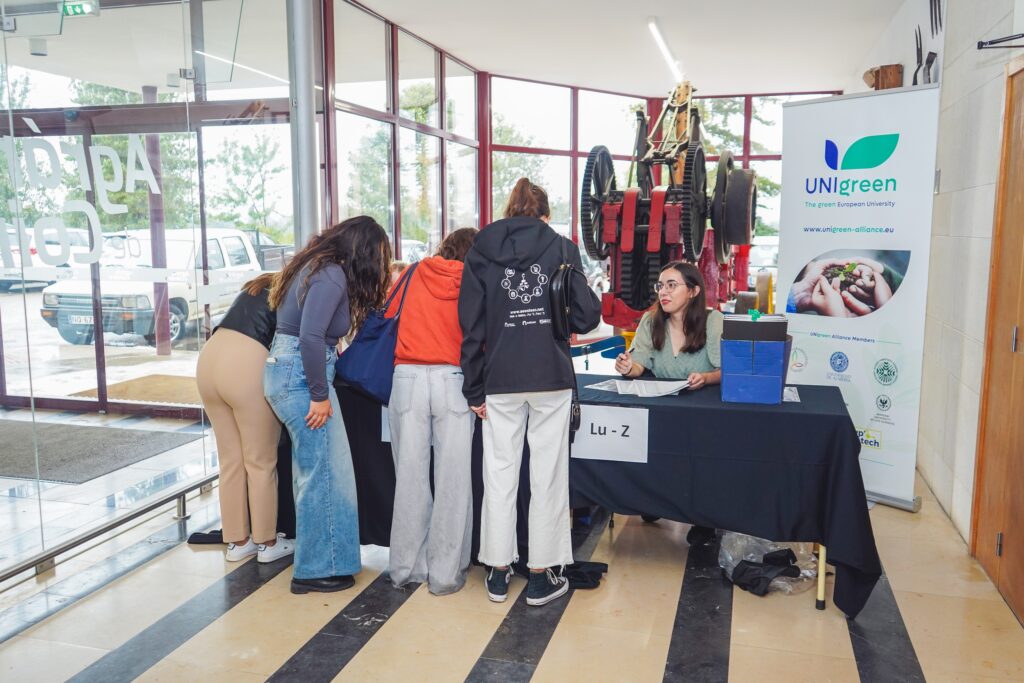
All speakers agreed that raising awareness in the community about more informed vector control is an important step towards controlling the problem, as well as the continuous and consistent carrying out of research studies that allow for the validation and improvement of intervention given this situation.
At the end of the seminar, Ana Ferreira, Vice-President of the PUC, highlighted that the panel showed “that only through multidisciplinarity can we contribute consciously and proactively to the prevention and control of vectors, especially in contexts as broad as climate change and public health, and this work is urgent and extremely relevant”.
-
Polytechnic University of Coimbra honoured for its work in the environmental field
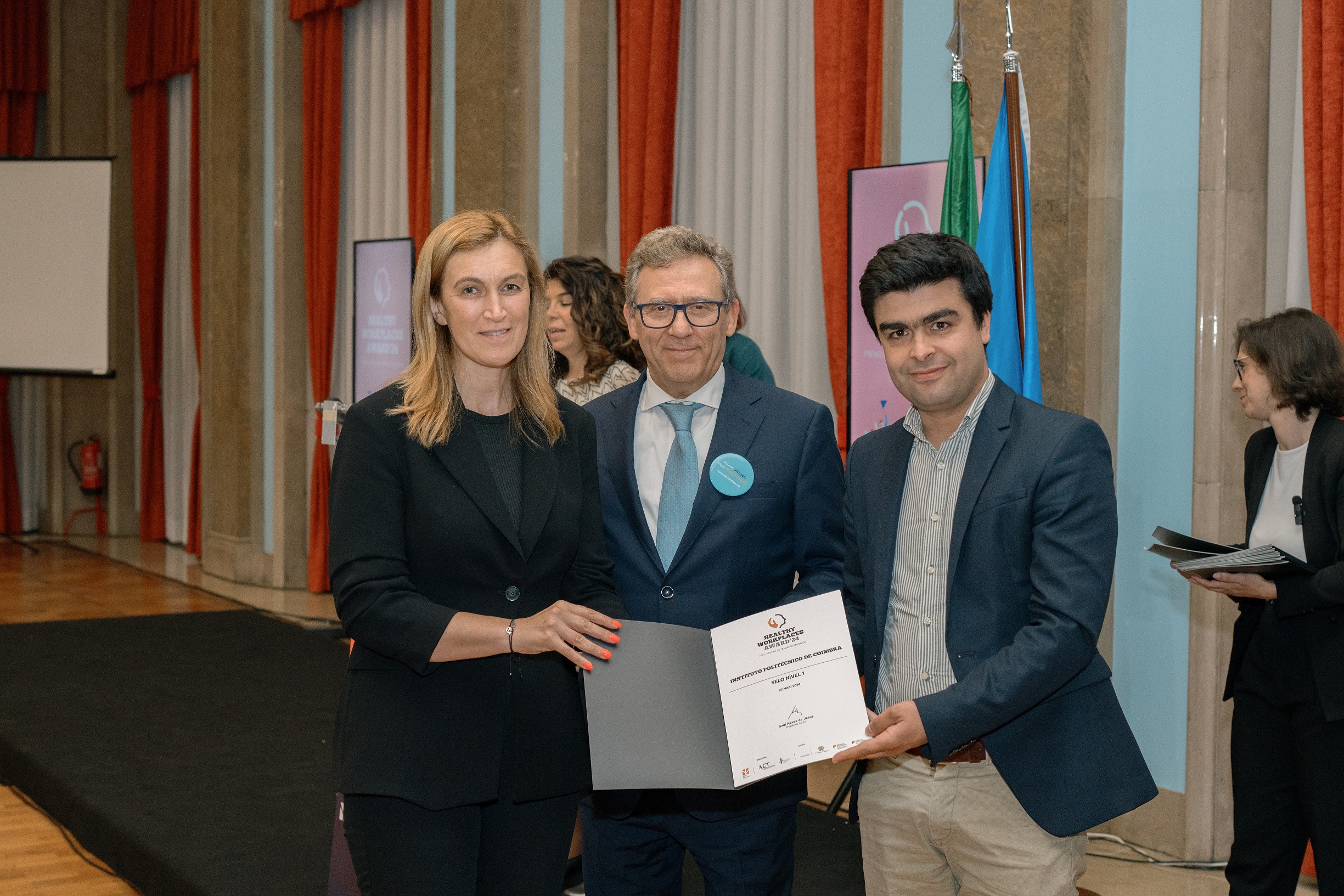
The Polytechnic University of Coimbra (PUC) was honoured for its work in the environmental field during the 1st International Eco-Campus Conference, which took place on 26 April in Lisbon, organised by the Blue Flag Association for the Environment and Education (ABAAE).
At the event, PUC received a symbolic award for its work in favour of more sustainable and environmentally friendly development, in line with the Sustainable Development Goals of the United Nations’ 2030 Agenda.
In November 2022, all six PUC schools received the EcoCampus distinction for the three-year period 2022-2025, making it the largest Eco-Polytechnic in the country.
-

PUC academic community cleans up the River Mondego
For the third year running, the Polytechnic University of Coimbra (PUC) is once again setting an example and affirming its role in protecting the environment with the initiative ‘Together let’s help clean up the banks of the River Mondego!’.
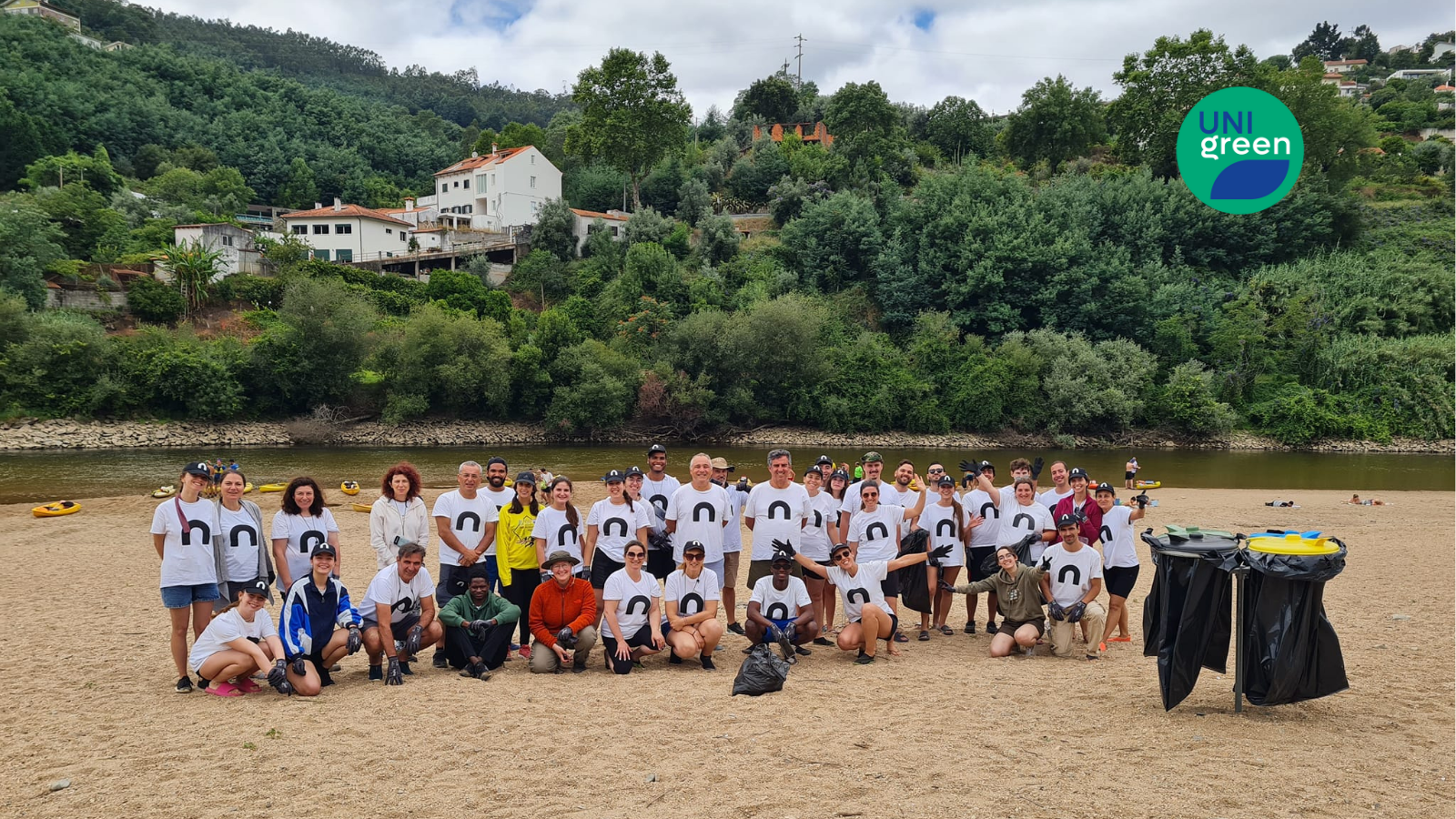
The action, aimed at the PUC’s academic community, took place last Saturday, 28 June, and involved 46 participants, combining environmental protection with sport and conviviality.
Organised by the Occupational and Environmental Health Service and the Sports Office, it included kayaking down the River Mondego and cleaning its banks, between Carvoeira, Penacova, and the River Beach of Palheiros and Zorro, Coimbra.
The aim is clear: to promote care for our natural heritage and raise awareness of the urgent need to protect the planet. ‘It’s an action with a huge sense of social responsibility, through which we aim to contribute to a cleaner river and surroundings and, at the same time, encourage active and healthy lifestyles among our students and workers,’ emphasises Ana Ferreira, PUC Vice President, responsible for the areas of occupational and environmental health and sport.
A variety of waste was collected during the activity, with a decrease on the previous year. Among glass, cans and undifferentiated waste, cigarette butts continue to stand out, reinforcing the need to raise awareness of this type of pollution.
This initiative is part of the institutional strategy to promote environmentally conscious behaviour and build a healthier future for the whole community. In addition to the environmental aspect, the action aimed to strengthen ties between students and workers, providing a moment of direct contact with nature, socialising and sharing sustainable values.
The initiative was supported by Ansell Portugal – Industrial Gloves, Sociedade Unipessoal, Lda., which, as in previous years, provided protective gloves for all the volunteers, reinforcing the collective commitment to safety and environmental preservation.
With this symbolic but impactful gesture, PUC reaffirms its mission to train more aware citizens, prepared to face the environmental challenges of the present and the future.
-
PUC combines physical activity with environmental protection
For the second year in a row, the Polytechnic University of Coimbra (PUC) promoted the action “Together we will help clean the banks of the Mondego River!”.
The activity, aimed at the entire academic community, included a kayak trip down the river with stopovers to clean the banks of the Mondego River and aimed to promote socialisation among members of the PUC’s community as well as contact with nature.
With this action, PUC seeks to reinforce its social responsibility towards the external community, making its contribution to a cleaner river and banks, while promoting the health and well-being of the academic community at the same time, through the adoption of active and healthy lifestyles, in which physical activity and sport play a fundamental role.
-
PUC Community promotes sustainable mobility and environmental protection
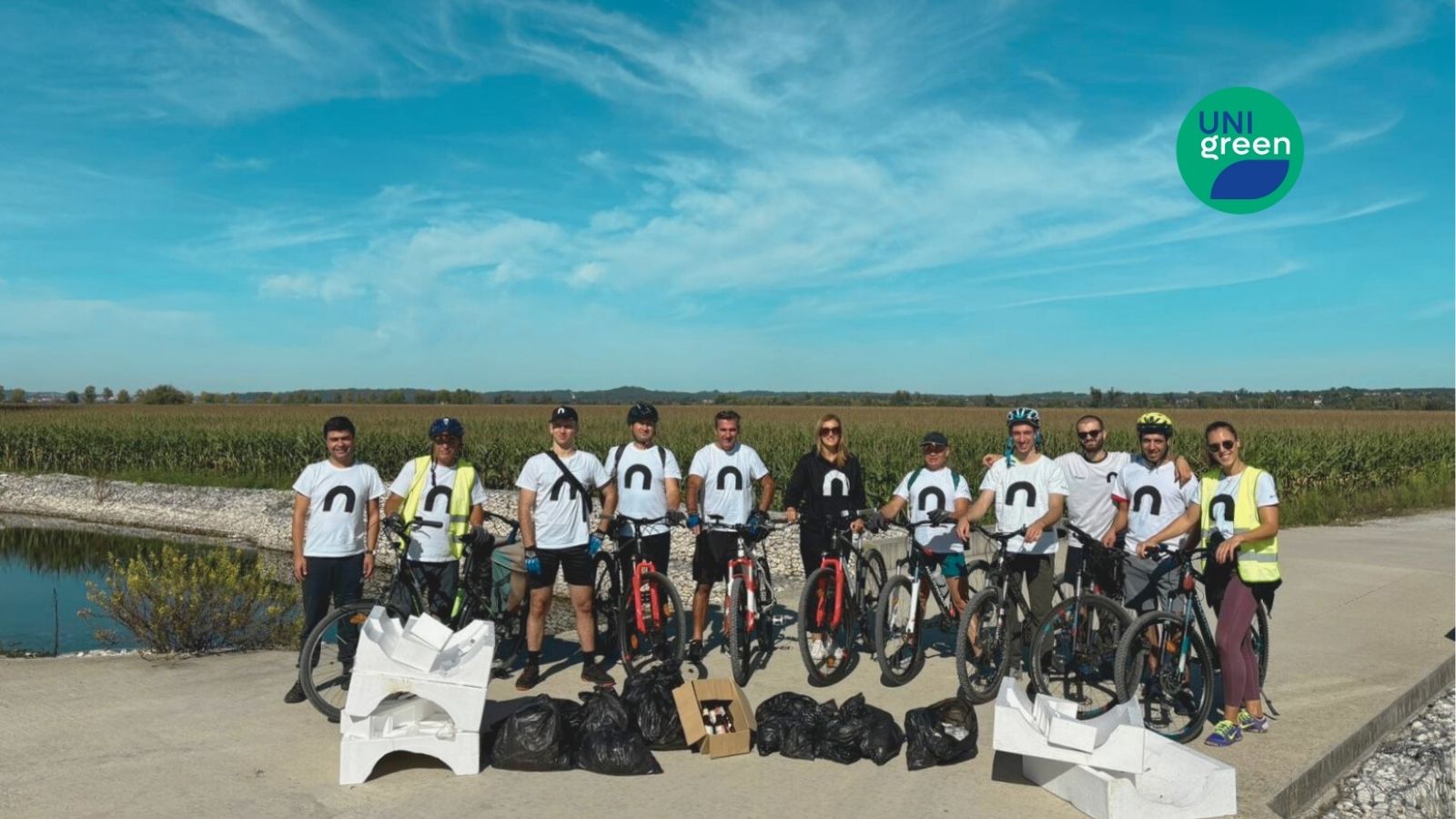
A group of members of the Polytechnic of Coimbra community – including students, teachers and non-teaching staff – carried out an environmental awareness campaign last September 28, which aimed to raise awareness of the need to take care of the environment and promote sustainable mobility. .
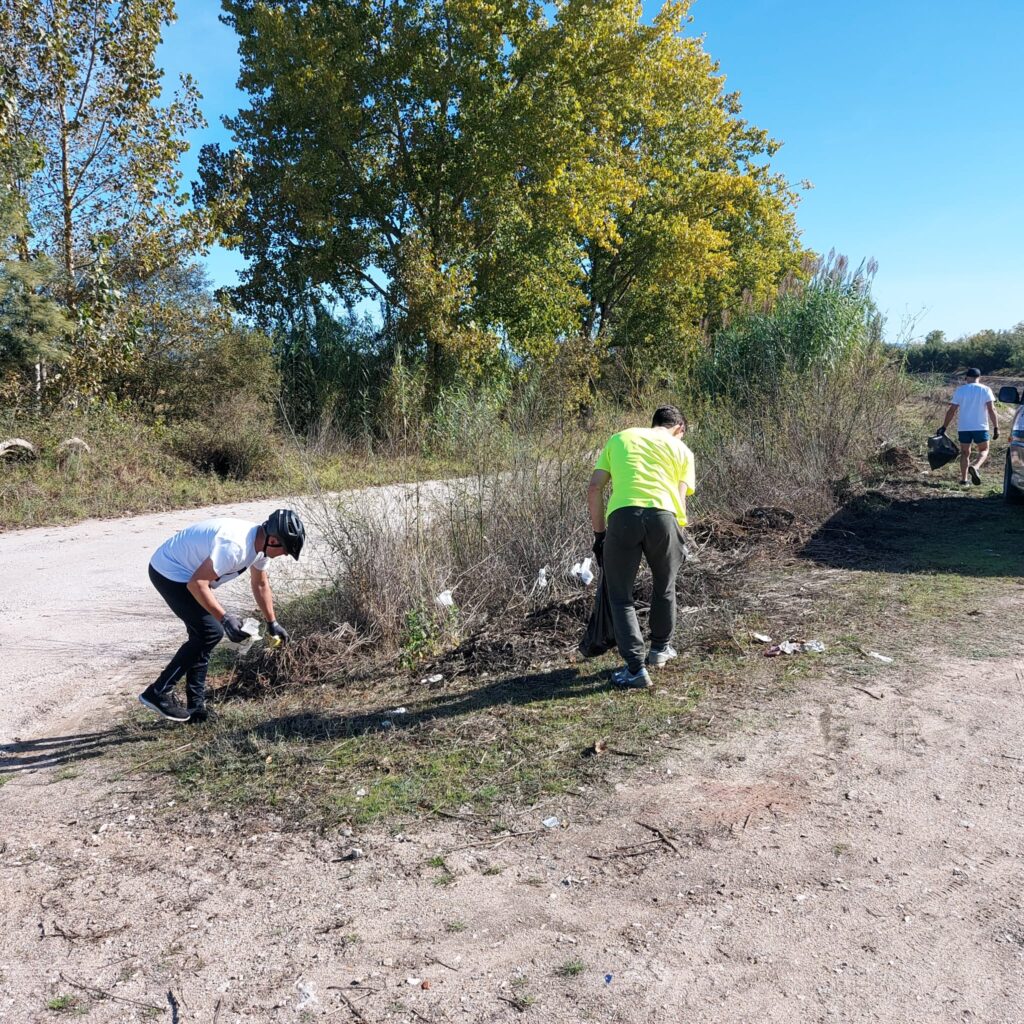
The group cycled between Coimbra and Montemor-o-Velho, through the Mondego Irrigation Fields to the municipality of Montemor-o-Velho, with strategic stops for the collection of waste that was sent to an appropriate final destination afterwards. According to the organization, around 360 liters of waste were collected, mainly plastic, cigarette ends, styrofoam, glass and other types of unsorted waste
According to Ana Ferreira, vice-president of the PUC responsible for sustainability, this activity aimed to combine sports with health and sustainability, similar to other actions that the institution has promoted in the community. For her, these themes are fundamental in building active citizenship and the PUC, as a higher education institution, assumes its responsibility by promoting initiatives that contribute to greater environmental awareness in its community, both internally and externally, encouraging a change in habits in favor of a better world.
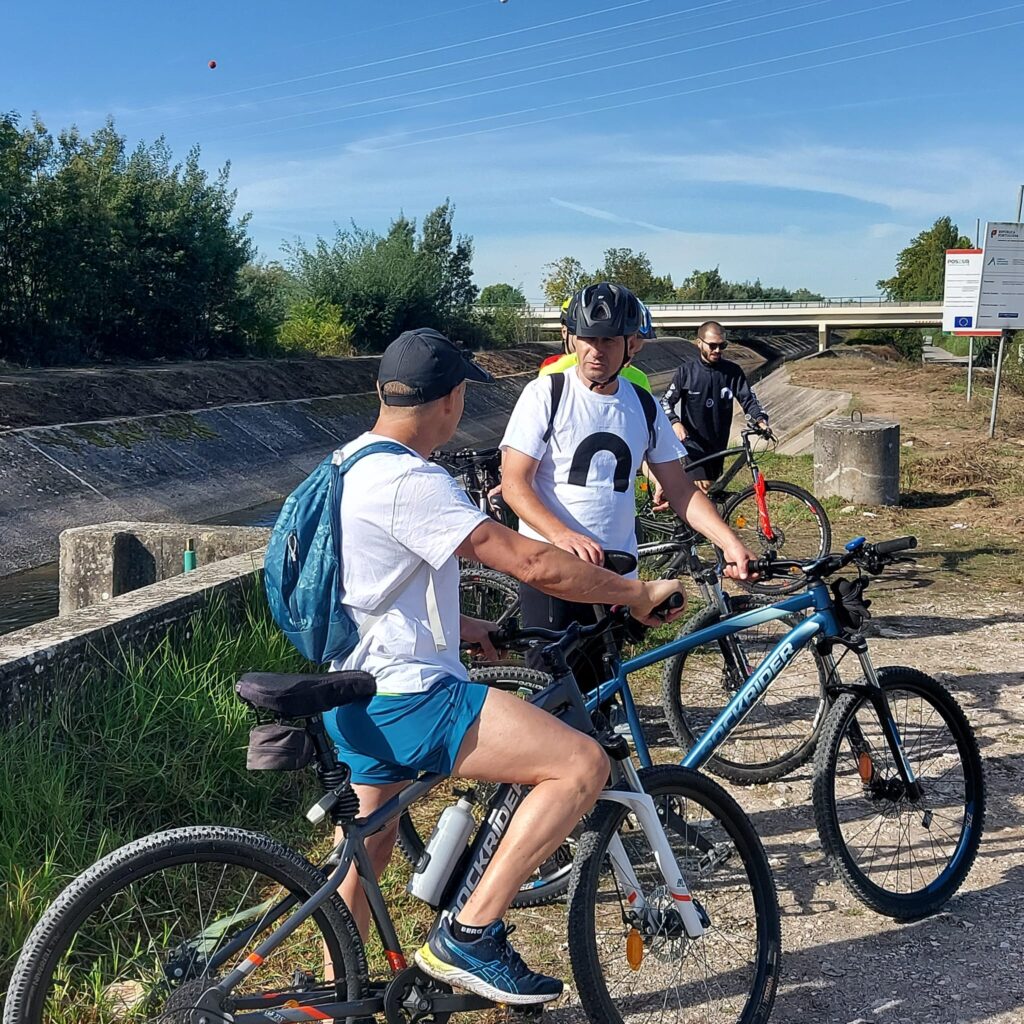
Promoted by the Occupational and Environmental Health Service and the Sports Office of the Polytechnic of Coimbra, the Eco Pedalada took place as part of the celebration of the European Mobility Week (September 16 and 22) and the European Car-Free Day (September 22), and was also part of the #EUbeachcleanup initiative, promoted by the European Commission and the Oceano Azul Foundation, which aims to commemorate the International Coastal Clean-Up Day (celebrated on September 20) through joint actions aimed at preserving watercourses and coastal areas, promoting a positive effect on the health of ecosystems. The action also had the support of Ansell Portugal, which provided protective gloves for waste collection, and the City Council of Montemor-o-Velho, which provided a guided tour of the Montemor-o-Velho Castle at the end of the route, where participants had the opportunity to learn more about the history of the monument and the town.
-
PUC hosts conference on greener higher education
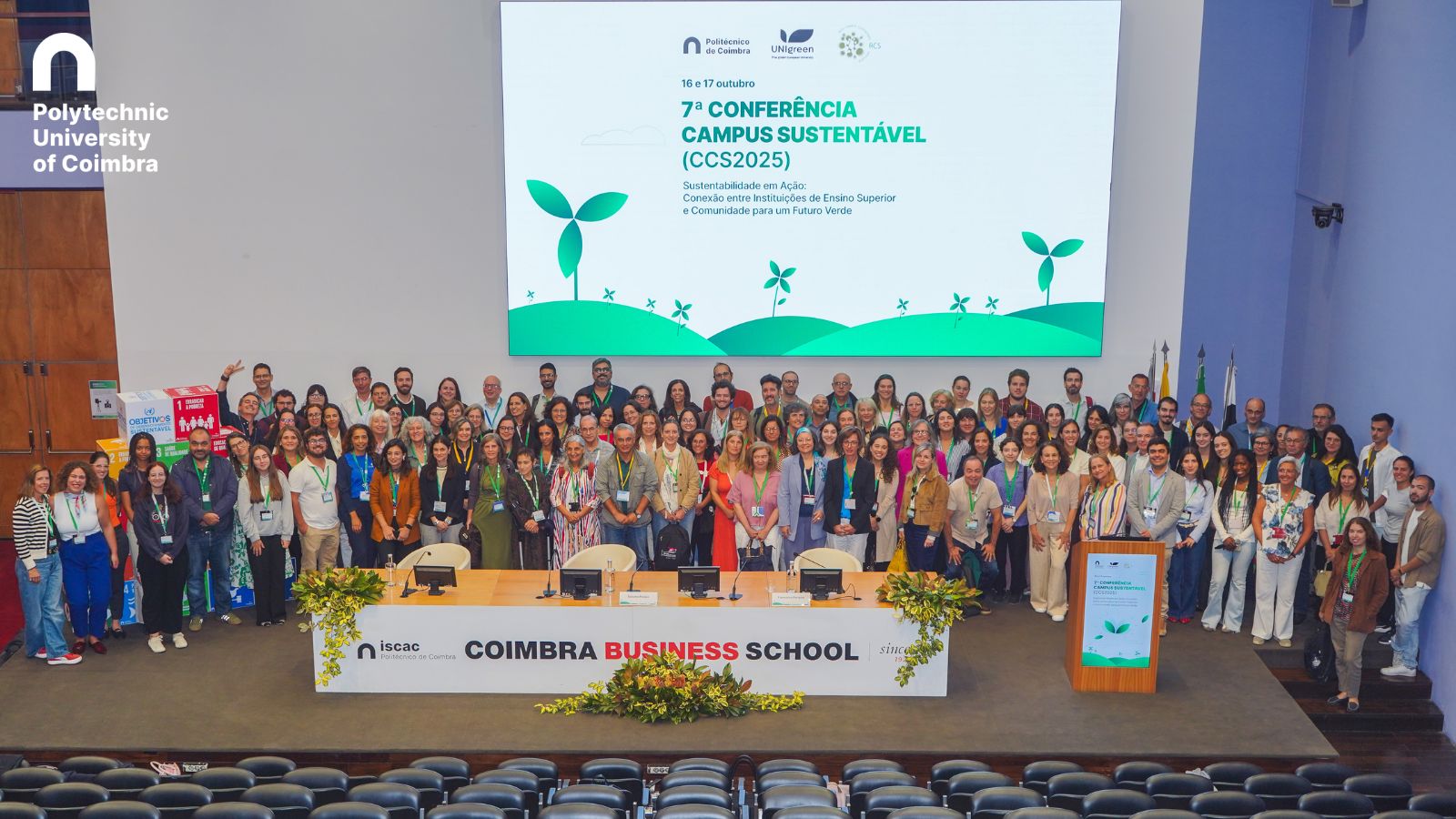
Around 175 participants from Higher Education Institutions (HEIs) across the country attended the 7th Sustainable Campus Conference (CCS 2025), co-organised by the Sustainable Campus Network and the Polytechnic University of Coimbra, held on 16 and 17 October at PUC’s Higher Institute of Accounting and Administration of Coimbra (ISCAC). Under the theme ‘Sustainability in Action: Connecting Higher Education Institutions and the Community for a Green Future,’ this conference aimed to highlight the transformative role of HEIs in training citizens and leaders committed to a more sustainable future.
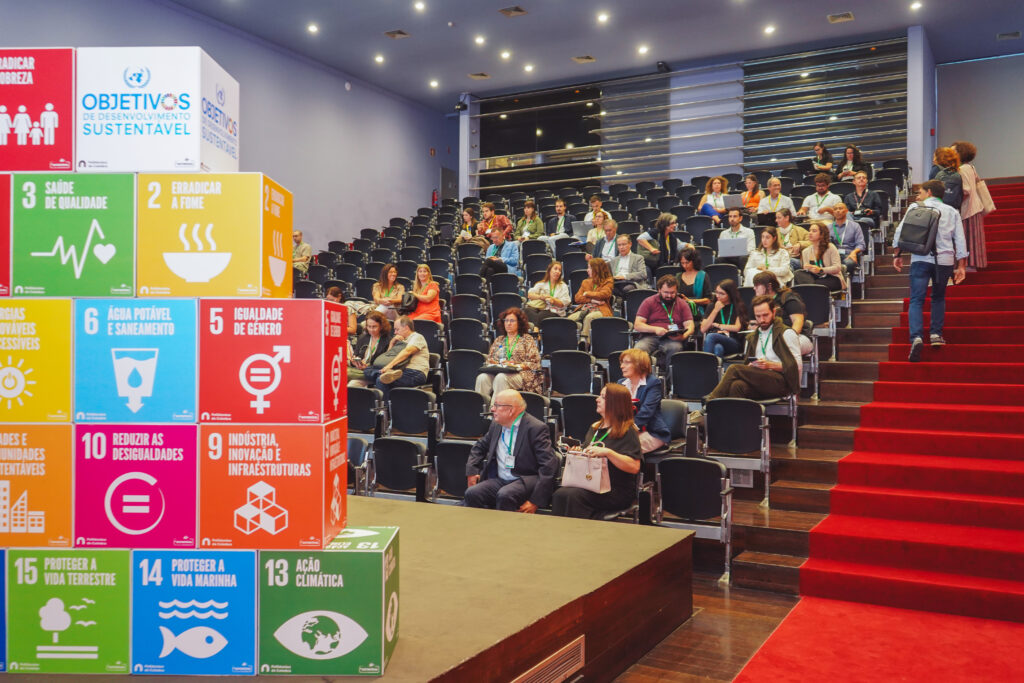
The event aimed to foster the co-creation of solutions, the sharing of knowledge and the exchange of good practices in HEIs that contribute to the implementation of measures in favour of sustainable development, amplifying the impact of HEIs as catalysts for change. Students, teachers, and researchers gave around 80 oral presentations and 35 e-posters on topics such as the circular economy, sustainable food production, waste management, energy efficiency and rational water use, gender equality, noise, health and well-being, among others.
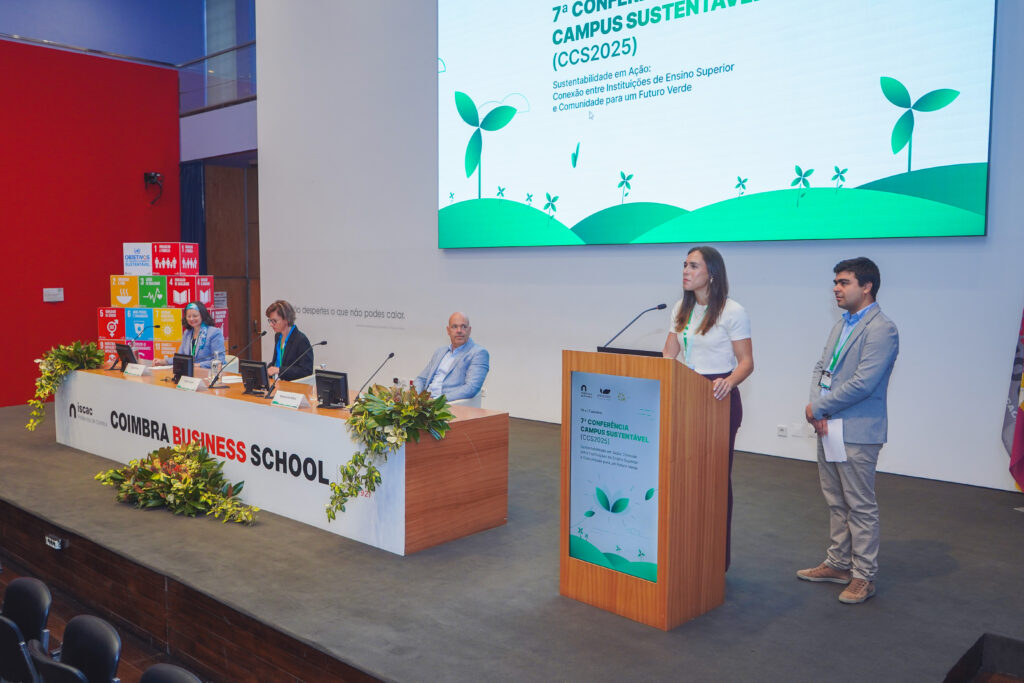
During the event, the annual meeting of RCS members was also held, where the main challenges for the future of the network were discussed, namely the possible greater formalisation of the role of HEIs in this movement. The Sustainable Campus Network – Portugal aims to promote cooperation between people from national HEIs in order to implement principles and promote sustainable development. Its main objectives are to share knowledge, initiatives and success stories, promote joint actions within the Sustainable Campus theme and work on sustainability issues in Portuguese higher education institutions, thereby contributing to a more sustainable society.
-
PUC leads the ECOLUTION Project
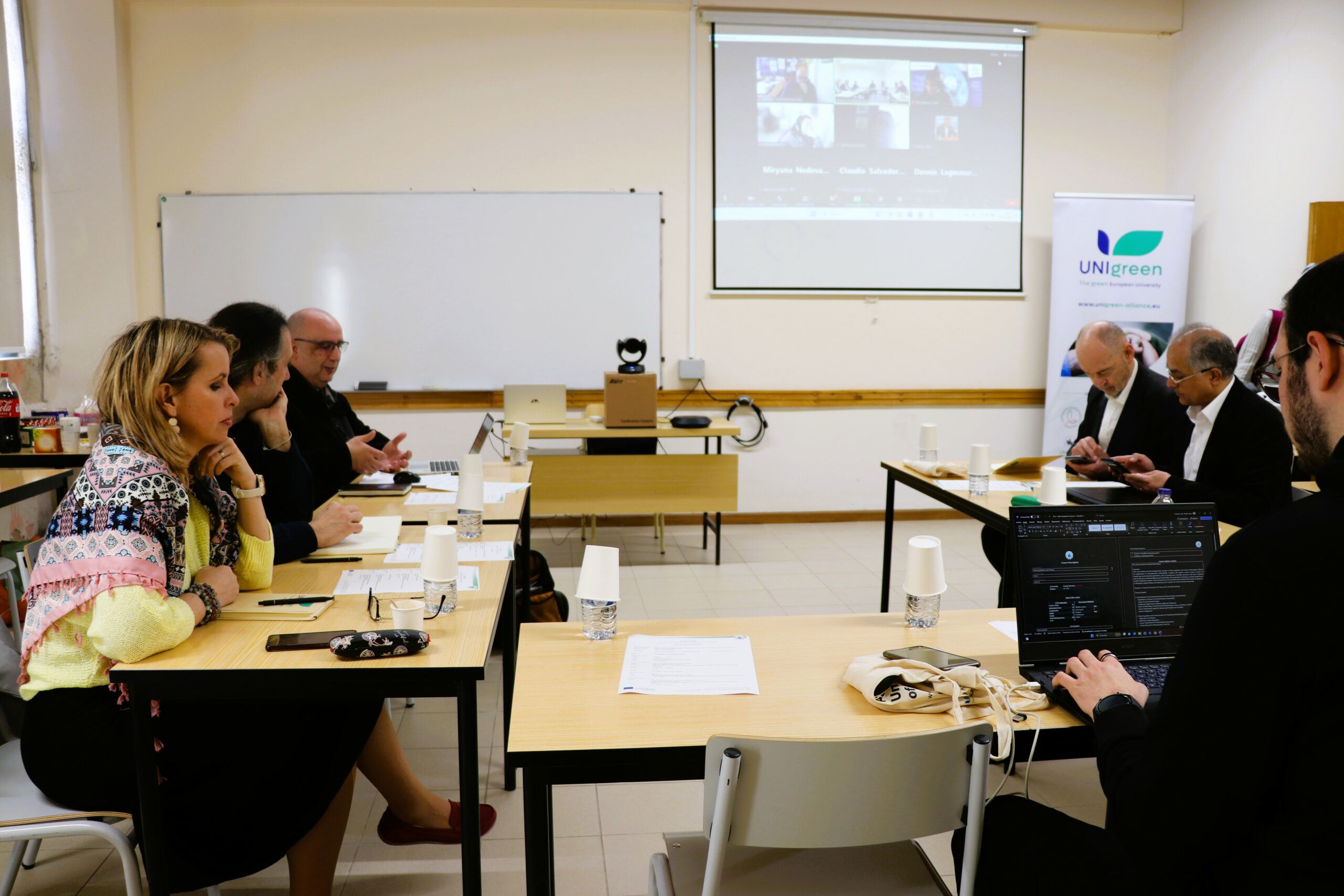
The Polytechnic University of Coimbra is leading the ECOLUTION (mastErs COurse on smart sustainability soLUTIONs) project, which began in February and is coordinated by António Dinis Ferreira, professor at PUC’s School of Agriculture (ESAC), and also involves researchers from PUC’s Institute of Engineering (ISEC).
The project aims to develop an advanced and certified interactive master’s degree course that will train individuals with the skills and knowledge needed to work in a booming sector: “Intelligent Environmental Sustainability”.
The idea is to train technically competent staff in the development of advanced technologies with applications in the environmental field. During the master’s programme, students will work on designing prototype monitoring systems, such as IoT (Internet of Things) sensors and drones.
The proposal for this project was submitted in May 2023 to the Erasmus+ Key Action 2 (Alliances for Innovation) measure by a consortium made up of four higher education institutions, five companies, three associations and an equal number of research centres from across Europe (Austria, Bulgaria, Czech Republic, Denmark, Greece, the Netherlands, Portugal and Spain). The project, which is expected to last three years, has been selected for funding.
-
PUC measures carbon footprint produced by Global Week 2024
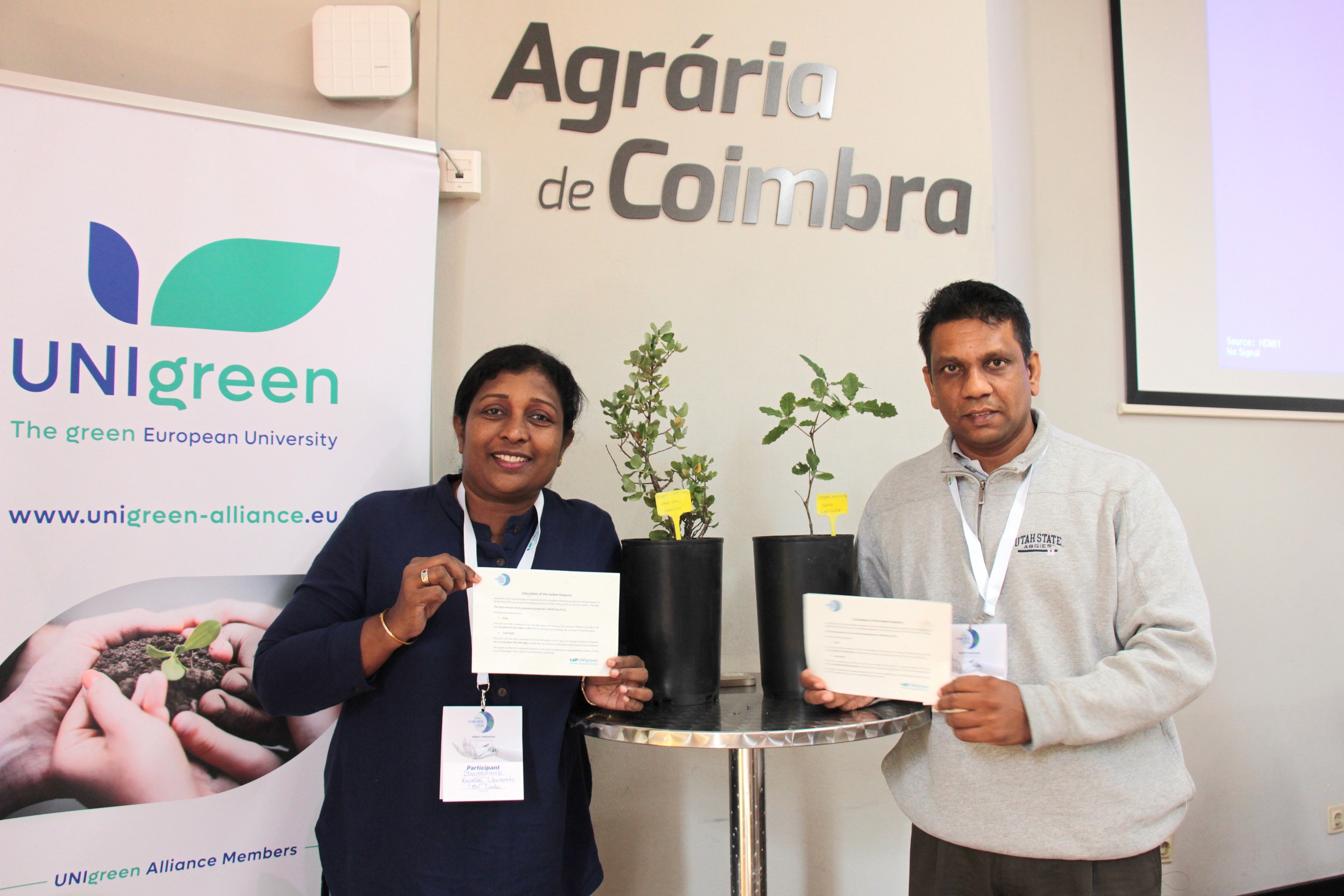
During Global Week 2024, one of the highlighted activities was the green initiative focused on calculating the carbon footprint. This involved measuring the CO2 equivalent emissions produced by all participants due to their air travel from their home countries to the host country, Portugal. The total amount of CO2 emissions calculated was 49,034 kg.
To offset these emissions, the initiative considered the planting of trees:
- Oaks: One oak tree, with a diameter of 3.5 cm, can capture 815.41 kg of CO2 over its 20-year lifespan. To offset the CO2 emissions from the air travel, 61 oak trees need to be planted.
- Cork Oaks: One cork oak tree, with a diameter of 3.5 cm, can capture 475.31 kg of CO2 over its 20-year lifespan. To offset the CO2 emissions from the air travel, 104 cork oaks need to be planted.
To mitigate the ecological impact of the event, the corresponding number of trees will be planted on 23 November 2024, in observance of Autochthonous Forest Day.
-
PUC promotes ‘Job Summit IPC & Science2Business’
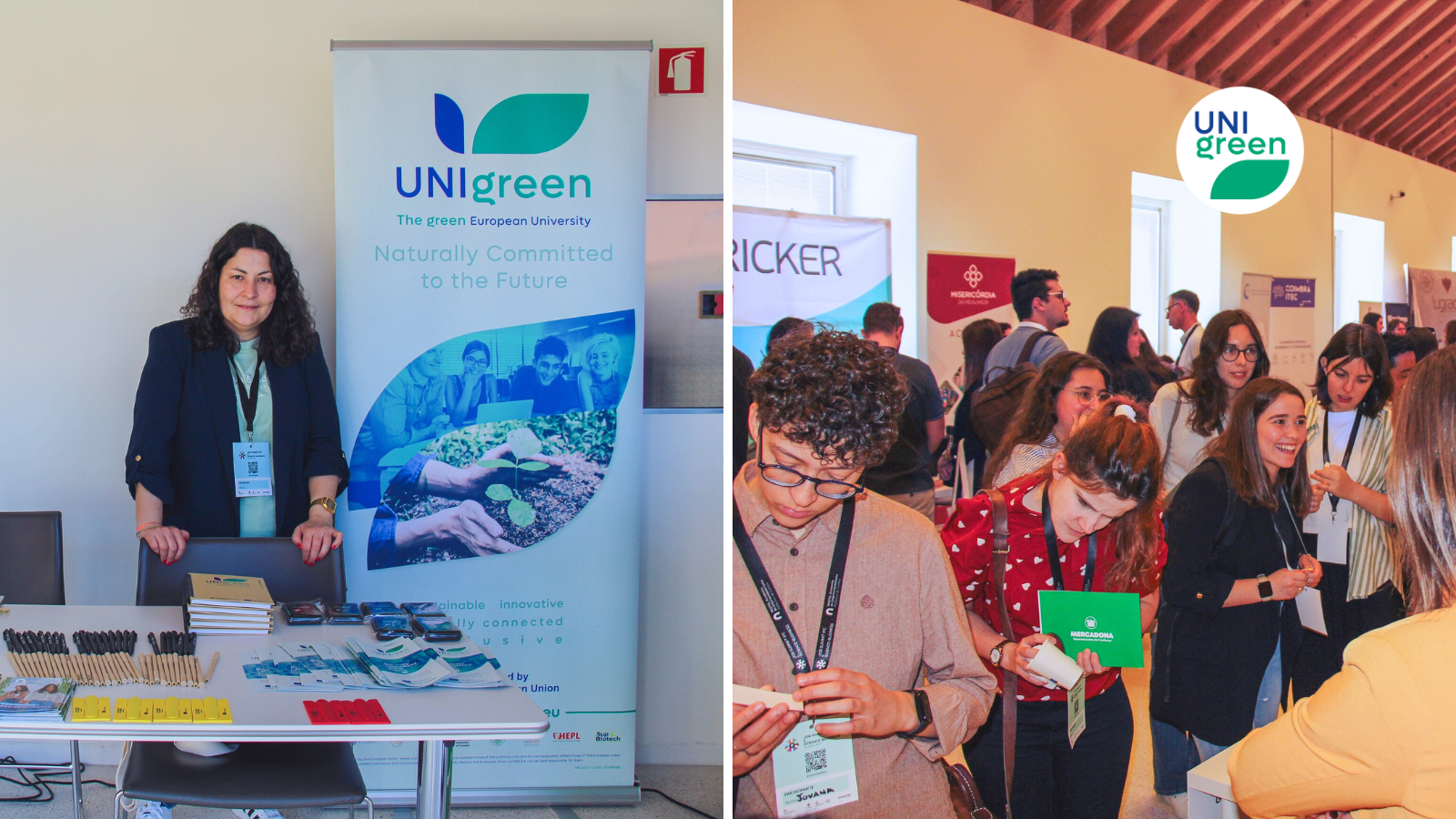
The Polytechnic University of Coimbra (PUC), through the INOPOL Entrepreneurship Academy, held the second edition of the ‘Job Summit IPC & Science2Business’ on 23 April at Saint Francis Convent in Coimbra.
The event was attended by more than 700 people, mostly students from PUC’s various schools who sought closer contact with companies and the labour market. PUC took the opportunity to publicise UNIgreen to all interested participants.
With the theme ‘Expanding Horizons’, the initiative aimed to explore the diversity of career opportunities and foster dialogue between academia and the business ecosystem, promoting an environment of interaction between all participants.
-
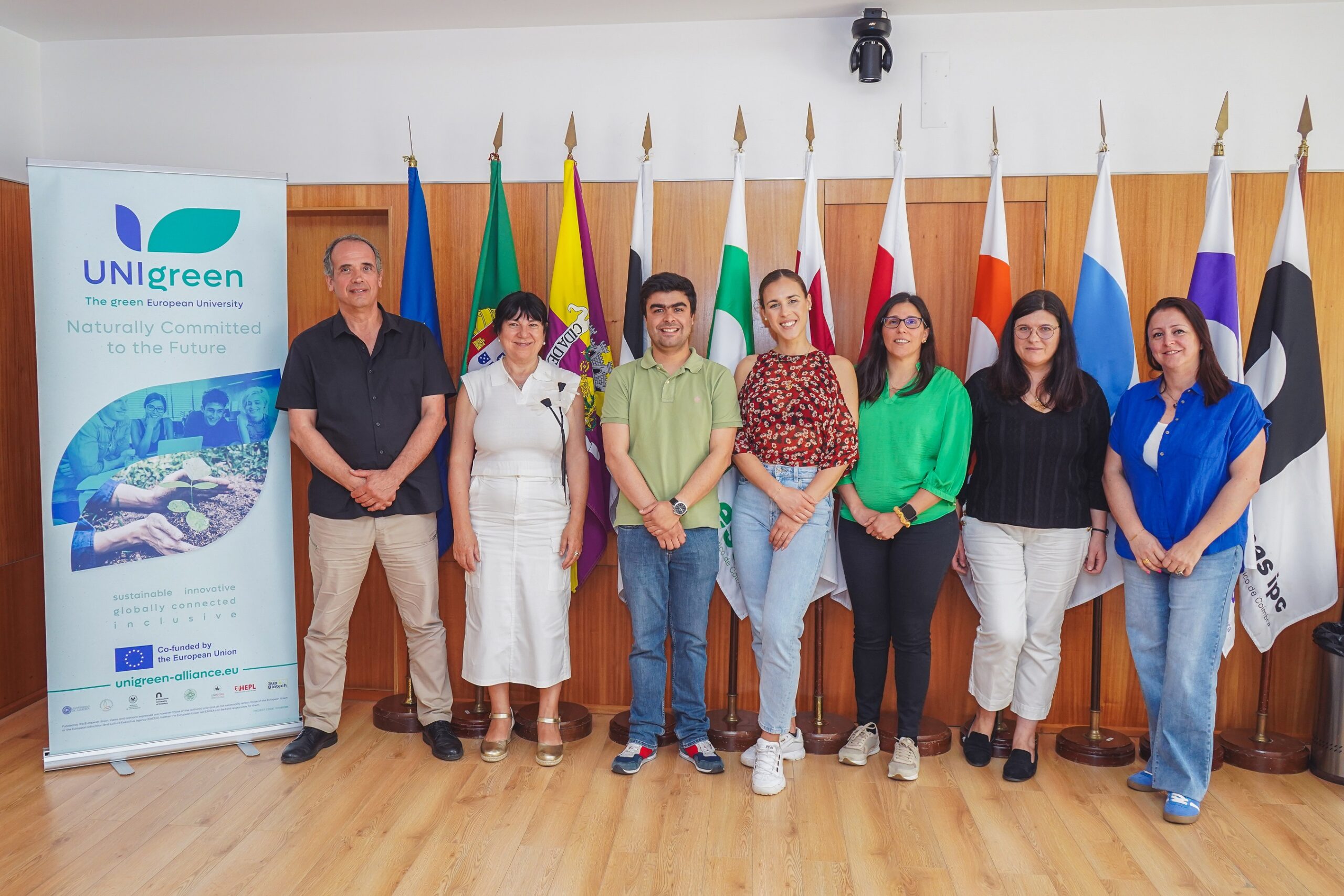
PUC provides training for U-GREEN Experts
As part of Outcome 3 of the U-GREEN project, the Polytechnic University of Coimbra provided training for 6 U-GREEN experts on 28 May 2024.
The U-GREEN Training Programme aims to develop the capacities of Education and Training professionals to master the green transition and implement new (green and sustainable) practices and methodologies in line with the U-GREEN approach (based on outcomes 1 and 2 of the project).
The U-GREEN Experts are fundamental to the implementation of the U-GREEN Label, in the sense that they will be qualified to carry out self-assessments (process for the first and second levels of the label) and peer audits (for the third level) and, as such, will assess compliance with the criteria, formulate recommendations and award the label, both internally, at Consortium level, and among external stakeholders.