Lecturer and Researcher
How did you get to where you are today?
My interest in rural economies began during my studies in Agricultural Economics at the Agricultural University of Plovdiv, where I later completed master’s degrees in agribusiness management and accounting and control. My first professional experience was in agricultural statistics, initially at regional level and then coordinating the Farm Accountancy Data Network nationally. This work helped me understand the challenges faced by farmers beyond the classroom. In 2008, I became involved in supporting small businesses and marginalised communities through the Land Source of Income Foundation. Since 2010, I have combined this practical experience with teaching and research at the Agricultural University. My doctoral research focused on opportunities for family farm development. Currently I am Associated Professor in the Department of Economics.
What do you actually do?
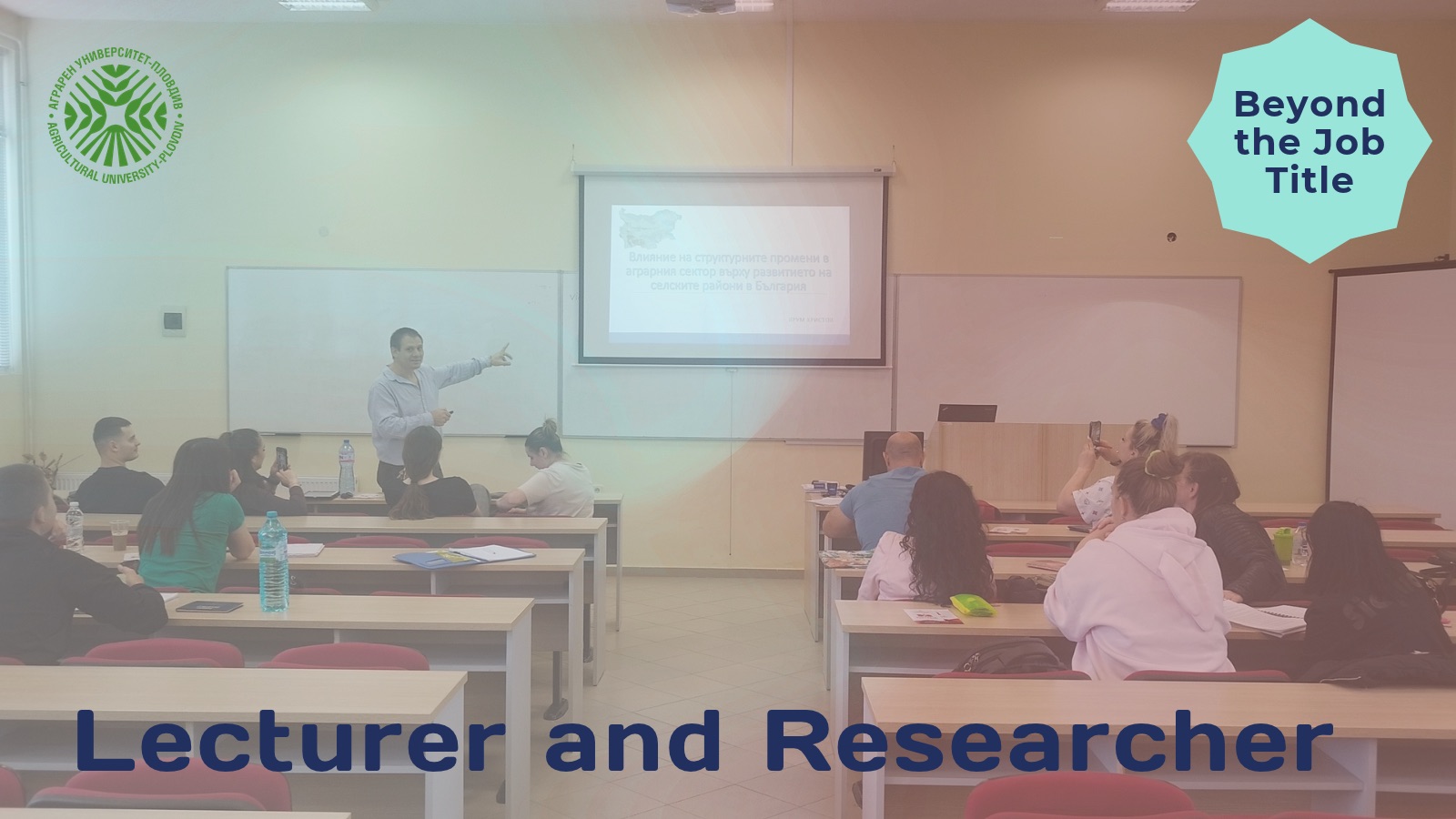
I teach students how rural economies, agricultural businesses and development projects work in practice. My courses cover subjects such as agricultural economics, rural development, project development, regional economics and economic modelling. I also participate in research projects exploring the challenges and opportunities facing farms and rural regions. Alongside my university work, I manage an integrated support model for small businesses in the Plovdiv region. That involves helping people develop business plans, understand financing opportunities and build viable livelihoods, including members of marginalised rural communities. Across these roles, my goal is to turn economic knowledge into tools that people can actually use.
What are you passionate about?
What motivates me most is the connection between economic research and real changes in people’s lives. I particularly value work that helps small farmers, family businesses and people from marginalised communities access opportunities. Teaching is equally rewarding because it allows me to share practical experience with students and encourage them to approach rural development problems with curiosity, evidence and empathy.
What would you like to change?
I would like to see stronger links between academic knowledge and accessible support for small businesses and family farms. Building on my experience with applied research and community-based initiatives, a meaningful next step would be to develop more collaborative projects that combine innovation, practical training and social inclusion. I am particularly interested in approaches that make sustainable rural development opportunities available to people who are too often overlooked.
What does UNIgreen mean to you?
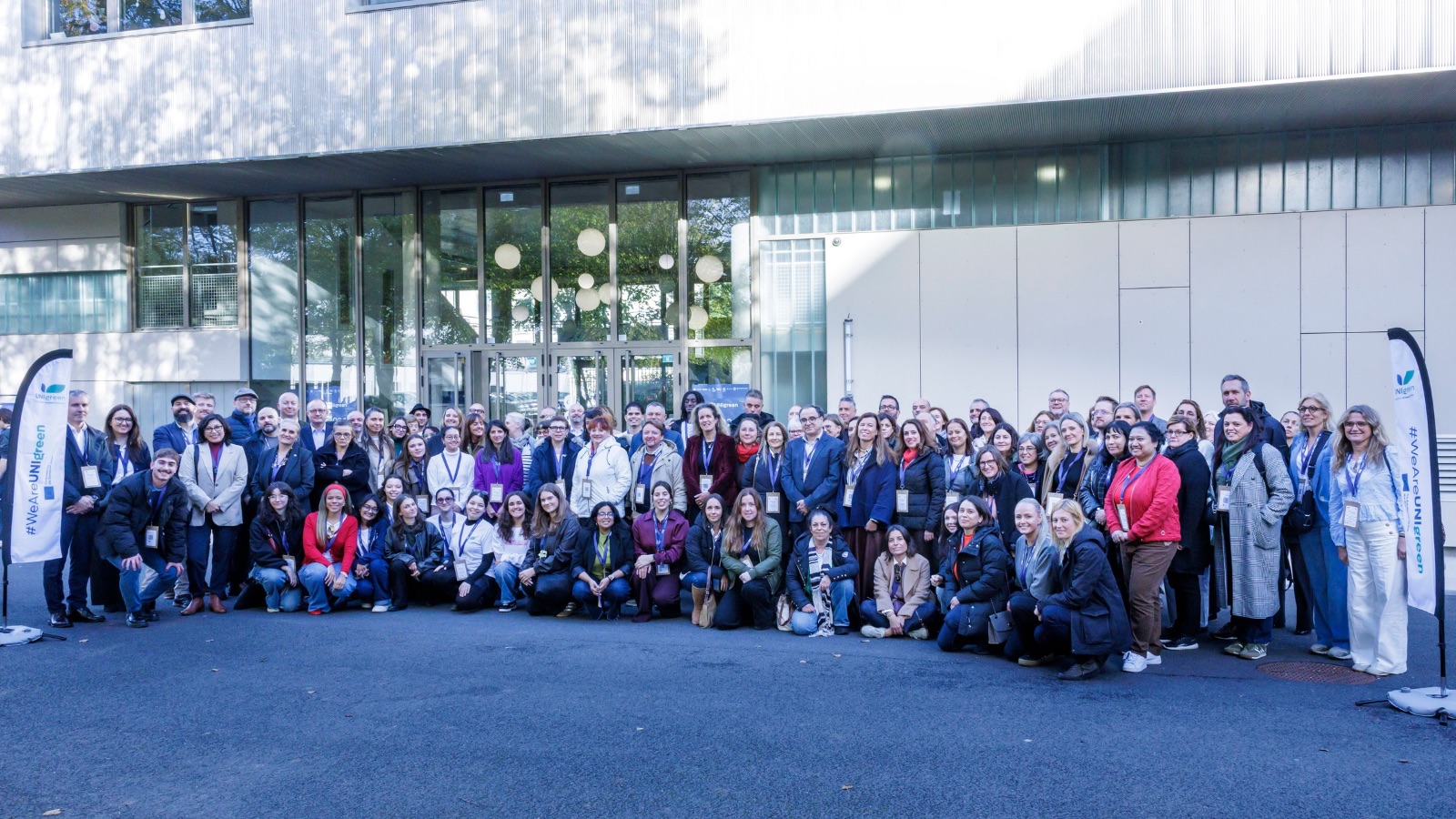
To me, UNIgreen represents an opportunity to connect people working on sustainability and rural development across Europe. I value the possibility of exchanging research insights and practical experience, learning from different communities and creating joint initiatives. Its interdisciplinary perspective aligns closely with my interests in inclusive regional development and sustainable agriculture.
What are you like when you’re not working?
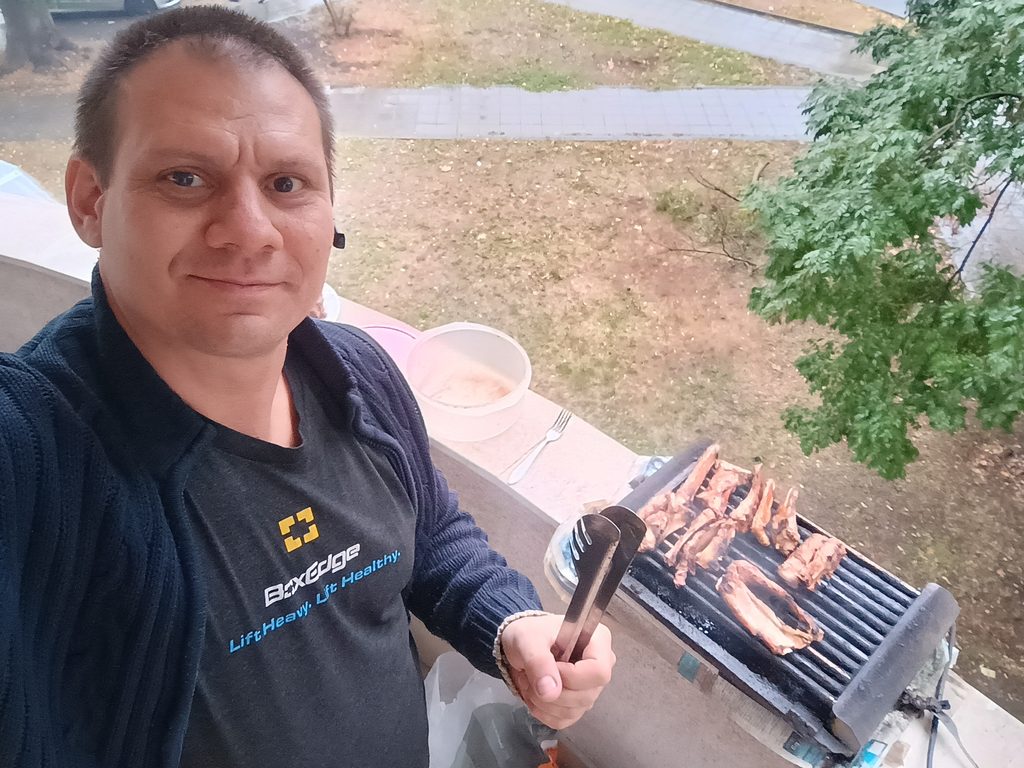
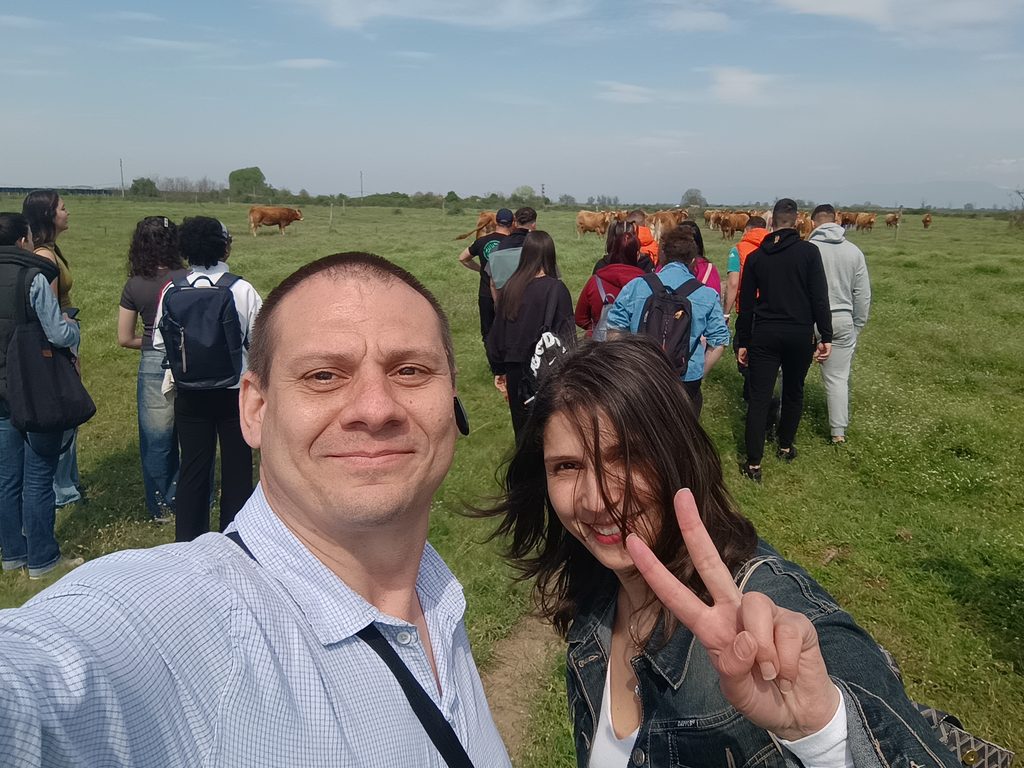
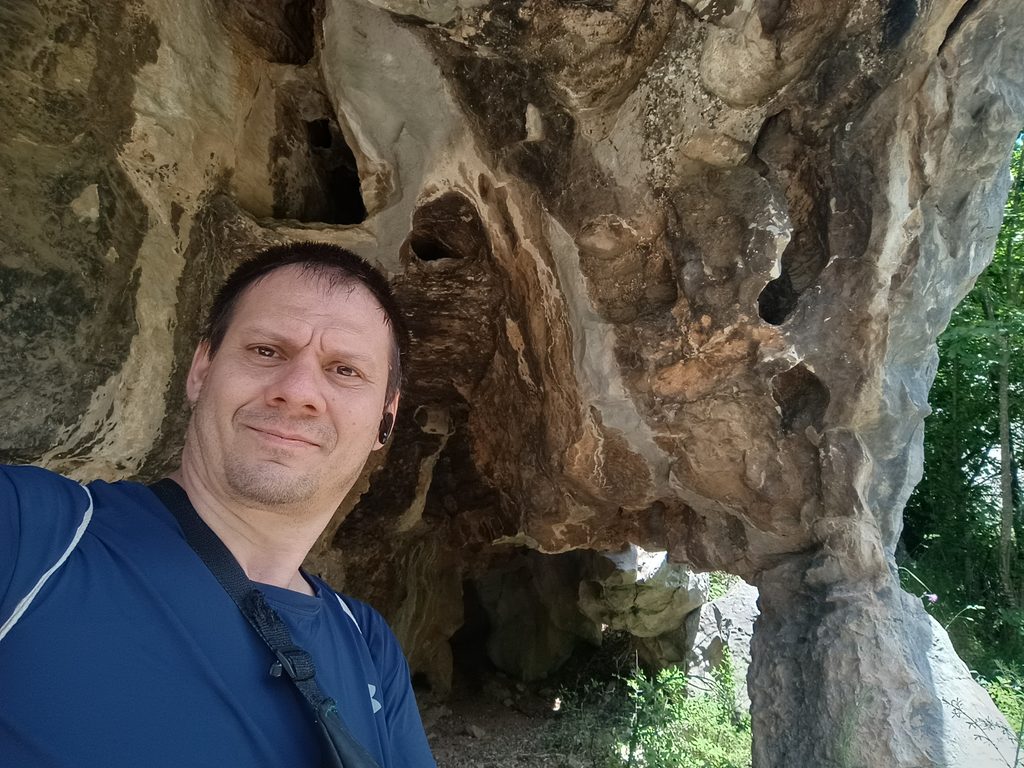
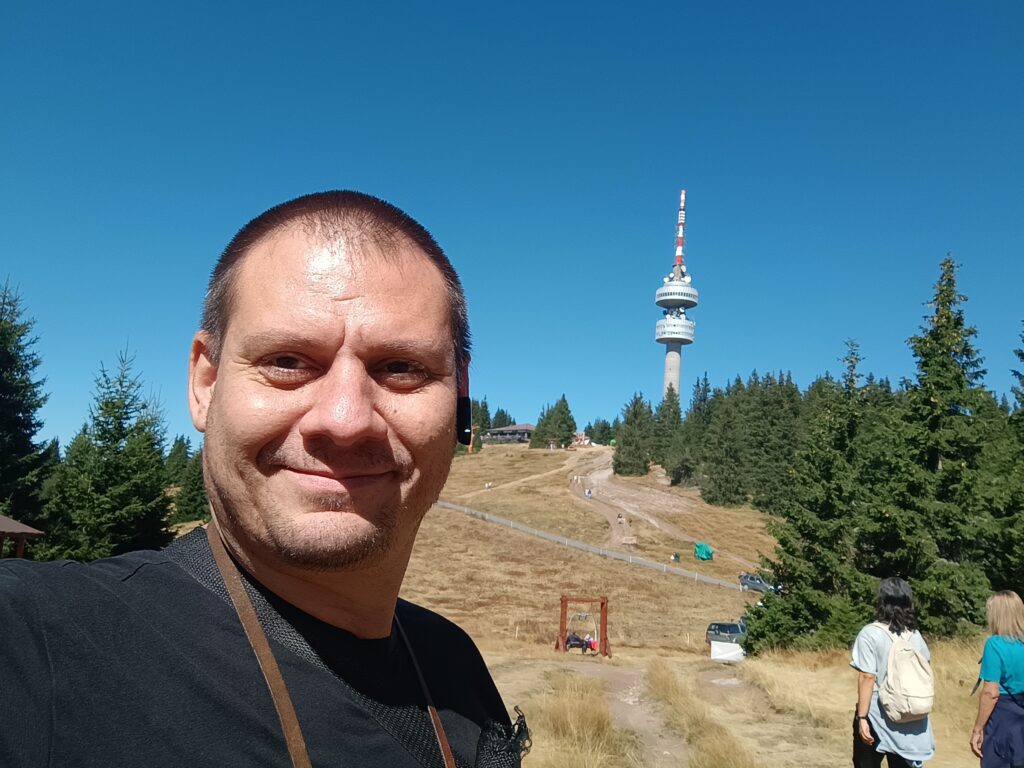
Outside my university teaching and research, I enjoy spending time in nature, especially taking walks and exploring lesser-known places away from popular tourist destinations. I find that discovering hidden natural landscapes helps me relax, recharge, and gain fresh perspectives. Community engagement is also important to me, as I enjoy staying connected with people and contributing to meaningful causes.