From 11 to 15 May 2026, UNIMORE hosted the UNIgreen JRC7 Scientific Mission – Plant Breeding, entitled “Plant Breeding for the Robustness of Agricultural Systems: Strategies and Methodologies for Multi-Stress Adaptation”, at the Tecnopolo of Reggio Emilia. The initiative brought together researchers and PhD students from the institutions of the UNIgreen Alliance to exchange knowledge, strengthen scientific cooperation, and explore innovative approaches to plant breeding for resilient agricultural systems.
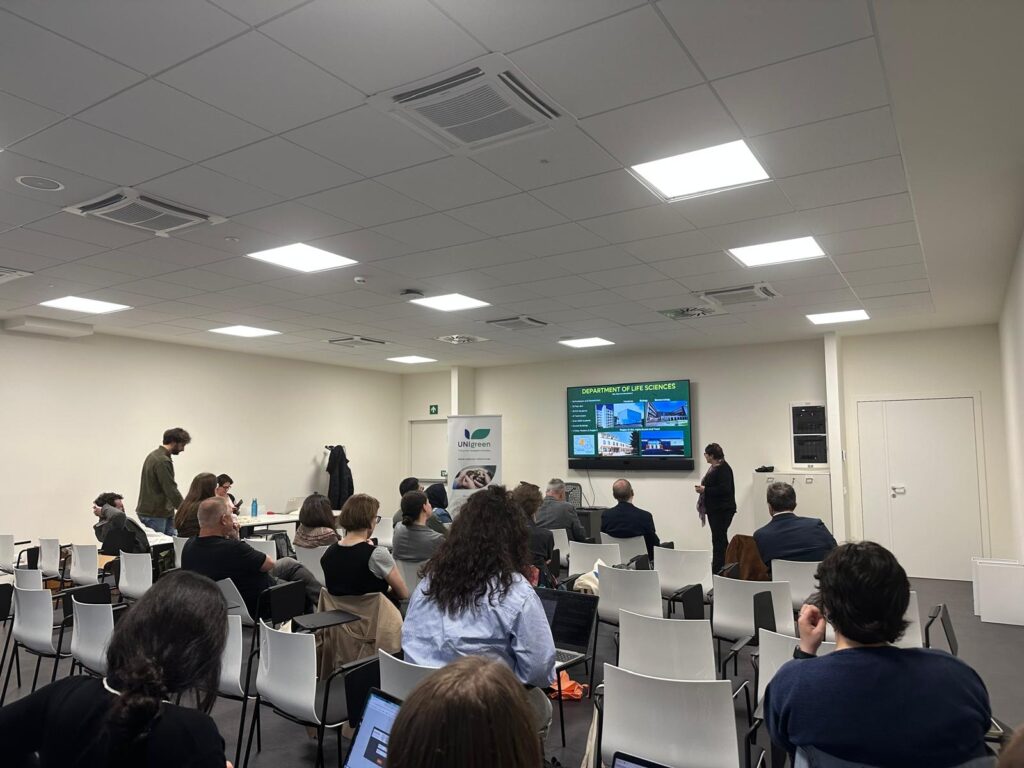
Coordinated by Professor Enrico Francia (UNIMORE), the five-day scientific mission offered an intensive 30-hour face-to-face programme focused on the challenges that climate change and environmental stresses pose to agricultural production. Participants examined advanced strategies to improve crop resilience and adaptation, with particular attention to multi-stress conditions affecting agricultural systems worldwide.
The programme opened with a session dedicated to pre-breeding and breeding for resilience and environmental adaptation, introducing key concepts, methodologies, and current research developments in the field. Participants also had the opportunity to visit the Reggio Emilia Tecnopolo, one of the region’s leading innovation hubs.
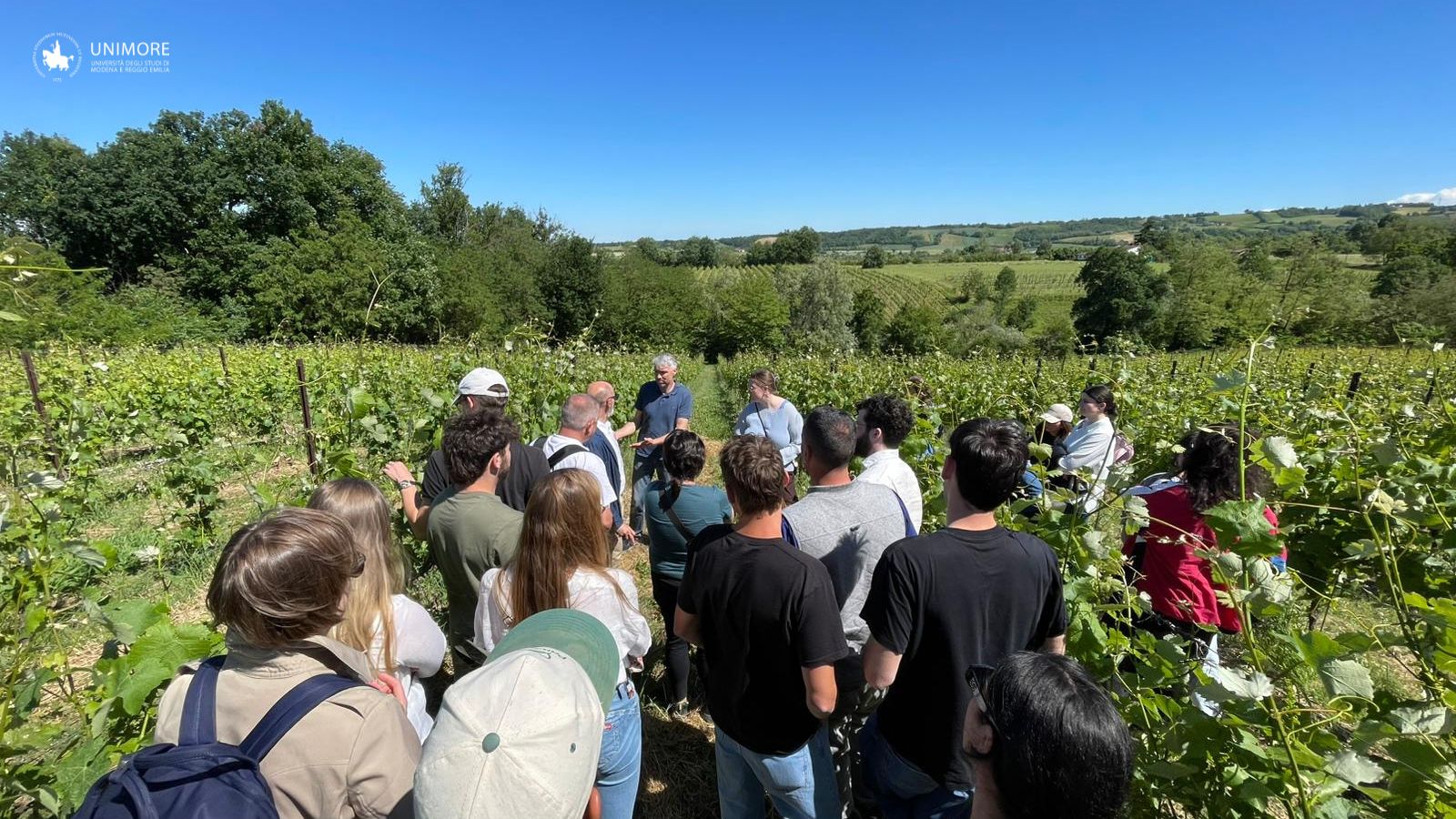
A central component of the mission was the series of study visits designed to connect theoretical knowledge with cutting-edge research infrastructures. On the second day, participants visited the CREA Genomics and Bioinformatics Research Centre in Fiorenzuola, where they explored state-of-the-art facilities and research activities related to genomics, bioinformatics, and modern breeding approaches.
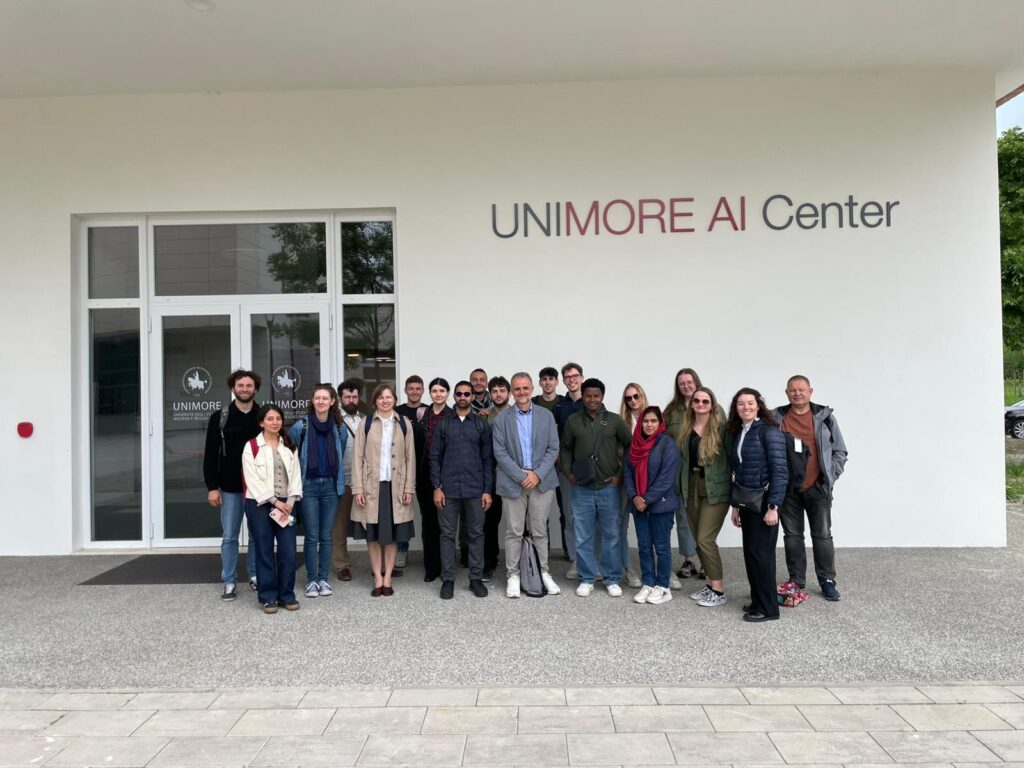
The programme continued with a visit to UNIMORE’s facilities in Modena, including the AI Centre and Human Technopole, highlighting the growing role of digital technologies, artificial intelligence, and data-driven approaches in agricultural and life sciences research.
A key highlight of the Scientific Mission was an Early Career Researchers Workshop entitled “Sharing Ongoing Research on Multi-Stress Adaptation.” These sessions created a valuable platform for scientific exchange, discussion of ongoing projects, and the development of new research collaborations among early-career scientists and experienced researchers.
The final day focused on project design and cooperation, offering participants insights into European funding opportunities and future collaborative initiatives. The programme concluded with a competence verification activity, final assessments, and a closing session dedicated to future research perspectives and networking opportunities within UNIgreen.
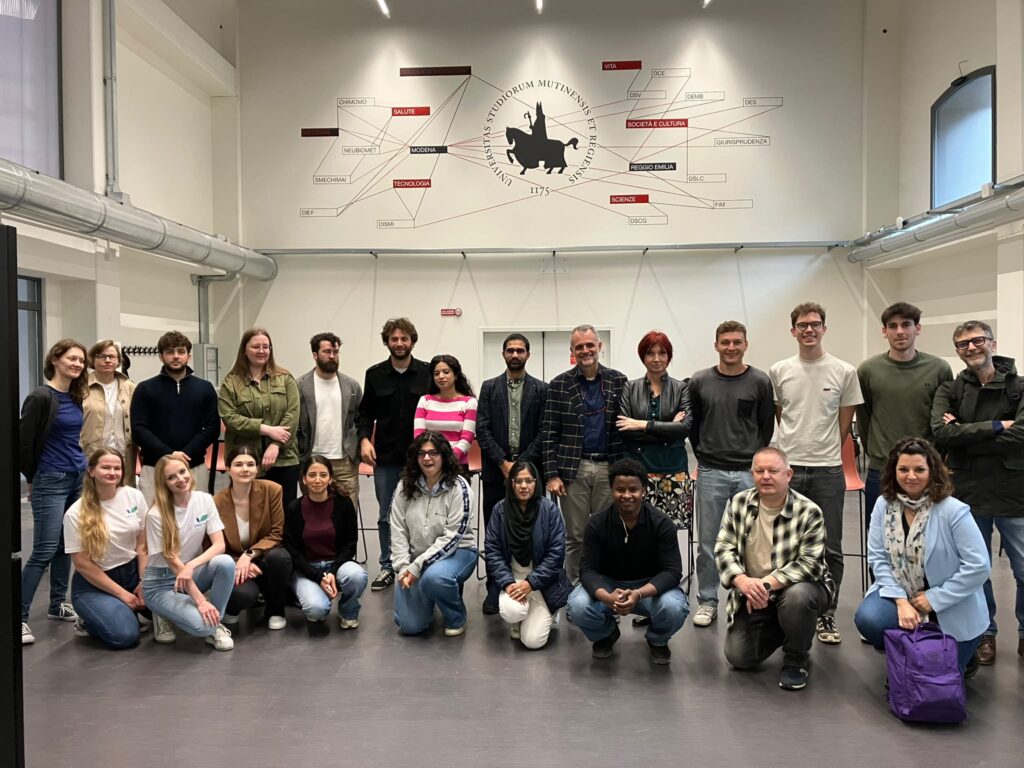
Through a combination of scientific lectures, research presentations, site visits, and collaborative workshops, the JRC7 Scientific Mission strengthened the UNIgreen Alliance’s commitment to fostering excellence in agricultural research and innovation. By promoting knowledge exchange and interdisciplinary cooperation, the initiative contributed to the development of sustainable solutions capable of enhancing the robustness of agricultural systems in the face of increasing environmental challenges.
The Scientific Mission represents another important step in UNIgreen’s ongoing efforts to connect researchers, share expertise, and support the next generation of scientists working towards a more sustainable and resilient future for agriculture.