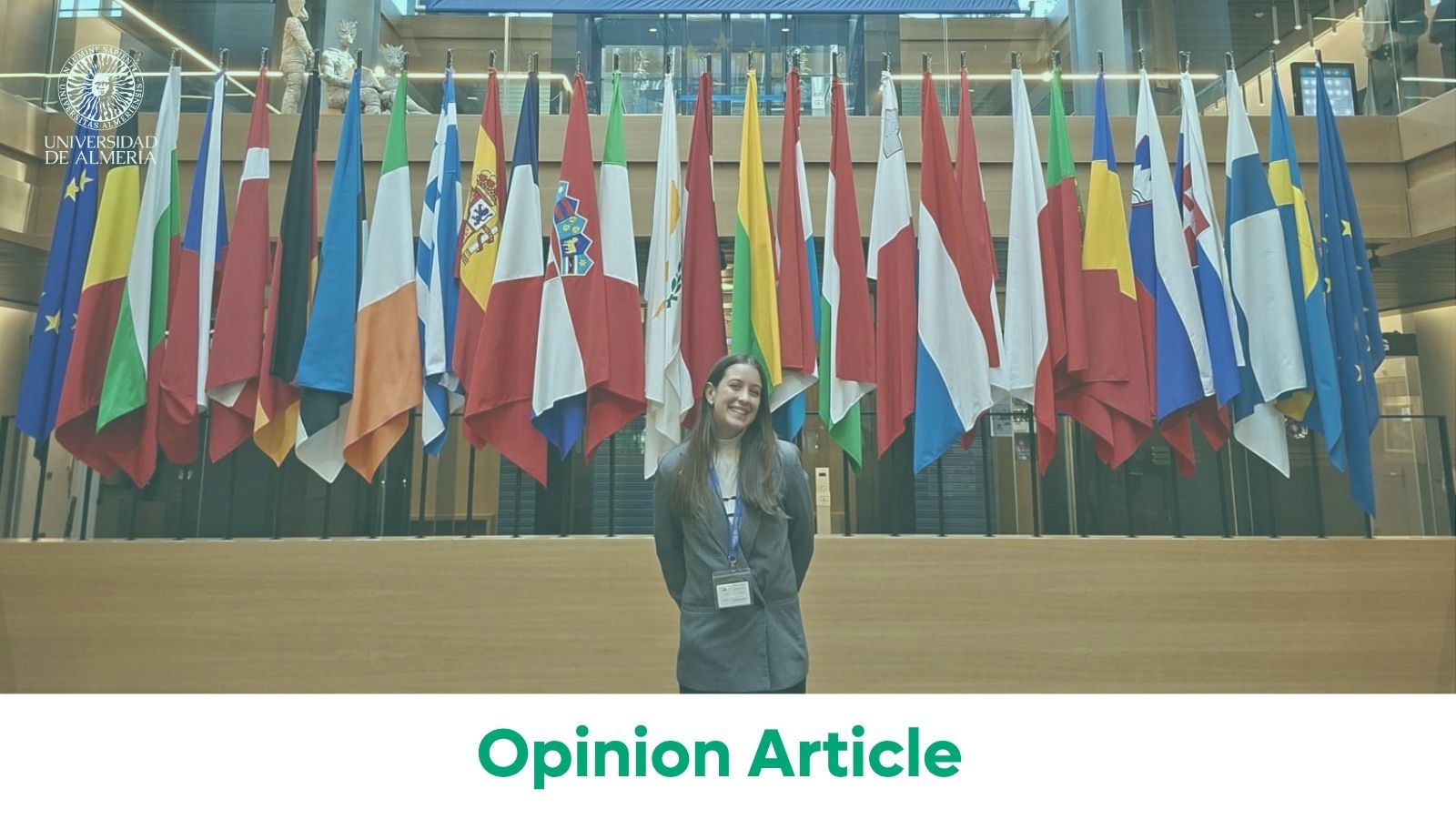
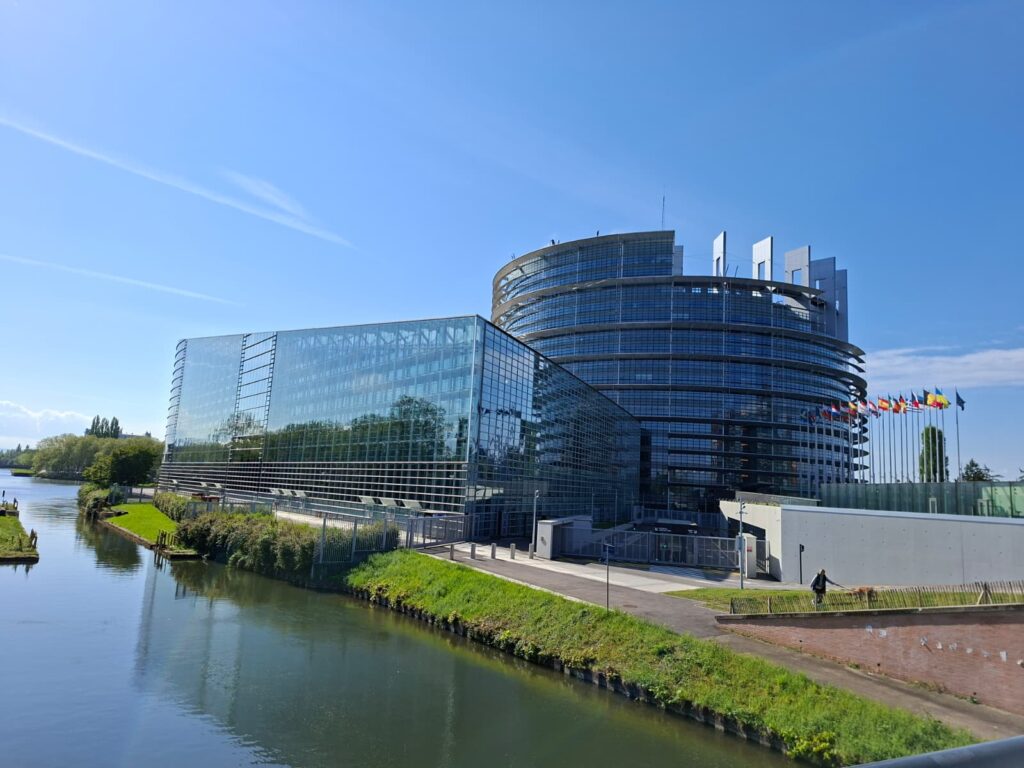
In April 2026, I travelled to Strasbourg as one of 250 students selected from over 3,000 applicants across 34 countries to participate in the fifth edition of the European Student Assembly, held at the European Parliament. Organised under the EUC VOICES Erasmus+ project, the Assembly brought together students from 196 universities and 54 European university alliances, including UNIgreen, to debate, draft, and vote on real policy proposals addressed to EU institutions.
Starting from Zero: Learning the Language of Europe
Before Strasbourg, there were months of preparation. Every participant was assigned to one of eight thematic panels and began working online with students from across Europe, guided by panel coordinators and external experts. We started from scratch: learning how European institutions are structured, how a policy is written, what makes an argument legally grounded versus just well-intentioned.
I was chosen to facilitate Panel 3: Aligning Budget with Impact. This particular panel focused on how the EU’s funding frameworks can better respond to social and demographic change. As a Biotechnology student, this felt like unfamiliar territory. But that dissorientation turned out to be exactly the point. Over weeks of online sessions, I found myself working alongside economists, lawyers, political scientists, and engineers. We had to find common ground, challenge each other’s assumptions, and translate very different academic languages into shared proposals.

The process of learning to think together across disciplines is something UNIgreen has always championed. Furthermore, ESA26 has put it to the test in the most concrete way possible.
When the Work stopped being Abstract
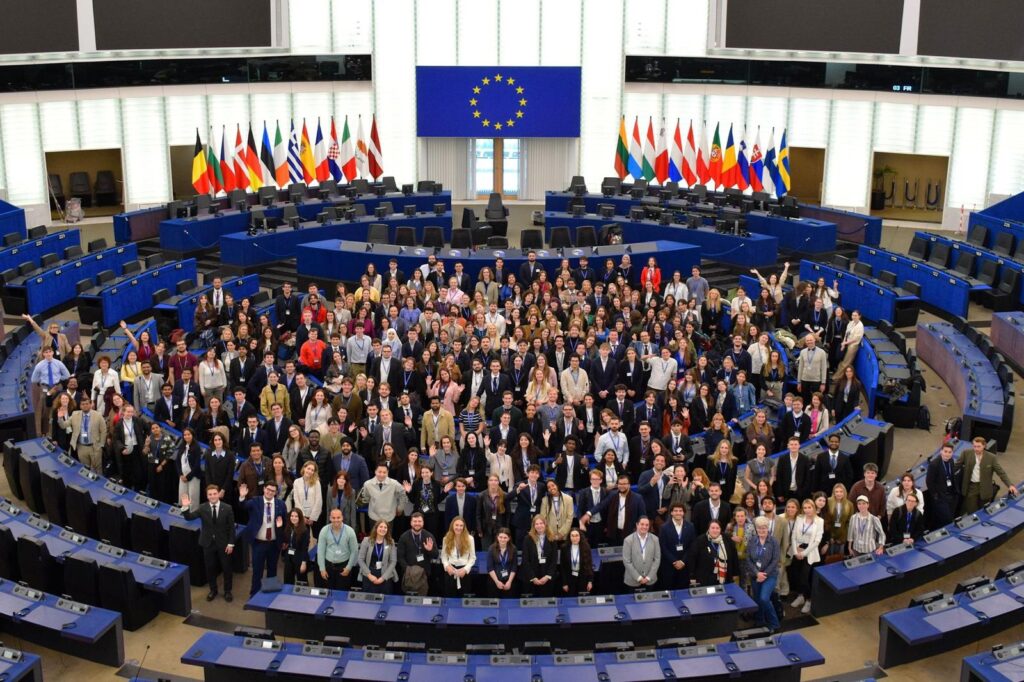
When we finally arrived at the European Parliament, the energy was unlike anything I had experienced. Over those three days, panels presented their recommendations to the full Assembly of 250 students, received feedback, responded to challenges from other panels, and refined their proposals in real time. Every recommendation was then put to a vote.
Watching proposals our panel had worked on for months, including one on rebuilding European research capacity, passed with flying colours, with over 80% of votes in favour. Being in the chamber, surrounded by students from 54 nationalities and every level of study from Bachelor to PhD, was a genuinely moving experience. Not because of the setting, but because of what this opportunity represented: that when young people are given real structure, real preparation, and then the results speak for themselves.
The diversity of backgrounds in the room was organic. A proposal on agroecological transitions was sharpened by students from agricultural science, law, and economics working together. A panel on digital literacy produced better recommendations because it included students who had never studied technology. Different perspectives were not a complication; that was the primary objective.
Student Voices, European Impact
Across all eight panels, certain themes emerged consistently from students representing the breadth of the European university system:
- Structural participation, not symbolic consultation. Students repeatedly demanded formal, embedded roles in institutional governance. This is precisely the model UNIgreen has been building through its student ambassador programme and governance structures.
- Interdisciplinarity as the only viable response to complex challenges. Panel 6 on education articulated what many of us felt throughout the process: the problems ahead, climate change, demographic shifts, digital transformation, cannot be solved from within a single discipline. Cross-sectoral, challenge-based learning is no longer aspirational. It is a real need for all.
- Sustainability must be visible, consistent, and measurable. Whether the topic was circular economy, agricultural subsidies, or digital infrastructure, students asked for it to be funded, tracked, and embedded across all areas of institutional life.
The 84 adopted recommendations are now in their dissemination phase, being shared with decision-makers, stakeholders, and institutions at local, national, and European level. The ambition is that they inform political responses, that the concerns, priorities, and ideas of 250 carefully selected students from across Europe find their way into the conversations that shape EU policy.
Bringing Change Back Home
Participating in ESA26 reinforced something I first started to understand through UNIgreen: the most meaningful learning happens at the intersection of disciplines, institutions, and cultures. The Alliance has created the conditions that made this opportunity possible.
If there is one thing I would want other UNIgreen students to take from this: ESA26 is not reserved for students who already know how European policy works. I personally did not. It is for students who are willing to learn it and learn it alongside people who think differently from them.
The full policy recommendations from ESA26 are available at EUCvoices website. Applications for future editions open annually, and UNIgreen’s continued support for student participation in these spaces is one of the most concrete expressions of what the Alliance stands for.
Members of panel 3 (Aligning budget with impact) at the European Parliament chamber
About the Author
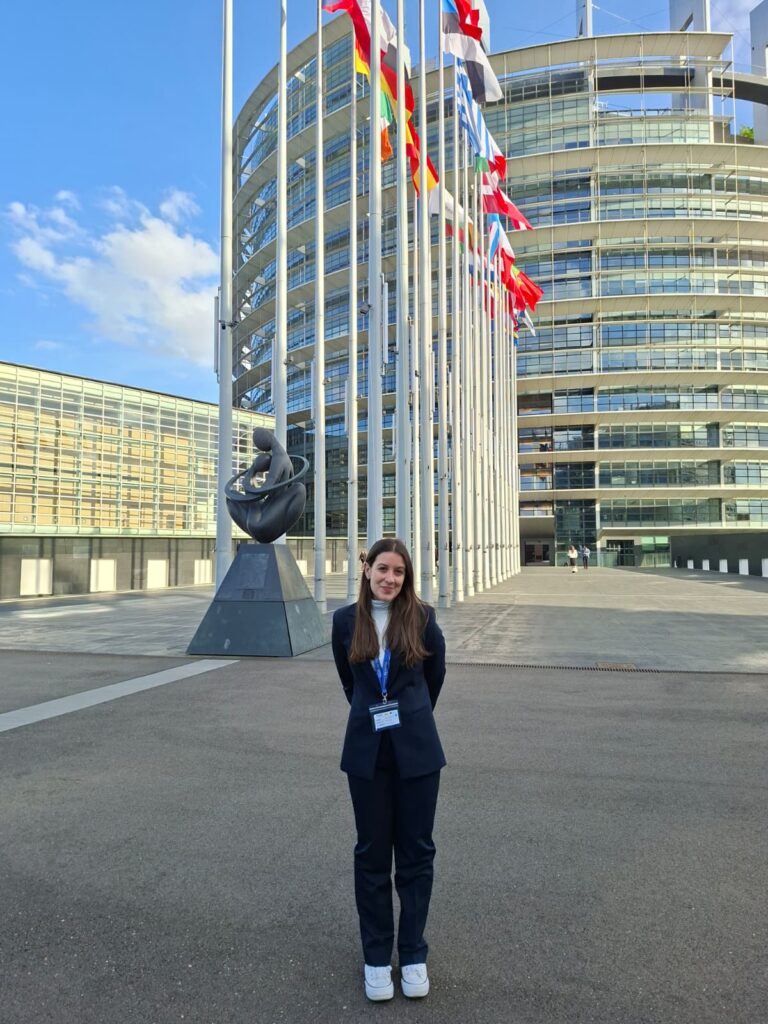
This article was written by Gema Vega, a Biotechnology student at the University of Almería, Spain
She is interested in the practical applications of science, particularly in sustainability and environmental challenges, and in how research knowledge can be translated into real-world solutions. She has gained experience in interdisciplinary teamwork and international academic environments through her participation in various international programmes.