Article written by Anastasia Butovska.
I attended the European Students’ Assembly 2026 (ESA26) at the European Parliament in Strasbourg as a representative of the UNIgreen Alliance. This position offered a slightly different perspective, less centred on direct participation in the student panels, and more focused on understanding how initiatives like ESA are supported, shaped, and sustained within European University Alliances.
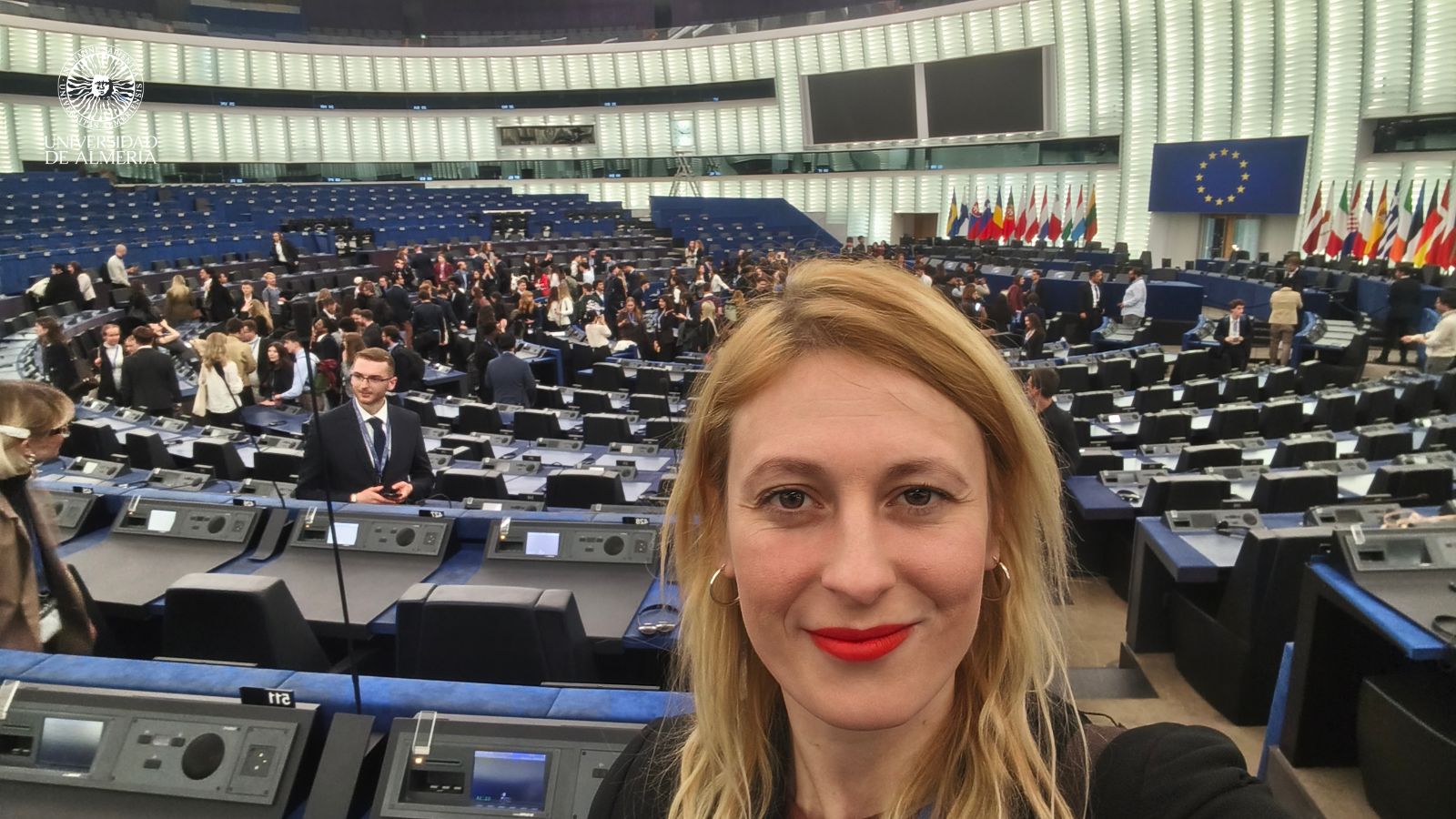
From the moment of arrival, the setting itself set a particular tone. The European Parliament is not a neutral space; it carries institutional weight, and this inevitably influences how discussions unfold. ESA 26 did not feel like a purely academic exercise; it felt connected to something larger, a space where student engagement and European policymaking briefly intersect.
Throughout the event, it became clear that ESA operates on multiple levels. While students concentrated on building policy recommendations, the alliances’ activities invited a different kind of reflection, on how this level of engagement is created and sustained.
The range of topics discussed at ESA26 highlighted the many challenges currently shaping the European Union. Student panels addressed issues such as strengthening democracy and civic engagement, advancing the circular economy, aligning the EU budget with social and environmental goals, and promoting inclusive public transport. Discussions also explored digital skills and cybersecurity, interdisciplinary education, generational balance, and Europe’s strategic autonomy and trade values.
Seeing all these topics discussed within one process made it clear that student perspectives are not limited to single issues but are relevant across many European priorities.
At the Alliance level, conversations focused less on these themes themselves and more on the conditions for participation. How do we ensure that engagement is meaningful rather than symbolic? How can alliances like UNIgreen create structures that are inclusive but still functional? And how can student contributions move beyond discussion and into actual implementation?
Some of the most valuable insights emerged outside the formal sessions, such as during the Village of Alliances, in informal conversations, or while preparing shared spaces. These exchanges often revealed the realities behind institutional frameworks: what works well, where challenges persist, and how different alliances are navigating similar questions in their own contexts.
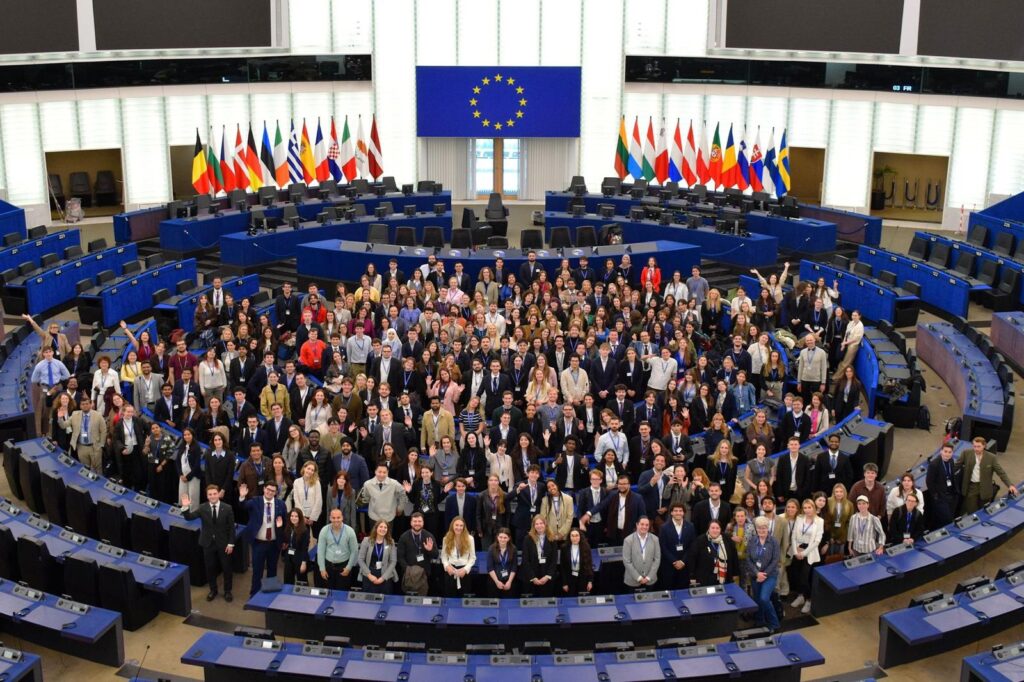
Observing the students during the plenary sessions added another important dimension. By that stage, their work had clearly matured through months of collaboration. The presentations, debates, and voting process demonstrated not only strong preparation but also a genuine commitment to the topics at hand. It was a reminder that, when given the right structure, student engagement can be both rigorous and impactful.
By the end of the event, I was left with fewer concrete answers and more with a clearer understanding of the complexity of student engagement within alliances. For UNIgreen, this means continuing to develop participation as an active, evolving process, one that goes beyond representation and becomes an integral part of how the alliance functions.
ESA26 ultimately served not only as an event, but as a space for reflection on how European cooperation in higher education is evolving, and on the role alliances can play in making that cooperation more inclusive, participatory, and meaningful.